
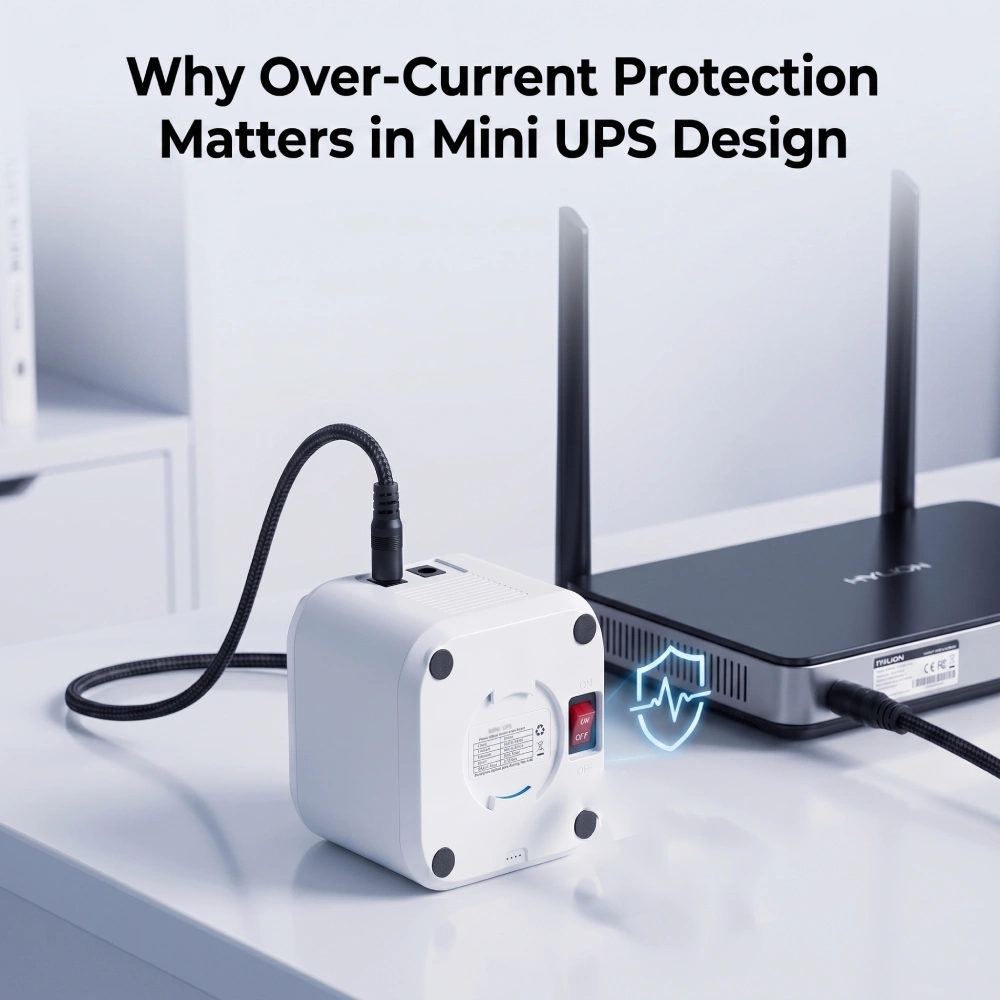
Ein hoher Ausgangsstrom gilt zwar oft als wünschenswertes Merkmal einer Mini-USV, ist aber nicht das alleinige Kriterium für ein gut konzipiertes Produkt. Für Telekommunikations-, ISP- und industrielle Netzwerkanwendungen ist der Überstromschutz (OCP) unerlässlich. Diese Geräte können monatelang im Dauerbetrieb laufen und dabei anormalen Lasten, fehlerhafter Verdrahtung oder Testbedingungen ausgesetzt sein, die über den normalen Betrieb hinausgehen. Ohne einen adäquaten OCP sind sowohl die Mini-USV und die angeschlossenen Geräte sind gefährdet.
Was leistet der Überstromschutz?
- Begrenzungen übermäßiger Stromstärket– OCP begrenzt den Stromfluss, wenn die Last den sicheren Auslegungsbereich überschreitet.
- Schützt mehrere Komponenten– Es schützt die Mini-USV, angeschlossene Geräte (z. B. Router, ONTs), den internen Akku und umliegende Systeme vor thermischer und elektrischer Belastung.
- Ausgewogene Balance zwischen Benutzerfreundlichkeit und Sicherheit– Ein gut abgestimmtes Schutzdesign darf bei normaler Spitzenlast (z. B. beim Hochfahren des Routers oder bei Wi-Fi-Übertragungsspitzen) nicht auslösen, muss aber bei echten Fehlerbedingungen schnell und vorhersehbar reagieren.
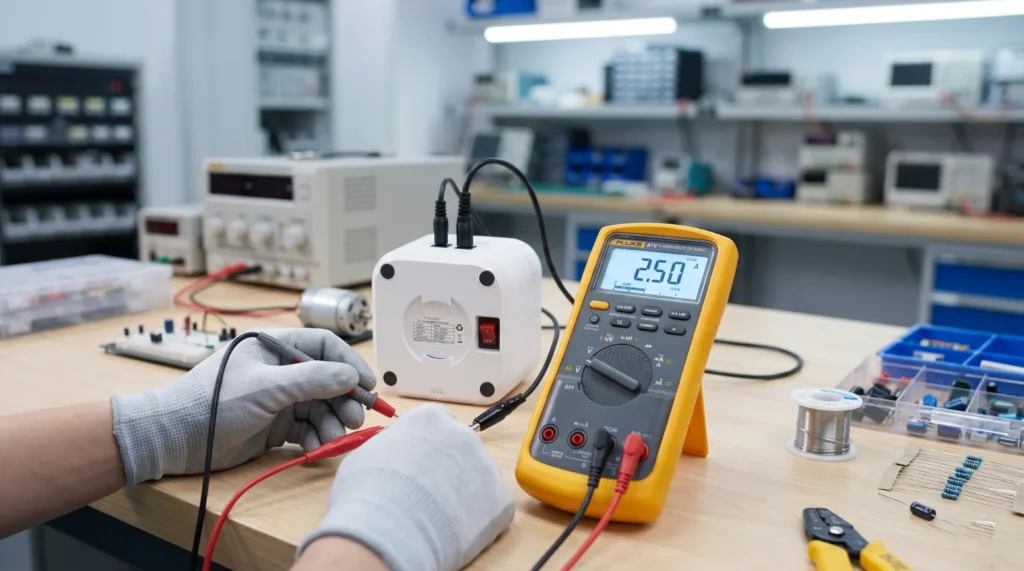
Warum ein hoher Strom allein nicht ausreicht
Eine Mini-USV, die hohe Ströme liefern kann, kann dennoch gefährlich sein, wenn ihre Schutzschwellenwerte unzureichend eingestellt sind. Im B2B-Bereich legen Käufer mehr Wert auf ein vorhersehbares und reproduzierbares Verhalten als auf einen einzelnen, beeindruckenden Ausgangswert.
Das Produkt sollte für seinen vorgesehenen Anwendungsbereich – die Absicherung eines ONT- oder CPE-Geräts – ausgelegt sein und nicht für unkontrollierte Spitzenlasten, die nachgeschaltete Elektronik beschädigen oder Brandgefahren verursachen könnten.
Wichtige Parameter, die Käufer prüfen sollten
Die folgende Tabelle fasst die wichtigsten schutzbezogenen Spezifikationen zusammen, die vor der Genehmigung einer Mini-USV für den Einsatz in einem Telekommunikations- oder ISP-System überprüft werden müssen.
Parameter | Was zu überprüfen ist |
Nenndauerstrom | Maximaler Strom, den die USV bei Nenntemperatur dauerhaft liefern kann. |
Spitzenstrom und Dauer | Kurzzeitige Strombegrenzung (z. B. 2× Nennstrom für <1 Sekunde). |
Überstromschutzschwelle | Aktueller Wert, bei dem OCP aktiviert wird (z. B. 120% des Nennwerts). |
Kurzschlussschutz | Sofortige Abschaltung oder Stromrückführung bei Kurzschluss am Ausgang. |
Wiederherstellungsmodus | Automatischer Wiederholungsversuch, Abschaltung oder manueller Reset nach einem Fehler. |
Thermisches Verhalten unter hoher Last | Wie die Temperatur die Strombegrenzung beeinflusst (Derating-Kurve). |
Produktionskonsistenz | Werden die Serienprodukte auf die gleichen OCP-Grenzwerte geprüft wie die Vorserienmuster? |
Ausgewogene Auslegung für ISP-Projekte
Bei einer Mini-USV, die mit Routern, ONTs oder CPE-Geräten verwendet wird, muss die Konstruktion einen stabilen Betrieb bei normaler Last (z. B. 12 V/1 A Dauerstrom) gewährleisten und gleichzeitig eine klare Sicherheitsgrenze für anormale Zustände (z. B. ein kurzgeschlossenes Kabel oder ein angeschlossenes Gerät, das 5 A zieht) definieren.
Bei groß angelegten Implementierungsprojekten muss der endgültige Schutzschwellenwert definiert, anhand realer Lastprofile validiert und vor der Massenproduktion festgelegt werden.
MYLION Mini-USV-Lösungen Sie sind mit präzise kalibrierten OCP-Schwellenwerten ausgestattet, die den realen Telekommunikationslasten entsprechen.
- Jedes MYLION-Gerät wird vor dem Versand einer thermischen Überprüfung und einem Kurzschlusstest unterzogen.
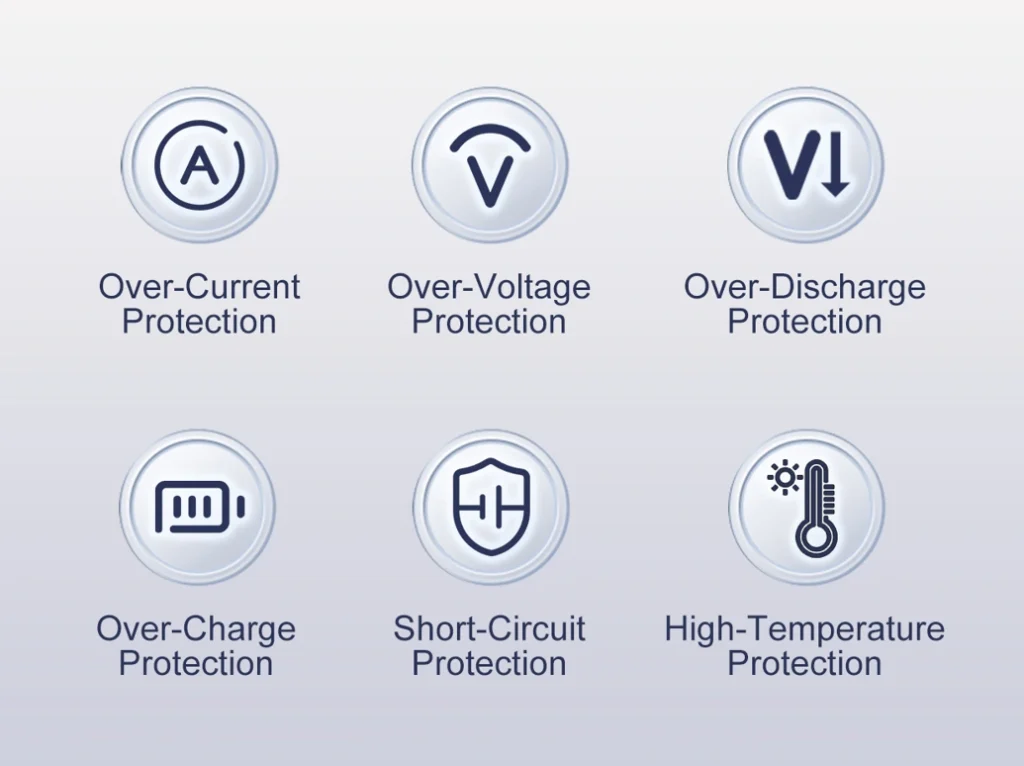
- Unsere Mini-USV-Produkte verfügen über einen Tiefentladeschutz, einen Überhitzungsschutz und weitere Funktionen. Dies gewährleistet einen sicheren und stabilen Betrieb auch unter anormalen Lasten oder bei Netzstörungen.
- Wir stellen Produktionsinspektionsberichte zur Verfügung, um zu gewährleisten, dass sich die in Serie gefertigten Einheiten identisch zu den freigegebenen Mustern verhalten. Dadurch werden Sicherheitsüberraschungen in letzter Minute vermieden und Käufern geholfen, Verzögerungen bei der Auslieferung zu verhindern.
Häufig gestellte Fragen
Frage 1: Ist ein höherer Ausgangsstrom immer besser?
Frage 2: Warum haben zwei Router mit der gleichen Adapterleistung unterschiedliche Backup-Zeiten?
Frage 3: Sollten Käufer eine Sicherheitsmarge einplanen?
Frage 4: Wie beeinflusst die Temperatur die Backup-Zeit?
Wie MYLION B2B-Käufer unterstützt
MYLION ist spezialisiert auf B2B-Mini-DC-USV- und Lithium-Batterie-Backup-Lösungen für Telekommunikations-, ISP- und Industrieanwendungen. Wir unterstützen unsere Kunden bei:
- Produktauswahl basierend auf Spannung, Betriebsstrom und Überbrückungszeit.
- Probenvalidierung einschließlich Schutz- und Belastungstests.
- Kundenspezifische Kabelkonfektionen, Etiketten und Verpackungsanforderungen
- Erstellung von Zertifizierungsdokumenten (CE, FCC, RoHS, UN38.3 usw.).
- Produktionsprüfung und Versanddokumentation.
Benötigen Sie eine Mini-USV oder eine Lithium-Batterie-Backup-Lösung für ONT, ONU, Router, CPE oder Telekommunikationsgeräte? Kontaktieren Sie MYLION!
Hinweis zur Einhaltung der Vorschriften
Die Zertifizierungsanforderungen hängen von der Produktkonfiguration, dem Zielmarkt, dem Netzteil, der Akkukapazität und der endgültigen Anwendung ab. Käufer sollten die geltenden Anforderungen vor der Serienproduktion prüfen.
 Deutsch
  English
  简体中文
简体中文  Français
  Italiano
  Español