
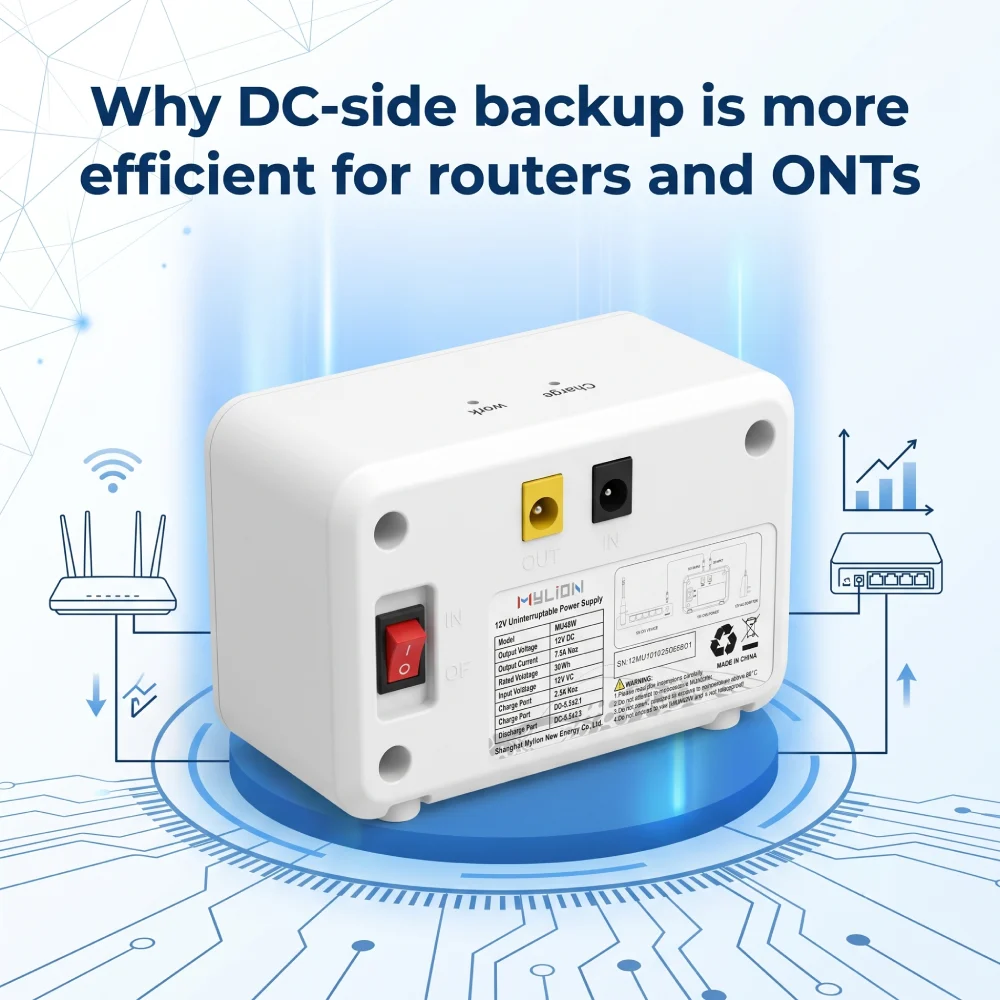
Da sich die Internetanbindung von einer praktischen Annehmlichkeit zu einer kritischen Infrastruktur entwickelt, hat die Netzwerkstabilität für Unternehmen, Internetdienstanbieter und Remote-Mitarbeiter höchste Priorität. Die Standardlösung für die Notstromversorgung war traditionell eine USV (Unterbrechungsfreie Stromversorgung) mit Wechselstromausgang. Während Wechselstrom-USV-Systeme hervorragend für leistungsstarke Unternehmensserver und ältere Hardware geeignet sind, arbeiten sie äußerst ineffizient mit modernen, stromsparenden Netzwerkgeräten wie WLAN-Routern und ONTs.
Hier ist Gleichstrom Backup-Lösungen Treten Sie ein. DC-USV für Router und ONTs Dadurch werden unnötige Stromumwandlungen vermieden, die Backup-Laufzeit drastisch verlängert, die Wärmeentwicklung reduziert und die Gesamtkosten der Bereitstellung gesenkt. In diesem Artikel gehen wir der Frage nach, warum ein Backup auf DC-Seite für Router und ONTs effizienter ist.
Der Energieumwandlungsverlust: Warum AC-USV-Anlagen Strom verschwenden
Das Drei-Umwandlungsproblem
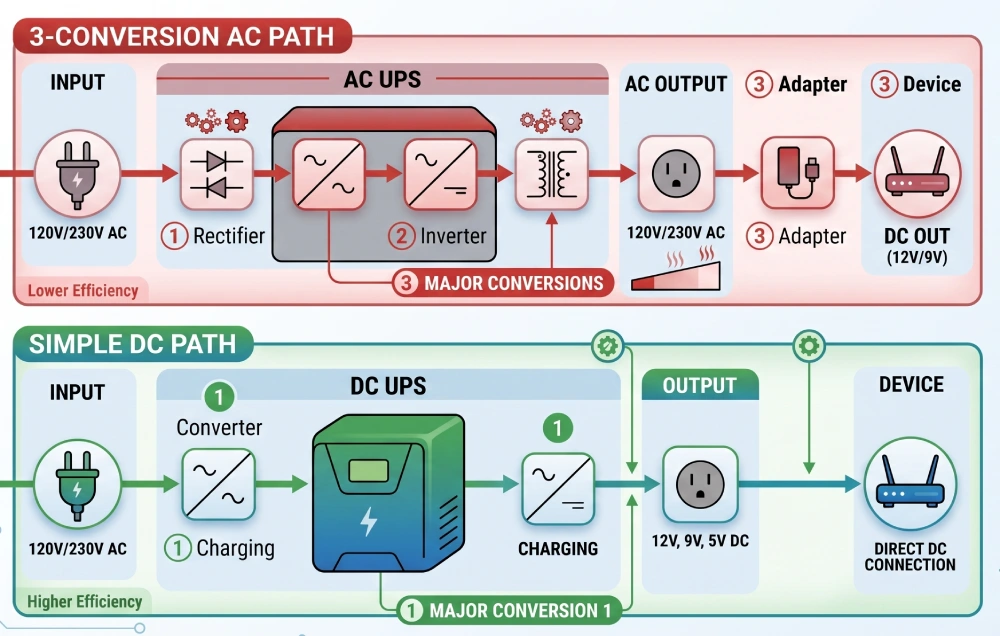
Um zu verstehen, warum eine DC-seitige Notstromversorgung effizienter ist, muss man den Energiefluss verfolgen. Wenn ein herkömmlicher AC-USV einen Breitbandrouter mit Strom versorgt, passiert Folgendes:
- Wechselstrom → GleichstromDie USV wandelt Netzwechselstrom in Gleichstrom um, um ihre interne Batterie zu laden.
- Gleichstrom → WechselstromBei einem Stromausfall wandelt die USV den Gleichstrom der Batterie wieder in Wechselstrom um.
- Wechselstrom → GleichstromDas externe Netzteil des Routers wandelt Wechselstrom wieder in Gleichstrom für das Gerät um.
Dies ist die DoppelkonversionsstrafeDie Energie wird zweimal umgewandelt, bevor sie das Gerät erreicht. Jede Umwandlungsstufe verursacht Verluste. Bei Telekommunikationslasten mit geringer Leistung arbeiten herkömmliche AC-USV-Anlagen typischerweise nur mit einer Leistung von … 70–85% Effizienz.
Der Vorteil der DC Mini-USV
Eine DC-Mini-USV verfolgt einen radikal einfacheren Ansatz:
- Wechselstrom → GleichstromDie USV wandelt den Netzwechselstrom in Gleichstrom um, um die Batterie zu laden.
- DC → DCBei einem Stromausfall liefert die Batterie Gleichstrom direkt an das Gerät.
Diese vereinfachte AC/DC-Pipeline eliminiert den Doppelwandlungsprozess und gewährleistet so, dass jedes Watt gespeicherter Batteriekapazität direkt an die Netzwerkhardware geliefert wird, ohne durch unnötige elektrische Umwandlungen verschwendet zu werden.
Warum Router und ONTs DC-Geräte sind
Einheimische DC-Architektur
Moderne Breitbandgeräte sind aus einem einfachen Grund für den Betrieb mit Gleichstrom ausgelegt: Alle elektronischen Komponenten im Inneren – Prozessoren, Speicherchips, Funkmodule und optische Transceiver – arbeiten mit Niederspannungs-Gleichstrom. Typische Anforderungen sind:
- Router: 12 V Gleichstrom, 0,5 A–2 A (6 W–24 W)
- ONTs/ONUs: 12 V Gleichstrom, typischerweise 5 W–12 W
- Modems: 9 V oder 12 V Gleichstrom
- Kleine Schalter:12 V oder 24 V Gleichstrom
Das externe Netzteil, das jedem Router und ONT beiliegt, ist nichts anderes als ein Wechselstrom-Gleichstrom-Wandler. Schließt man einen Router an eine USV an, verwendet man effektiv zwei Netzteile in Reihe – den Wechselrichter der USV und das Netzteil des Geräts –, wodurch beide Verluste verursachen.
Die Vorteile von DC-Mini-USV-Anlagen zur Router- und ONT-Notstromversorgung
Über die Energieeffizienz hinaus, die Umsetzung eines DC Mini-USV bietet eine Vielzahl von betrieblichen und physikalischen Vorteilen, die speziell auf moderne Breitbandnetze zugeschnitten sind.
Null Transferzeit
Bei einem Stromausfall zählt jede Millisekunde. Herkömmliche USV-Systeme (Unterbrechungsfreie Stromversorgung) haben typischerweise Umschaltzeiten im Millisekundenbereich – genug, um kurze Unterbrechungen zu verursachen, die empfindliche Netzwerkgeräte zurücksetzen können.
Die DC Mini-USV-Lösungen von MylionDie Umschaltung erfolgt verzögerungsfrei (0 ms). Der Übergang vom Netzbetrieb zum Akkubetrieb ist nahtlos und sofort möglich. Der Router ist vor Spannungseinbrüchen geschützt und gewährleistet so einen unterbrechungsfreien Breitbandanschluss.
Reduzierter ökologischer Fußabdruck
Standardmäßige USV-Anlagen sind sperrig, schwer und benötigen viel Platz auf dem Boden oder Schreibtisch. Außerdem muss das originale, sperrige Netzteil des Routers an das USV-Gehäuse angeschlossen werden.
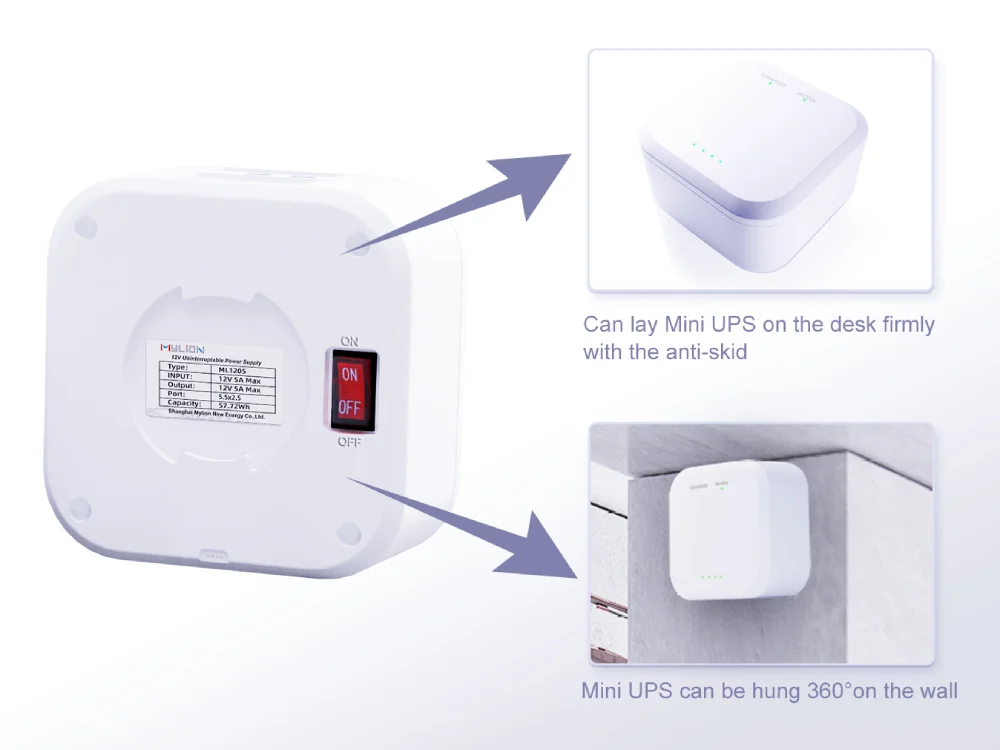
Eine DC-seitige Notstromversorgung ist deutlich kleiner. Geräte wie Mini-USV-Systeme sind oft nicht größer als eine handelsübliche Powerbank. Sie lassen sich direkt an der Wand montieren, in kleinen Gehäusen für strukturierte Verkabelung neben dem ONT unterbringen oder unauffällig auf einem Schreibtisch platzieren.
Längere Lebensdauer der Hardware
Da DC-seitige Backups weniger Wärme erzeugen, bleibt die Umgebungstemperatur um die Netzwerkgeräte niedriger. Hitze ist der größte Feind elektrischer Bauteile; eine kühlere Betriebsumgebung trägt direkt zur Langlebigkeit des Routers, des ONT und des Backup-Akkus selbst bei.
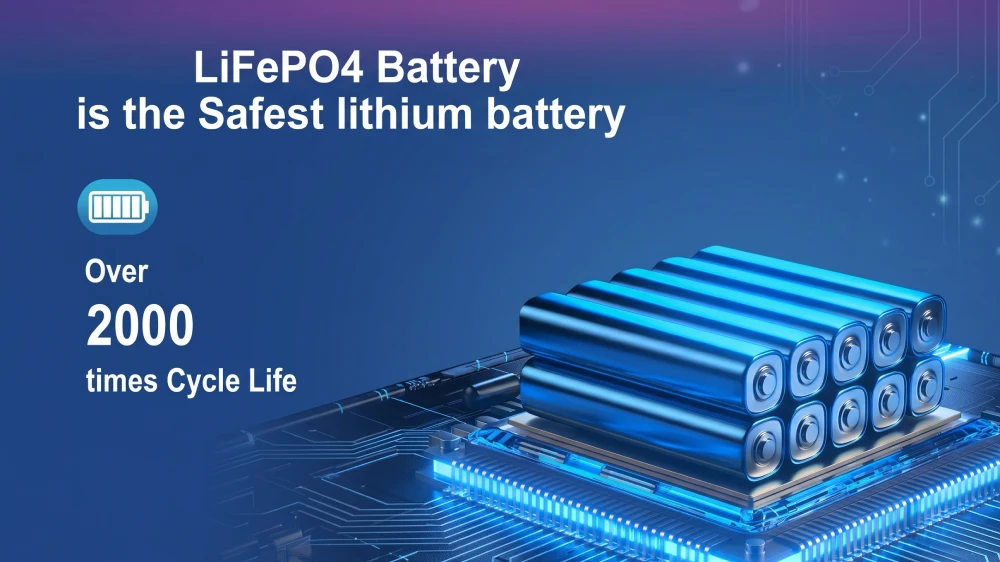
Darüber hinaus nutzen Premium-DC-USV-Systeme fortschrittliche Lithium-Ionen- oder LiFePO4 Batterien, die eine deutlich längere Lebensdauer bieten als die schweren SLA-Batterien (versiegelte Blei-Säure-Batterien), die in herkömmlichen Klimaanlagen verwendet werden.
Gesamtbetriebskosten: Die wirtschaftliche Begründung für DC-seitige Datensicherung
Geringere Hardwarekosten
DC-Mini-USV-Anlagen sind grundsätzlich einfacher aufgebaut als ihre AC-Pendants. Sie benötigen:
- Keine schweren Wechselrichterkomponenten
- Keine sperrigen Transformatoren
- Kleinere, leichtere Gehäuse
- Geringerer Kühlbedarf
Das Ergebnis ist ein niedrigere Materialkosten Das bedeutet günstigere Preise bei Großeinkäufen. Für Internetanbieter, die Notstromversorgung an Tausenden von Kundenstandorten einsetzen, summieren sich diese Einsparungen pro Einheit schnell.
Reduzierte Kosten für den Batteriewechsel
Die Batterietechnologie ist genauso wichtig wie die Wandlerarchitektur. Viele herkömmliche AC-USV-Systeme verwenden immer noch Blei-Säure-Batterien, welche:
- Erfordern alle 3–5 Jahre einen Austausch.
- Haben eine begrenzte Lebensdauer (300–500 Zyklen).
- Sie funktionieren in Umgebungen mit hohen Temperaturen schlecht.
- Sie sind schwer und schwierig zu versenden.
Moderne DC-Mini-USV-Lösungen verwenden zunehmend LiFePO₄- (Lithium-Eisenphosphat-) oder Lithium-Ionen-Batterien und bieten Folgendes:
- Lebensdauer von über 2000 Ladezyklen – 4- bis 6-mal länger als Bleiakkumulatoren
- Höhere thermische Stabilität und geringeres Ausfallrisiko
- Leichte, kompakte Bauformen
- Schnelleres Laden und tieferes Entladen
Die Produktpalette von Mylion umfasst Modelle mit LiFePO₄-Batterie Optionen, die eine verlängerte Betriebsdauer und niedrigere Gesamtbetriebskosten über die gesamte Einsatzdauer ermöglichen.
Niedrigere Energiekosten
Während die Leistungsaufnahme einzelner Router und ONTs gering ist – typischerweise 5 bis 15 Watt –, ist der Gesamtenergieverbrauch der Abonnenten eines Internetanbieters beträchtlich. Der Effizienzunterschied zwischen AC-USV und DC-Mini-USV bedeutet:
- 15–25% weniger Energieverbrauch aus dem Raster für die gleiche Backup-Laufzeit
- Reduzierter Standby-Stromverbrauch im Normalbetrieb
- Geringerer CO2-Fußabdruck im gesamten Netzwerk
Da die Vorschriften zur Energieeffizienz von Breitbandgeräten immer strenger werden – der EU-Verhaltenskodex für Breitbandgeräte und ähnliche Rahmenwerke setzen zunehmend strengere Verbrauchsgrenzen fest –, bieten DC-seitige Backup-Lösungen einen klaren Weg zur Einhaltung der Vorschriften.
Mylion Mini-USV: Optimale Effizienz für unterbrechungsfreie Konnektivität
Bei der Auswahl eines DC-USV für Router und ONTsSowohl B2B-Integratoren als auch Endnutzer benötigen Hardware, die zuverlässig, skalierbar und für den realen Einsatz von Breitbandlösungen konzipiert ist.
Mylion, ein globaler Hersteller mit über einem Jahrzehnt Erfahrung in fortschrittlichen Batterietechnologien, entwickelt Mini-USV-Lösungen, die speziell darauf ausgelegt sind, die Lücke zwischen Effizienz und kontinuierlicher Konnektivität zu schließen.
1. Strukturiert für reale Einsatzanforderungen
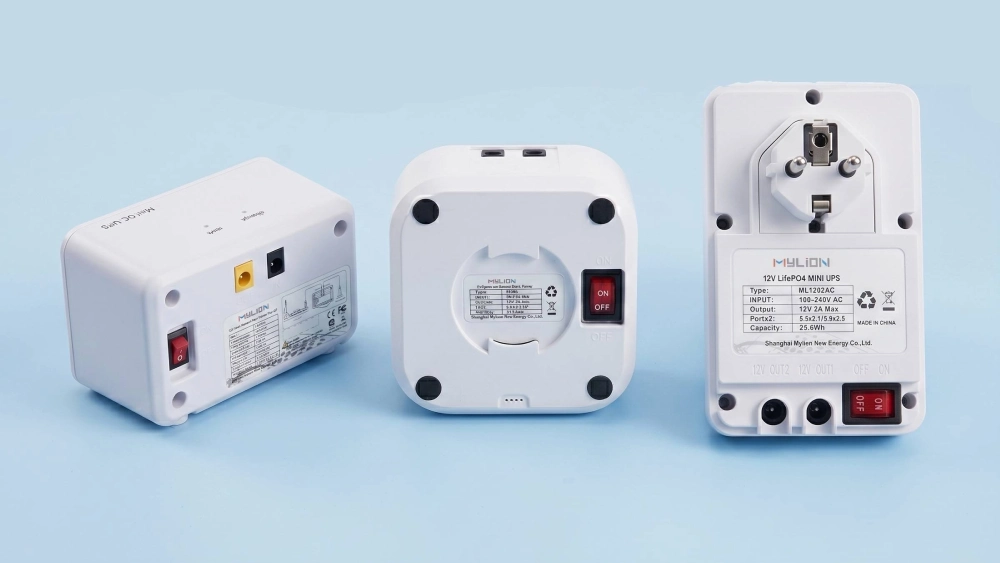
Im Gegensatz zu generischen Batterieanbietern organisiert Mylion seine Mini-USV-Produkt Die Produktlinie erfüllt die exakten technischen Spezifikationen von ISPs, Telekommunikationsbetreibern und Systemintegratoren. Das Mylion Mini-USV-Sortiment umfasst spezialisierte Modelle wie:
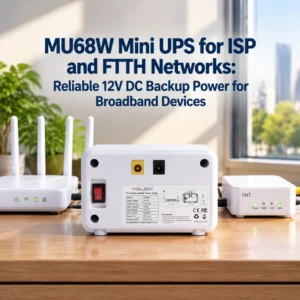
- MU68W Mini-USV(12V 3A): Konzipiert für leistungsstarke Wi-Fi-Router und ONTs, bietet es eine intelligente Konstantspannungsausgabe, um die Gerätestabilität auch bei sinkendem Batteriestand zu gewährleisten.
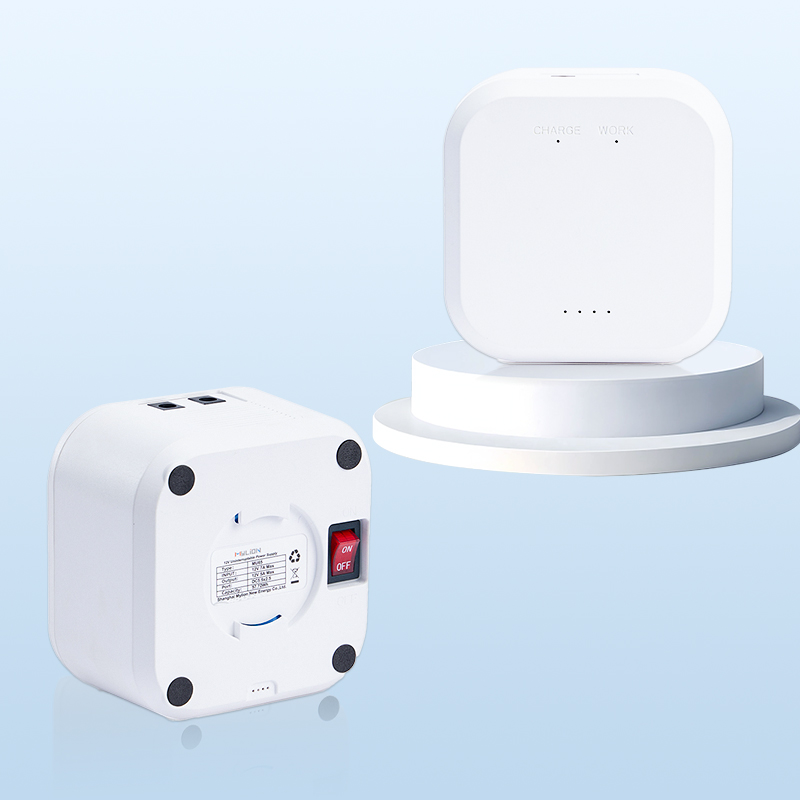
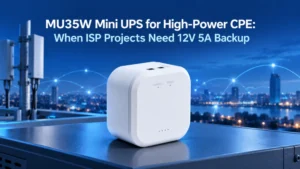
- MU35W Mini-USV (12V 5A):Konzipiert für Gateway-Geräte mit höherer Leistung und Setups mit mehreren Geräten.
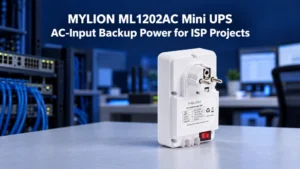
- Mini-USV ML1202AC(12V 2A): Eine LiFePO4-Mini-DC-USV mit zwei Ausgängen für ONT, Router, Modem und Breitband-CPE mit geringem Stromverbrauch
2. Hochleistungs-Lithium-Akku und intelligenter Schutz
Mylion verbaut in seinen Geräten hochwertige Lithium-Ionen- und LiFePO4-Akkus. Diese Akkus bieten eine außergewöhnliche Energiedichte und ermöglichen eine Betriebsdauer von bis zu 13 bis 14 Stunden mit einer einzigen Ladung (abhängig vom Stromverbrauch des Geräts und dem jeweiligen Mylion-Modell).
Darüber hinaus verfügen die Mylion Mini-USV-Geräte über intelligente IC-Steuerungssysteme. Diese integrierten Managementsysteme bieten umfassende Sicherheitsfunktionen, darunter Schutz vor Überladung, Tiefentladung, Überstrom, Kurzschluss und Überhitzung. Sie sind für maximale Sicherheit in privaten und gewerblichen Umgebungen in feuerfestem ABS-Kunststoffgehäuse untergebracht.
3. Der ideale Internet- und Telekommunikationspartner
Für Telekommunikationsanbieter, die Ausfallzeiten für ihre Kunden reduzieren und die Konnektivitätsvorschriften einhalten möchten, bietet Mylion sofort einsatzbereite Backup-Lösungen. Wir bieten OEM/ODM Support und individuelles Branding sind inklusive. Durch den Einsatz der Mini-USV-Produkte von Mylion können Systemintegratoren eine hocheffiziente, ästhetisch ansprechende und robuste Notstromlösung direkt beim Endkunden implementieren.

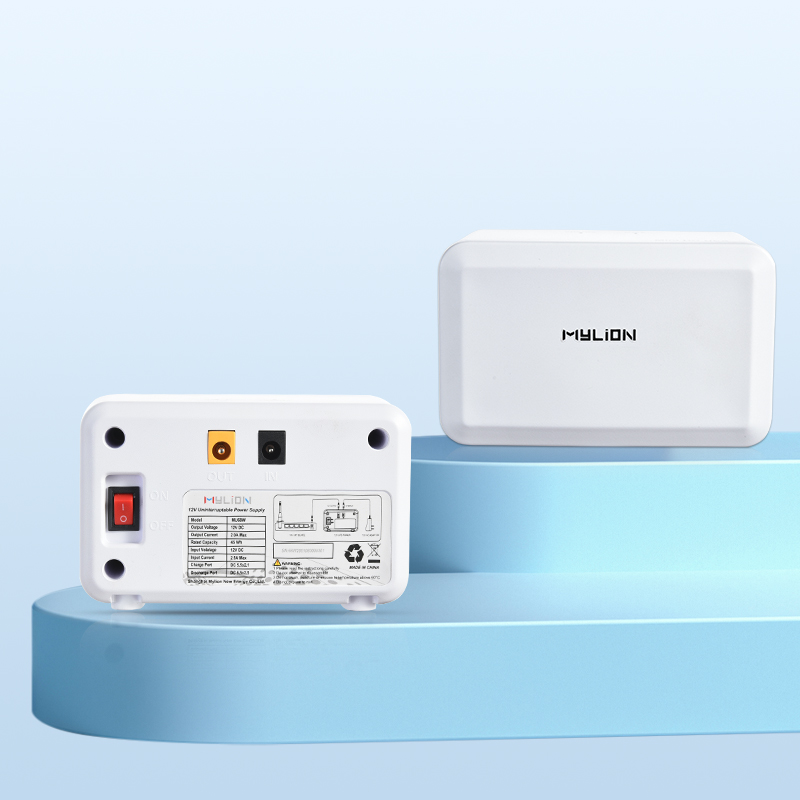
MU68 Mini-USV
MU48 Mini-USV
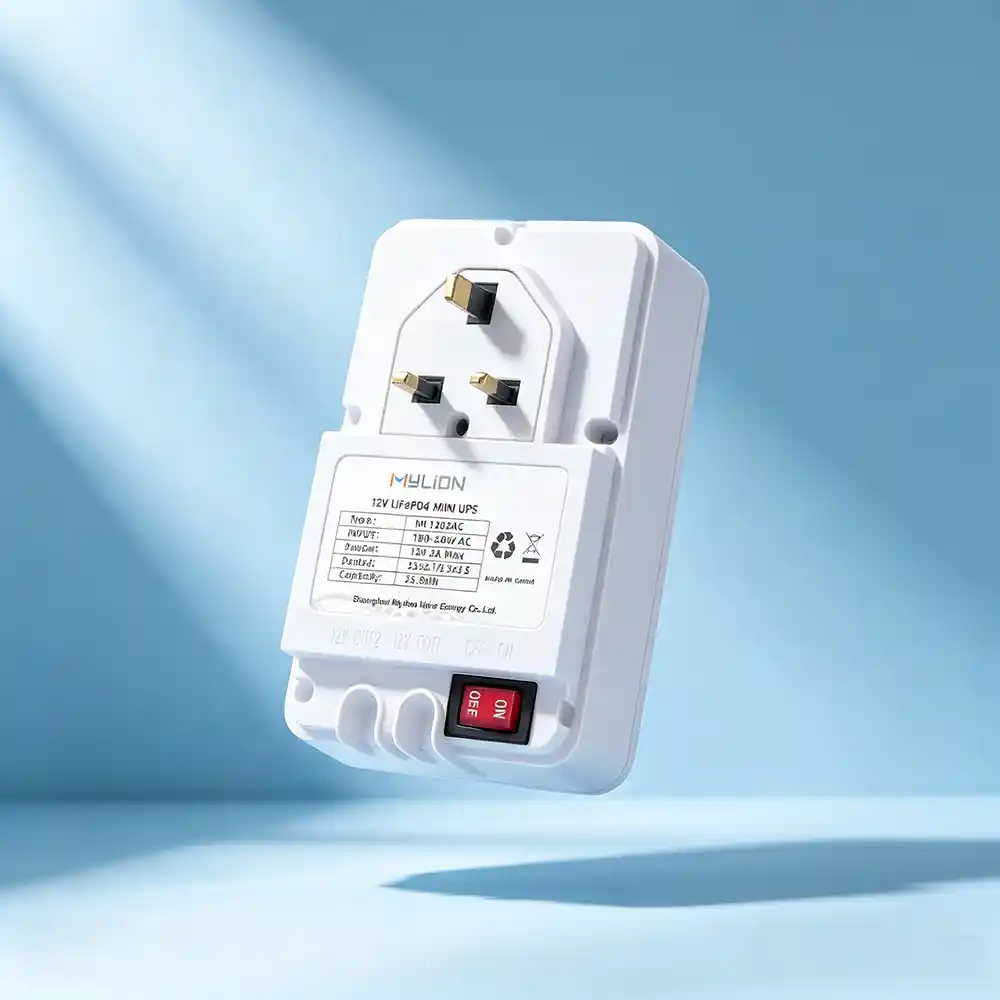
ML1202AC Mini-USV
MU35 Mini-USV
Häufig gestellte Fragen
Frage 1: Worin besteht der Unterschied zwischen einer DC-Mini-USV und einer herkömmlichen AC-USV?
Frage 2: Um wie viel effizienter ist eine DC-Mini-USV im Vergleich zu einer AC-USV?
Frage 3: Funktioniert eine DC Mini-USV mit meinem Router oder ONT?
Frage 4: Wie lange hält eine DC-Mini-USV meinen Router bei einem Stromausfall am Laufen?
Frage 5: Kann eine DC-Mini-USV im Dauerbetrieb rund um die Uhr eingesetzt werden?
Frage 6: Sind DC-Mini-USV-Lösungen für den Einsatz in ISP-Maßstab geeignet?
Abschluss
Der Trend hin zu Edge-Netzwerken und kontinuierlichem Breitbandzugang erfordert intelligentere Lösungen für die Notstromversorgung. Der Einsatz sperriger, ineffizienter USV-Systeme zur Stromversorgung leichter 12-V-Geräte ist eine überholte Strategie, die Energie verschwendet, übermäßige Wärme erzeugt und wertvollen Platz beansprucht.
Durch die Nutzung eines DC-USV für Router und ONTsSie eliminieren Stromwandlungsverluste, gewährleisten einen Ausfallschutz von null Millisekunden und verlängern die Laufzeit Ihrer kritischen Netzwerkinfrastruktur drastisch. Mit spezialisierter, hochwertiger Hardware wie der Mylion Mini-USVInternetdienstanbieter, Unternehmen und Remote-Mitarbeiter können sich so eine stabile, effiziente und dauerhafte Konnektivität gegen die wachsende Bedrohung durch Strominstabilität sichern.
 Deutsch
  English
  简体中文
简体中文  Français
  Italiano
  Español