
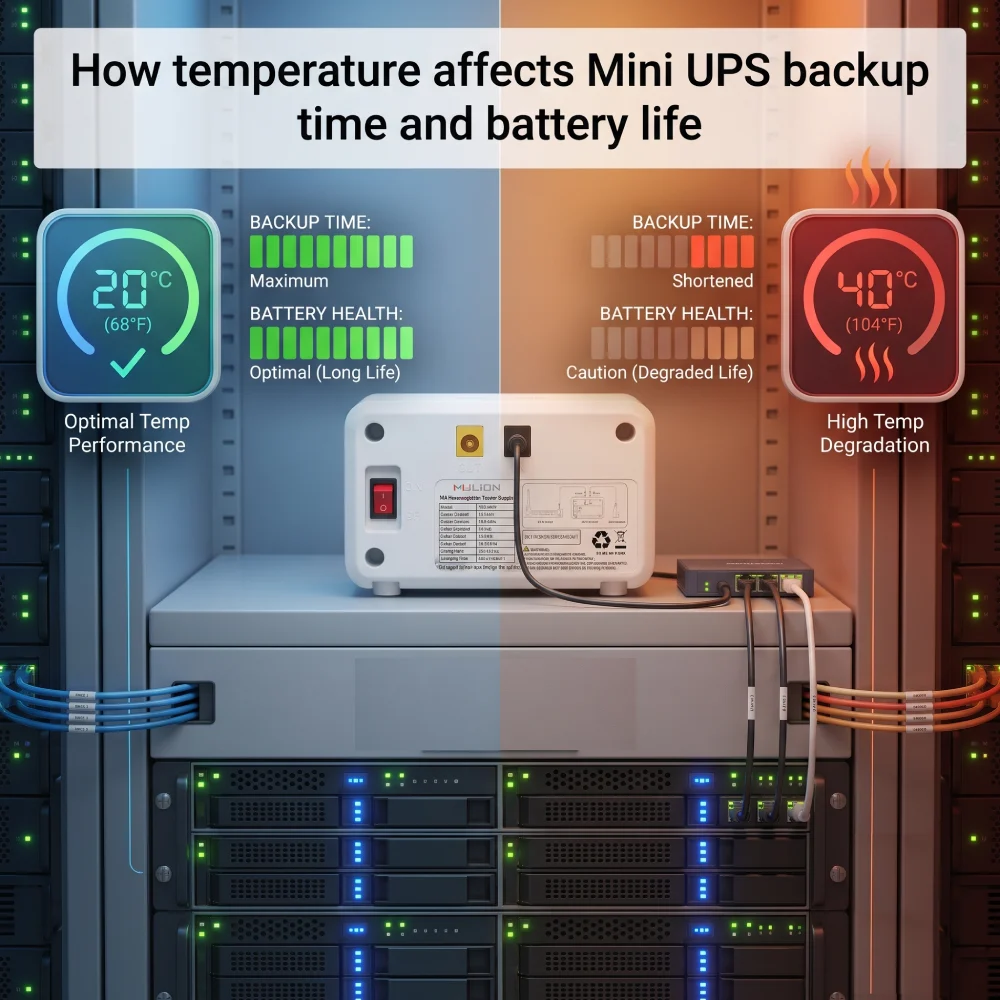
Die Temperatur ist einer der wichtigsten Umweltfaktoren, die beeinflussen Mini-USV Überbrückungszeit, Ladeeffizienz und Langzeitstabilität der Batterie spielen eine wichtige Rolle. Eine Mini-USV, die in einem klimatisierten Serverraum installiert ist, kann ganz andere Ergebnisse liefern als dasselbe Produkt in einem Außenschrank, einem Heimnetzwerkgehäuse oder einer industriellen Umgebung mit starken Temperaturschwankungen.
Das Verständnis der Temperatureinflüsse hilft Unternehmen bei der Auswahl der richtigen Mini-USV-Konfiguration, der Vermeidung unerwarteter Laufzeitreduzierungen und der Verbesserung der Zuverlässigkeit von Netzwerkkontinuitätslösungen.
Dieser Artikel untersucht die wissenschaftlichen Grundlagen des Temperatureinflusses auf die Leistung von Mini-USV-Anlagen, insbesondere im Hinblick auf Mylion Mini-USV-Produkteund bietet praktische Strategien zur Maximierung sowohl der Laufzeit als auch der Batterielebensdauer.
Warum die Temperatur für die Leistung von Mini-USV-Anlagen wichtig ist
Batterien sind elektrochemische Geräte. Ihre Leistungsfähigkeit ist eng mit der Temperatur verknüpft, da die chemischen Reaktionen im Inneren der Batterie sehr empfindlich auf Temperaturschwankungen reagieren. Schon geringe Abweichungen vom optimalen Bereich können die Alterung deutlich beschleunigen oder die Effizienz erheblich verringern.
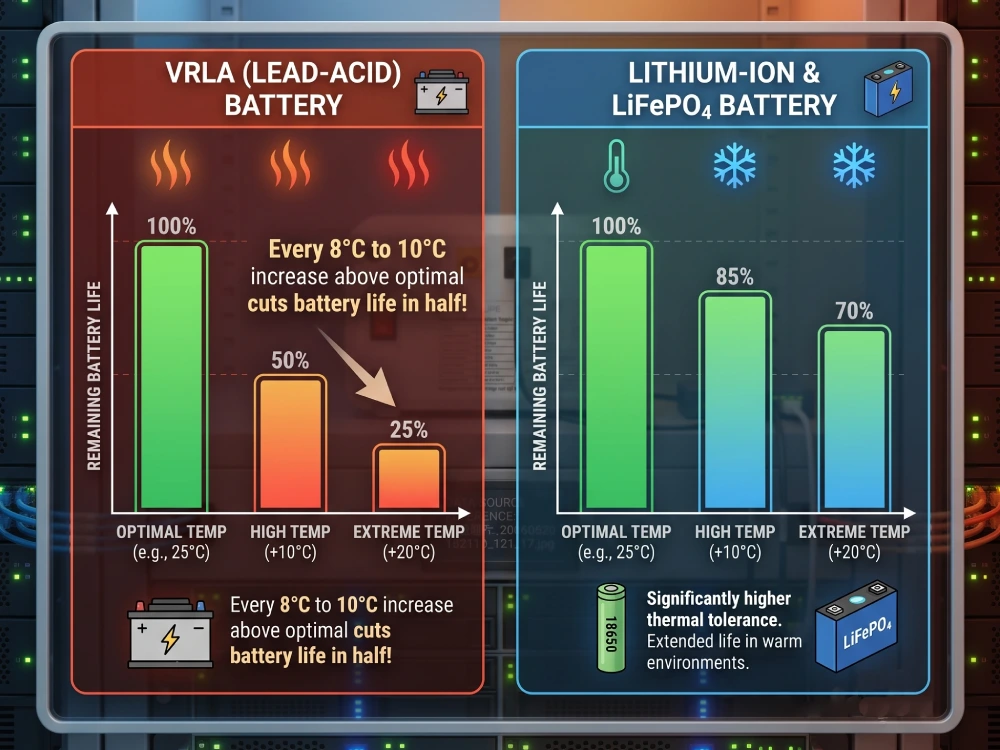
Bei VRLA-Batterien (ventilgeregelte Blei-Säure-Batterien), die in vielen USV-Anwendungen immer noch üblich sind, kann jede Erhöhung der Temperatur um 8 °C bis 10 °C über die optimale Temperatur die Lebensdauer der Batterie halbieren.
Mylion Mini-USV-Anlagen verwenden hingegen hauptsächlich Lithium-Ionen- und LiFePO₄-Akkus. Diese bieten zwar eine bessere Temperaturtoleranz als VRLA-Akkus, sind aber dennoch nicht immun gegen Temperatureinflüsse.
Wie hohe Temperaturen die Überbrückungszeit und die Akkulaufzeit von Mini-USV-Anlagen beeinflussen
Hohe Temperaturen zählen zu den häufigsten Ursachen für verminderte Leistung und beschleunigte Alterung von Lithiumbatterien. Beim Betrieb einer Mini-USV in einer heißen Umgebung werden verschiedene interne Batterie- und Elektronikprozesse beeinträchtigt.
1. Höhere Temperaturen können die verfügbare Backup-Zeit reduzieren.
Die Nennenergie einer Batterie wird üblicherweise unter spezifischen Testbedingungen gemessen. Im realen Einsatz kann die verfügbare Energie temperaturabhängig variieren.
Wenn die Temperatur steigt:
- Interne chemische Reaktionen beschleunigen sich.
- Die Selbstentladung der Batterie kann zunehmen.
- Die Energieumwandlungseffizienz kann sinken.
- Batteriemanagementsysteme (BMS) können das Laden oder Entladen begrenzen, um die Batterie zu schützen.
Daher kann die tatsächliche Laufzeit hinter den theoretischen Schätzungen zurückbleiben.
Zum Beispiel ein Mini-USV versorgt ein ONT mit Strom Der Router kann bei der Installation unterschiedliche Backup-Zeiten bereitstellen:
- In einem klimatisierten Telekommunikationsschrank
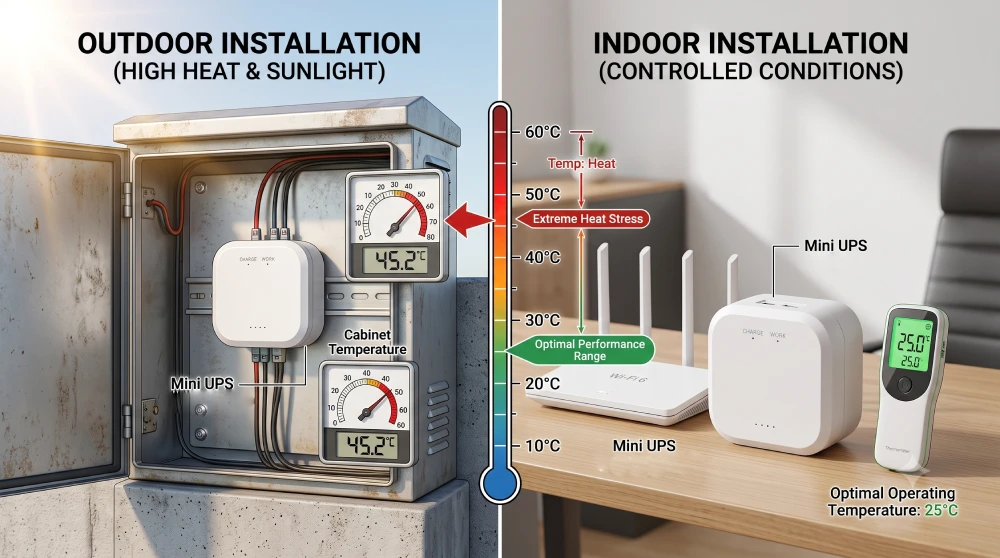
- In einem geschlossenen Außengehege, das der Sonneneinstrahlung ausgesetzt ist
- In der Nähe von wärmeerzeugenden Netzwerkgeräten
Daher sollte die Backup-Zeit immer auf der Grundlage der tatsächlichen Betriebsbedingungen und nicht allein der Batteriekapazität bewertet werden.
MYLION Mini-USV Die Auswahlrichtlinien empfehlen, vor der Modellwahl den tatsächlichen Stromverbrauch des Geräts, die angestrebte Backup-Zeit, die Installationsumgebung und die Temperaturbedingungen zu berücksichtigen.
2. Hohe Temperaturen beschleunigen die Alterung der Batterie.
Die Batterielebensdauer wird sowohl durch Zyklenalterung als auch durch kalendarische Alterung beeinflusst. Die Temperatur ist ein wichtiger Faktor für die kalendarische Alterung, da chemische Reaktionen auch dann ablaufen, wenn die Batterie nicht aktiv geladen und entladen wird.
Eine in einer dauerhaft warmen Umgebung installierte Mini-USV kann folgende Auswirkungen haben:
- Schnellerer Kapazitätsverlust
- Erhöhter innerer Widerstand
- Verringerte Ladeeffizienz
- Kürzere Gesamtlebensdauer
Dies ist besonders wichtig für Telekommunikations- und ISP-Anwendungen, bei denen die Backup-Ausrüstung rund um die Uhr angeschlossen bleibt und nur bei gelegentlichen Stromausfällen entladen wird.
Ein weit verbreitetes Missverständnis ist, dass eine Mini-USV mit größerer Akkukapazität automatisch eine längere Lebensdauer bietet. Tatsächlich spielen Umgebungsbedingungen, Ladestrategie, Lastniveau und Temperaturmanagement eine entscheidende Rolle.
Bei professionellen Einsätzen sollten Angaben zur Batterielebensdauer stets Testbedingungen wie Temperatur, Entladerate, Entladetiefe und Kriterien für das Ende der Lebensdauer enthalten, anstatt einfach eine feste Lebensdauerangabe zu verwenden.
Wie niedrige Temperaturen die Backup-Leistung von Mini-USV-Anlagen beeinflussen
Niedrige Temperaturen bringen andere Herausforderungen mit sich. Während hohe Temperaturen hauptsächlich die Alterung beschleunigen, beeinträchtigen niedrige Temperaturen oft die unmittelbare Stromverfügbarkeit.
1. Reduzierte Batteriekapazität bei niedrigen Temperaturen
Bei niedrigeren Temperaturen treten bei Lithium-Ionen-Batterien im Allgemeinen folgende Probleme auf:
- Erhöhter innerer Widerstand
- Langsamere chemische Reaktionen
- Reduzierte verfügbare Kapazität
- Geringere Entladeeffizienz
Dies bedeutet, dass eine Mini-USV in einer kalten Umgebung möglicherweise nicht die gleiche Backup-Dauer wie bei Raumtemperatur erreicht.
Zum Beispiel ein Netzwerk-Backup-System, das installiert ist in:
- Telekommunikationsschränke im Außenbereich
- Kühlhäuser
- Fernkommunikationsstandorte
- Außenüberwachungssysteme
Vor dem Einsatz kann eine zusätzliche Bewertung erforderlich sein.
Ein Akku, der bei normaler Raumtemperatur gut funktioniert, benötigt für kältere Umgebungen möglicherweise eine andere Konfiguration oder andere Schutzstrategien.
2. Die Ladeleistung wird empfindlicher.
Das Laden von Lithiumbatterien bei niedrigen Temperaturen erfordert eine sorgfältige Kontrolle.
Erfolgt der Ladevorgang außerhalb des empfohlenen Temperaturbereichs, können folgende Risiken bestehen:
- Verringerte Ladeeffizienz
- Erhöhte Batteriebelastung
- Mögliche Sicherheitsbedenken hängen von der Batteriechemie und dem Design ab.
Professionelle Mini-USV-Systeme Schutzstrategien werden eingesetzt, um die Lade- und Entladebedingungen zu steuern. Der genaue Temperaturbereich und die Schutzfunktionen hängen jedoch vom jeweiligen Produktdesign und der Batteriekonfiguration ab.
Aus diesem Grund sollten Kunden, die Mini-USV-Produkte in extremen Umgebungen einsetzen, folgende Informationen bereitstellen:
- Installationsort
- Minimale und maximale Temperatur
- Ladebedingungen
- Erwartete Backup-Dauer
- Strombedarf der angeschlossenen Geräte
Dies ermöglicht es den Ingenieuren zu beurteilen, ob die gewählte Lösung zur Anwendung passt.
Wie Mylion Mini UPS extremen Temperaturen trotzt
Die Mini-USV-Produkte von Mylion verfügen über mehrere Funktionen, die temperaturbezogene Herausforderungen bewältigen:
Intelligenter IC-Schutz
Integrierte Schaltkreise überwachen kontinuierlich die internen Bedingungen. Wird der Sicherheitsgrenzwert (70 °C) überschritten, schaltet der IC die Stromzufuhr automatisch ab, um ein thermisches Durchgehen zu verhindern und angeschlossene Netzwerkgeräte vor elektrischen Schäden zu schützen.
Premium-Zellchemie
Mylion verwendet hochwertige Lithium-Ionen- und LiFePO₄-Zellen. Modelle wie die ML1202AC Sie nutzen die LiFePO₄-Technologie, die im Vergleich zu älteren Zelltechnologien eine außergewöhnliche thermische Stabilität und Sicherheit bietet. Diese Zellen erreichen selbst unter anspruchsvollen Bedingungen mehr als 2.000 Ladezyklen und übertreffen damit herkömmliche Lithiumbatterien deutlich.
Feuerbeständige Konstruktion
Die Mylion Mini-USV-Geräte verfügen über ein feuerfestes FR-ABS-Gehäuse. Dieses Material ist schwer entflammbar und verhindert die Ausbreitung von Flammen. Dadurch bietet es einen entscheidenden Schutz für Büro-, Wohn- oder Telekommunikationsumgebungen – selbst bei maximaler Belastung des Geräts.
Aktive Kühlung für Hochleistungsmodelle
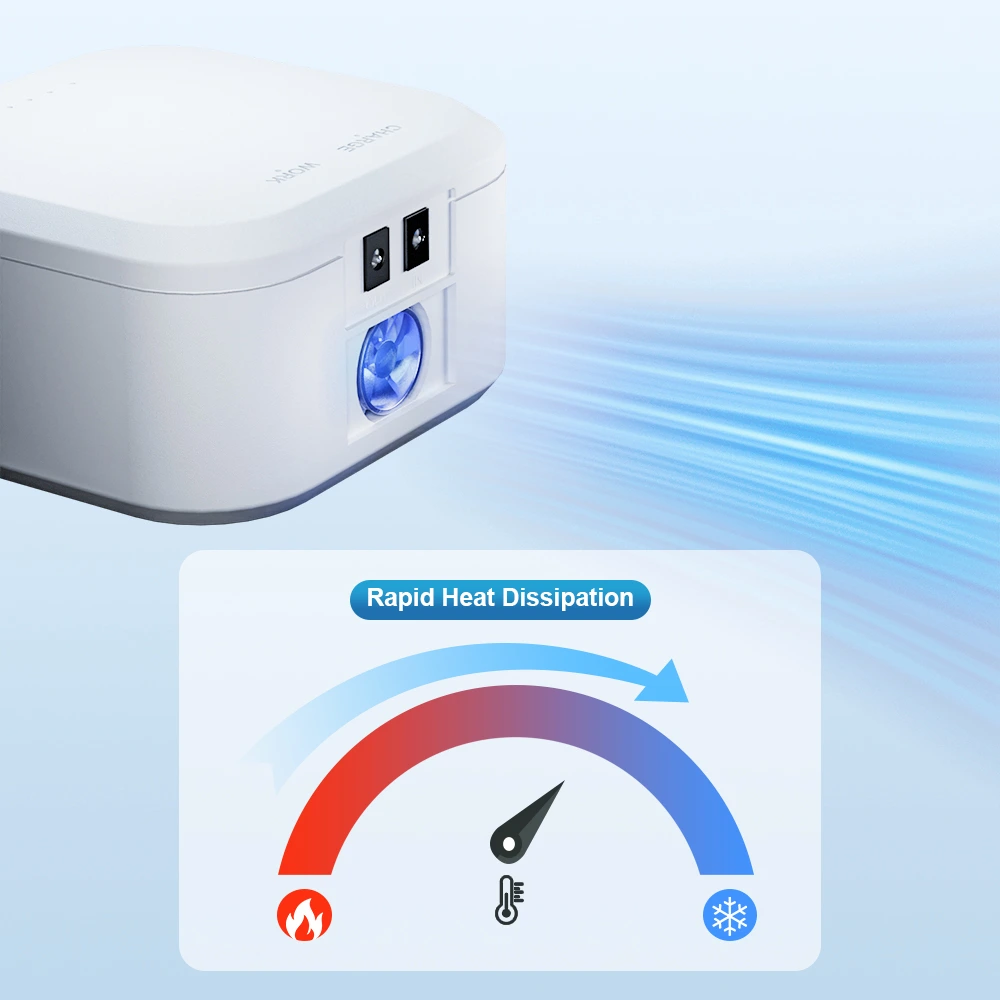
Für anspruchsvolle B2B-Anwendungen, die mehrere Geräte gleichzeitig ansteuern, ist passive Kühlung unzureichend. Mylion MU35Das Hochstrommodell verfügt über integrierte, automatische Abluftventilatoren. Diese Ventilatoren schalten sich automatisch ein, um die warme Luft abzuführen und so die Batterie auch unter Dauerlast kühl und stabil zu halten.
4 Tipps zur Temperaturregelung für optimale Leistung von Mini-USV-Anlagen
1. Die richtige Dimensionierung der UPS
Achten Sie darauf, eine USV zu kaufen, die für Ihr Netzwerk ausreichend leistungsstark ist. Die Produktpalette von Mylion umfasst Modelle für unterschiedliche Umgebungen:
- MU48 Mini-USV:Kompaktes Design, geeignet für den Schutz von Routern und Modems in Innenräumen
- MU68W Mini-USV:Höhere Kapazität für längere Laufzeit, geeignet für den Innen- und geschützten Außenbereich
- ML1202AC LiFePO4 Mini-USV: Verbesserte thermische Stabilität für anspruchsvolle Anwendungen
- MU35 Mini-USV: 5A Hochstromausgang, geeignet für Umgebungen mit hohem Leistungsbedarf.
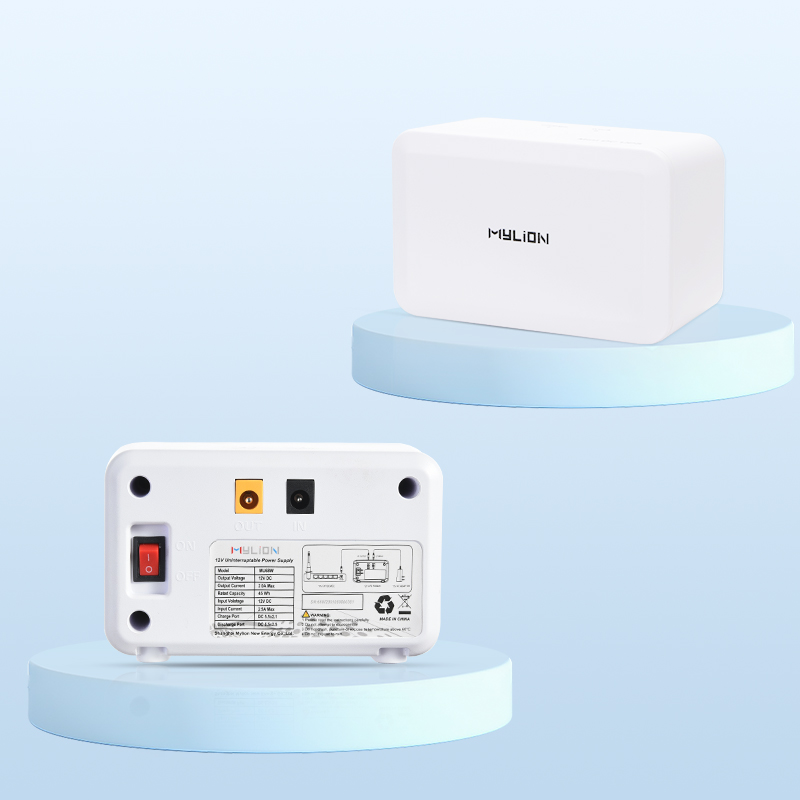
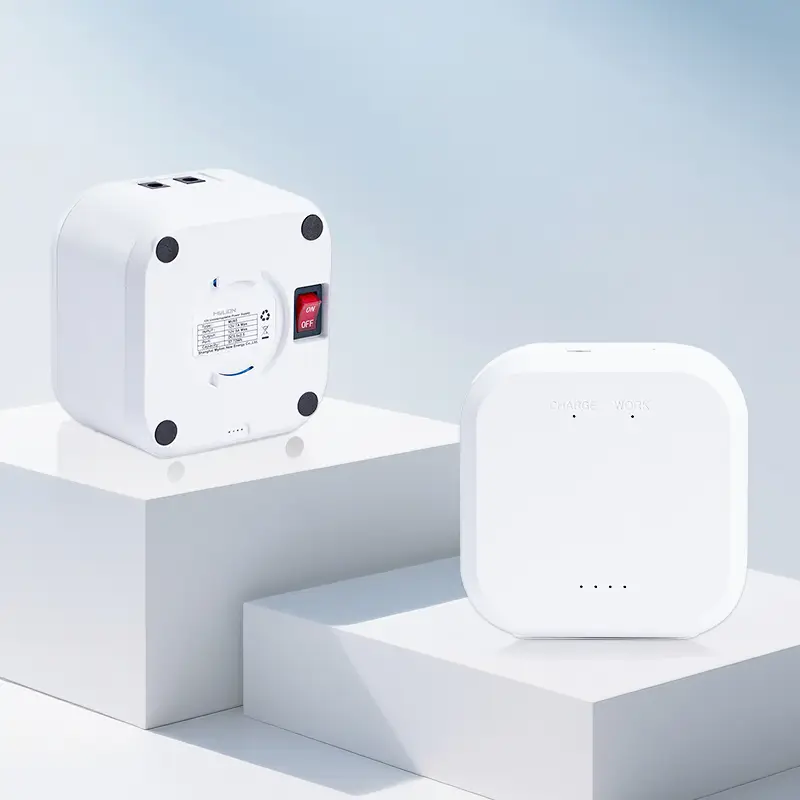
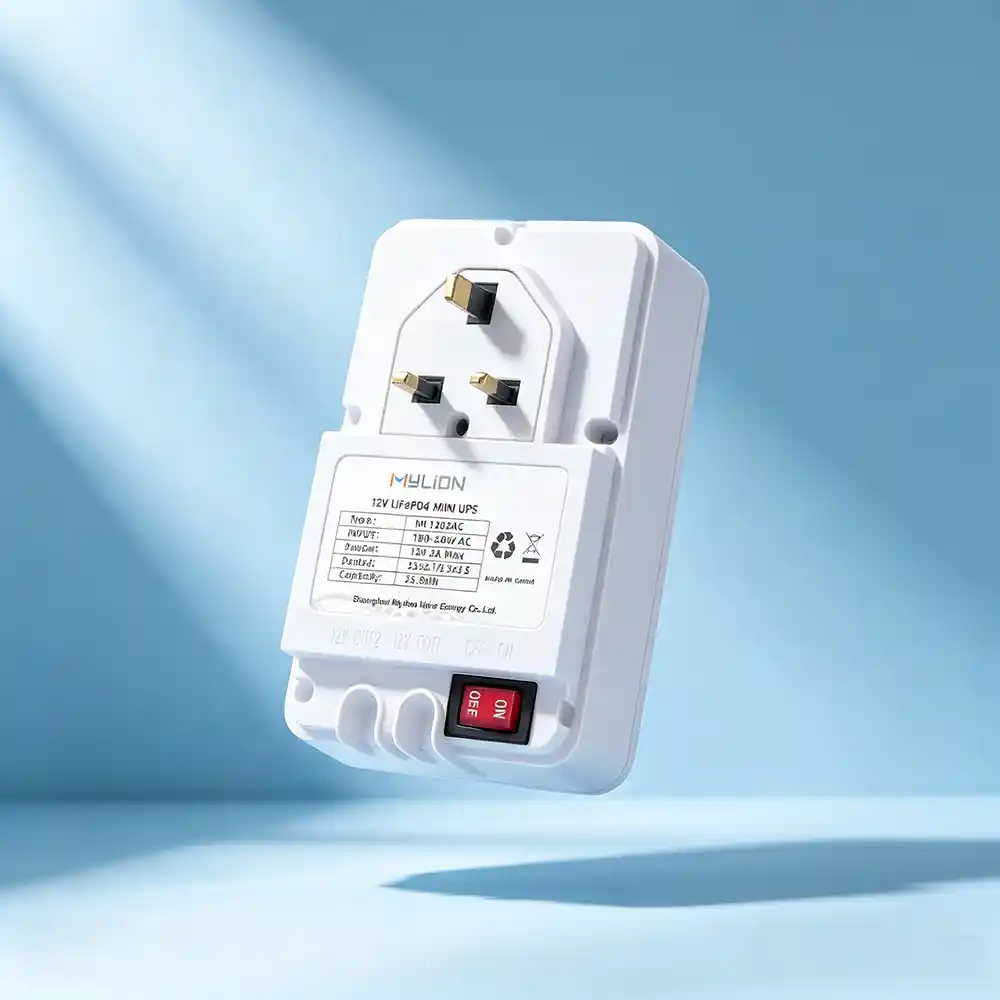
MU68 Mini-USV
MU35 Mini-USV
MUL1202AC Mini-USV
2. Strategische Platzierung
Stellen Sie eine Mini-USV niemals in direktes Sonnenlicht. Halten Sie die Geräte von Heizkörpern, Heizlüftern und sonnigen Fenstern fern. Ein kühler, schattiger Platz ist immer die beste Wahl.
3. Für Belüftung sorgen
Netzwerkgeräte werden heiß. Stellen Sie die Mini-USV nicht direkt auf einen heißen Router oder ein Modem. Lassen Sie genügend Platz um die USV herum, damit Frischluft zirkulieren und die Wärme abführen kann.
4. Vermeiden Sie geschlossene Räume
Seien Sie vorsichtig beim Einbau von Backup-Geräten in Metall-Telekommunikationsschränke oder kleine Kunststoffboxen. Wenn die Box keine Lüfter oder Belüftungsöffnungen hat, steigt die Temperatur im Inneren sehr schnell an. Achten Sie stets auf eine gute Belüftung der Netzwerkschränke.
Häufig gestellte Fragen
Frage 1: Kann ich eine Mini-USV bei Minustemperaturen verwenden?
F2: Woran erkenne ich, ob die Temperatur meine Mini-USV beeinflusst?
Frage 3: Was unterscheidet die Mylion Mini UPS in Bezug auf das Temperaturmanagement?
Frage 4: Ist LiFePO₄ bei hohen Temperaturen besser geeignet als herkömmliche Lithium-Ionen-Akkus?
Frage 5: Was ist die ideale Temperatur für den Betrieb einer Mini-USV?
Frage 6: Kann eine Mini-USV auch in heißen Umgebungen im Freien funktionieren?
Abschluss
Die Temperatur ist ein entscheidender Faktor, der die Überbrückungszeit, die Batterieeffizienz und die Langzeitstabilität von Mini-USV-Anlagen beeinflusst. Sowohl hohe als auch niedrige Temperaturen können das Batterieverhalten verändern, sodass die tatsächliche Leistung von den Laborberechnungen abweicht.
Für Telekommunikationsbetreiber, Internetdienstanbieter und Gerätehersteller sollte die Auswahl einer Mini-USV eine umfassende Bewertung der Anwendungsanforderungen, der Lastbedingungen, der Umgebungsfaktoren und der Einsatzziele beinhalten.
Die zuverlässige Notstromlösung von MYLION kann das passende Mini-USV-Design auf die Ausrüstung des Kunden, die Betriebsumgebung und die Zuverlässigkeitserwartungen abstimmen.



 Deutsch
  English
  简体中文
简体中文  Français
  Italiano
  Español