
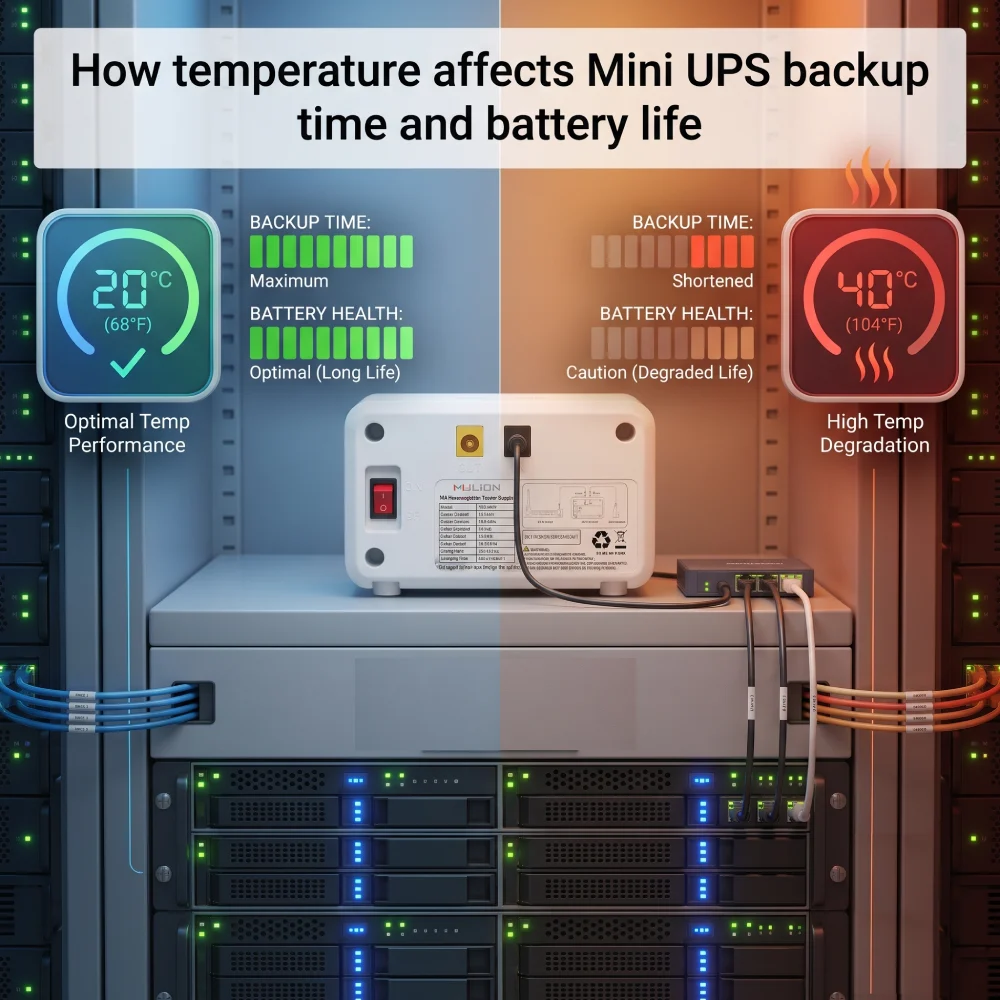
La temperatura è uno dei fattori ambientali più importanti che influenzano Mini-UPS Tempo di backup, efficienza di ricarica e affidabilità della batteria a lungo termine. Un Mini UPS installato in una sala server a temperatura controllata può fornire risultati molto diversi rispetto allo stesso prodotto installato in un armadio esterno, in un contenitore di rete domestica o in un ambiente industriale con forti variazioni di temperatura.
Comprendere gli effetti della temperatura aiuta le aziende a selezionare la configurazione Mini UPS più adatta, a evitare riduzioni impreviste dell'autonomia e a migliorare l'affidabilità delle soluzioni di continuità di rete.
Questo articolo esamina la scienza alla base dell'impatto della temperatura sulle prestazioni dei Mini UPS, con particolare riferimento a Prodotti Mylion Mini UPSe fornisce strategie pratiche per massimizzare sia l'autonomia che la durata della batteria.
Perché la temperatura è importante per le prestazioni dei mini UPS
Le batterie sono dispositivi elettrochimici. Le loro prestazioni sono intrinsecamente legate alla temperatura, poiché le reazioni chimiche al loro interno sono estremamente sensibili alle variazioni termiche. Anche una deviazione di pochi gradi dall'intervallo ottimale può accelerare significativamente il degrado o ridurre l'efficienza.
Per le batterie VRLA (Valve-Regulated Lead-Acid), ancora comuni in molte applicazioni UPS, ogni aumento di temperatura di 8-10 °C rispetto alla temperatura ottimale può dimezzare la durata della batteria.
Al contrario, le unità Mylion Mini UPS utilizzano principalmente batterie agli ioni di litio e LiFePO₄. Queste offrono una migliore tolleranza termica rispetto alle VRLA, ma non sono comunque immuni agli effetti della temperatura.
In che modo le alte temperature influiscono sull'autonomia e sulla durata della batteria dei mini UPS?
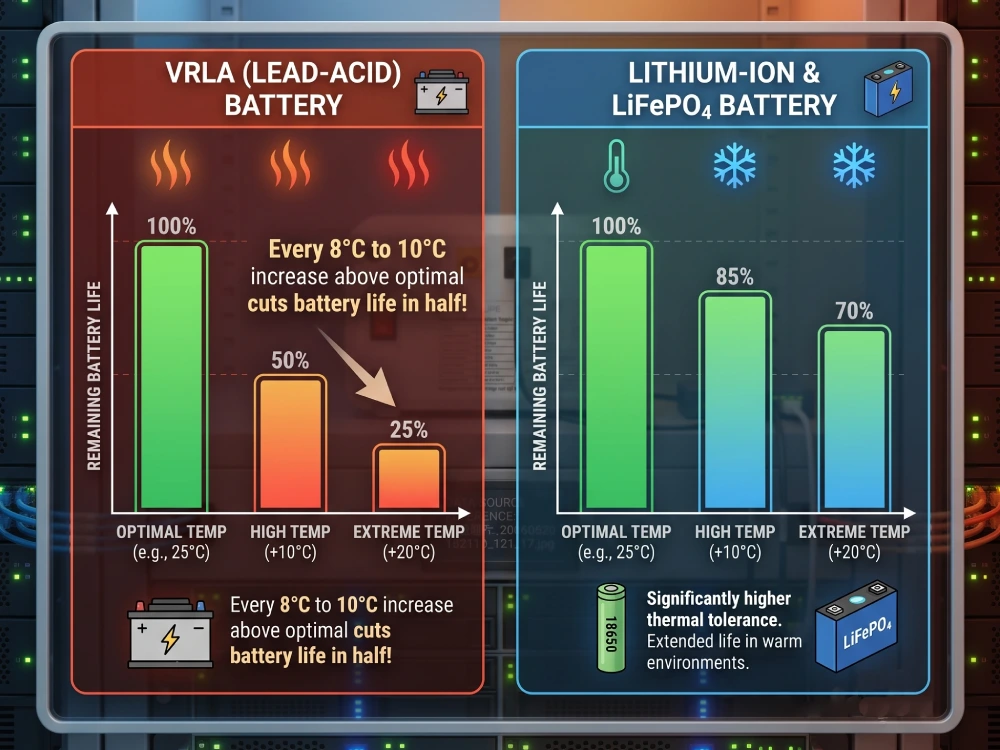
Le alte temperature sono una delle cause più comuni di riduzione delle prestazioni e invecchiamento accelerato delle batterie al litio. Quando un mini UPS funziona in un ambiente caldo, diversi processi interni della batteria e dell'elettronica ne risentono.
1. Temperature più elevate possono ridurre il tempo di backup disponibile
L'energia nominale di una batteria viene normalmente misurata in condizioni di prova specifiche. Nelle applicazioni reali, l'energia disponibile può variare in base alla temperatura.
Quando la temperatura sale:
- Le reazioni chimiche interne accelerano.
- L'autoscarica della batteria potrebbe aumentare.
- L'efficienza di conversione energetica potrebbe diminuire.
- I sistemi di gestione della batteria (BMS) possono limitare la carica o la scarica per proteggere la batteria.
Di conseguenza, il tempo di esecuzione effettivo potrebbe essere inferiore alle stime teoriche.
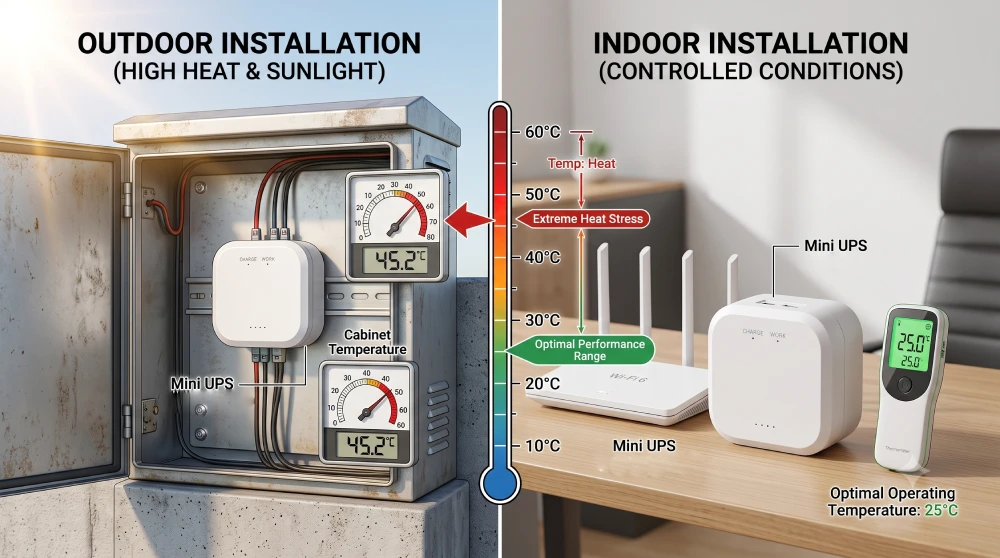
Ad esempio, un Mini UPS che alimenta un ONT oppure il router potrebbe fornire tempi di backup diversi al momento dell'installazione:
- All'interno di un armadio per telecomunicazioni climatizzato
- In un recinto esterno chiuso esposto alla luce solare
- Vicino ad apparecchiature di rete che generano calore
Pertanto, l'autonomia di backup dovrebbe essere sempre valutata in base alle effettive condizioni operative, piuttosto che basandosi unicamente sulla capacità della batteria.
MYLION Mini UPS Le linee guida per la selezione raccomandano di considerare il consumo energetico effettivo del dispositivo, il tempo di backup desiderato, l'ambiente di installazione e le condizioni di temperatura prima di scegliere un modello.
2. Le alte temperature accelerano l'invecchiamento della batteria.
La durata della batteria è influenzata sia dall'invecchiamento dovuto ai cicli di carica/scarica che dall'invecchiamento cronologico. La temperatura è un fattore importante nell'invecchiamento cronologico perché le reazioni chimiche continuano anche quando la batteria non è sottoposta a cicli di carica/scarica attivi.
Un mini UPS installato in un ambiente costantemente caldo potrebbe presentare i seguenti problemi:
- Degrado più rapido della capacità
- Aumento della resistenza interna
- Efficienza di ricarica ridotta
- Durata di servizio complessiva più breve
Ciò è particolarmente importante per le applicazioni di telecomunicazioni e ISP, dove le apparecchiature di backup possono rimanere collegate 24 ore su 24, 7 giorni su 7, e scaricarsi solo in caso di occasionali interruzioni di corrente.
Un equivoco comune è che un mini UPS con una maggiore capacità della batteria offra sempre una durata maggiore. In realtà, anche le condizioni ambientali, la strategia di ricarica, il livello di carico e la gestione della temperatura hanno un impatto significativo.
Per le applicazioni professionali, le dichiarazioni sulla durata della batteria dovrebbero sempre includere le condizioni di prova, come temperatura, velocità di scarica, profondità di scarica e criteri di fine vita, anziché utilizzare un semplice valore fisso per la durata di vita.
In che modo le basse temperature influiscono sulle prestazioni del mini UPS in modalità di backup?
Le basse temperature creano una serie di sfide diverse. Mentre le alte temperature accelerano principalmente l'invecchiamento, le basse temperature spesso influiscono sulla disponibilità immediata di energia.
1. Capacità della batteria ridotta a basse temperature
A temperature più basse, le batterie agli ioni di litio generalmente presentano le seguenti caratteristiche:
- Aumento della resistenza interna
- Reazioni chimiche più lente
- Capacità disponibile ridotta
- Minore efficienza di scarico
Ciò significa che un Mini UPS potrebbe non garantire la stessa durata di autonomia in un ambiente freddo rispetto a una temperatura ambiente.
Ad esempio, un sistema di backup di rete installato in:
- Armadi per telecomunicazioni da esterno
- Magazzini frigoriferi
- Siti di comunicazione remota
- Sistemi di monitoraggio esterni
potrebbe richiedere un'ulteriore valutazione prima dell'implementazione.
Un pacco batterie che funziona bene a temperature interne normali potrebbe richiedere una configurazione o strategie di protezione diverse per ambienti più freddi.
2. Le prestazioni di ricarica diventano più sensibili
La ricarica delle batterie al litio a basse temperature richiede un controllo accurato.
Se la ricarica avviene al di fuori dell'intervallo di temperatura consigliato, i rischi possono includere:
- Efficienza di ricarica ridotta
- Aumento dello stress della batteria
- Potenziali problemi di sicurezza a seconda della composizione chimica e del design della batteria.
Sistemi Mini UPS professionali Vengono utilizzate strategie di protezione per gestire le condizioni di carica e scarica. Tuttavia, l'intervallo di temperatura esatto e le funzioni di protezione dipendono dalla specifica progettazione del prodotto e dalla configurazione della batteria.
Per questo motivo, i clienti che installano prodotti Mini UPS in ambienti estremi devono fornire informazioni su:
- Luogo di installazione
- Temperatura minima e massima
- Condizioni di ricarica
- Durata prevista del gemello
- Requisiti di alimentazione delle apparecchiature collegate
Ciò consente agli ingegneri di valutare se la soluzione selezionata è adatta all'applicazione.
Come Mylion Mini UPS combatte le temperature estreme
I prodotti Mylion Mini UPS integrano diverse funzionalità che affrontano le problematiche legate alla temperatura:
Protezione intelligente IC
I circuiti integrati incorporati monitorano costantemente le condizioni interne. Se la temperatura supera la soglia di sicurezza (70 °C), il circuito integrato interrompe automaticamente l'alimentazione, prevenendo l'instabilità termica e proteggendo le apparecchiature di rete collegate da danni elettrici.
Chimica cellulare di alta qualità
Mylion utilizza celle agli ioni di litio e LiFePO₄ di alta qualità. Modelli come il Modello ML1202AC Sfruttando la tecnologia LiFePO₄, che offre un'eccezionale stabilità termica e sicurezza rispetto alle vecchie tecnologie, queste celle garantiscono oltre 2.000 cicli di carica anche in condizioni estreme, superando di gran lunga la durata delle batterie al litio standard.
costruzione ignifuga
Le unità Mylion Mini UPS sono dotate di un involucro in ABS ignifugo FR-ABS. Questo materiale resiste all'accensione e alla propagazione delle fiamme, aggiungendo un livello di protezione fondamentale per ambienti come uffici, abitazioni o centrali di telecomunicazioni, anche se l'unità viene spinta al limite delle sue capacità.
Raffreddamento attivo per modelli ad alta potenza
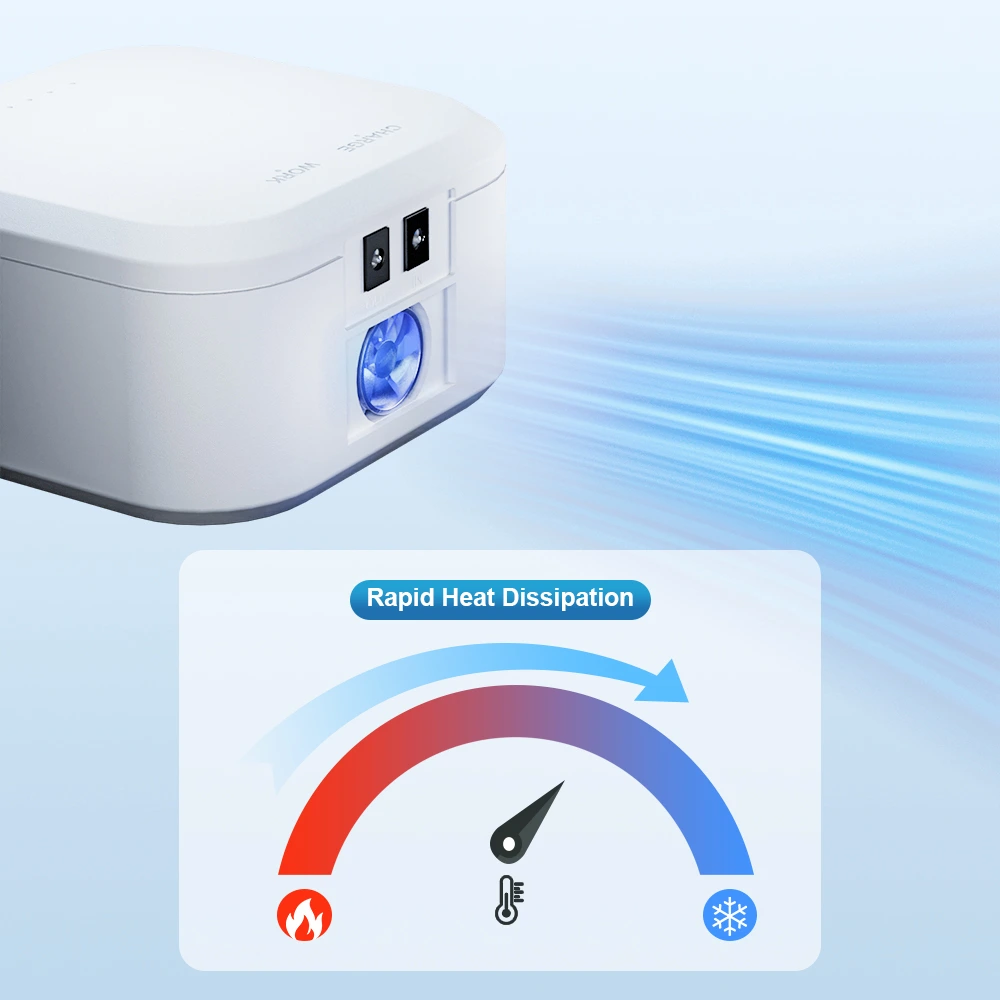
Per le applicazioni B2B gravose che gestiscono più dispositivi contemporaneamente, il raffreddamento passivo è insufficiente. Mylion MU35, un modello ad alta corrente, è dotato di ventole di scarico automatiche integrate. Queste ventole si attivano automaticamente per espellere l'aria calda, mantenendo la batteria fresca e stabile sotto carico prolungato.
4 consigli per gestire la temperatura e ottenere prestazioni ottimali con i mini UPS
1. Dimensionamento corretto dell'UPS
Assicurati di acquistare un UPS sufficientemente potente per la tua rete. La gamma di prodotti Mylion comprende modelli progettati per diversi ambienti:
- Mini UPS MU48:Design compatto, ideale per la protezione di router e modem in ambienti interni.
- MU68W Mini UPS:Maggiore capacità per un'autonomia prolungata, adatta sia per uso interno che esterno protetto.
- Mini UPS LiFePO4 ML1202AC: Stabilità termica migliorata per applicazioni esigenti.
- Mini UPS MU35: Uscita di corrente elevata da 5 A, adatta ad ambienti con elevate esigenze di potenza.
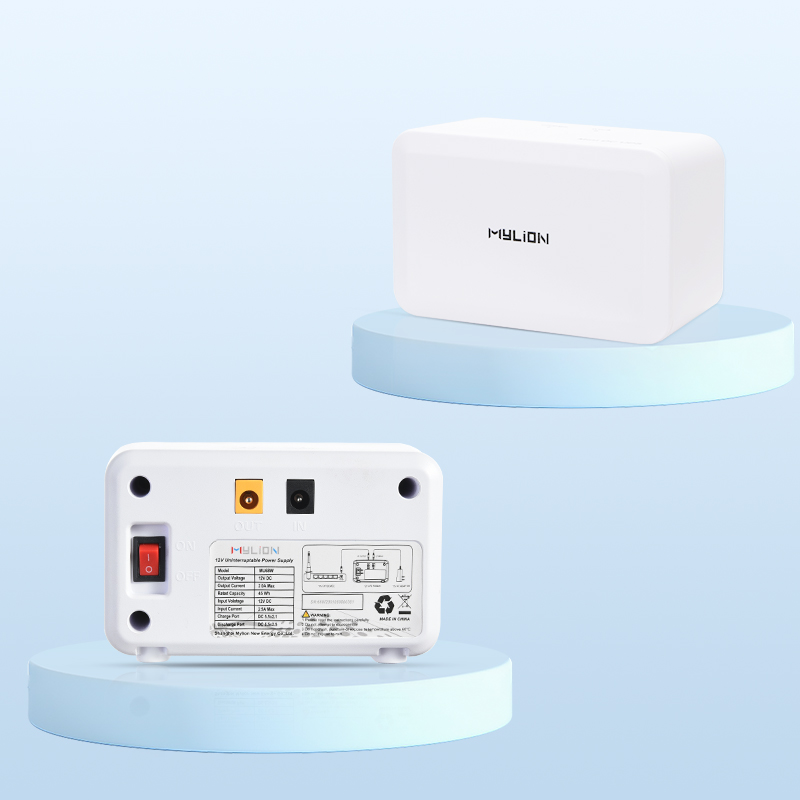
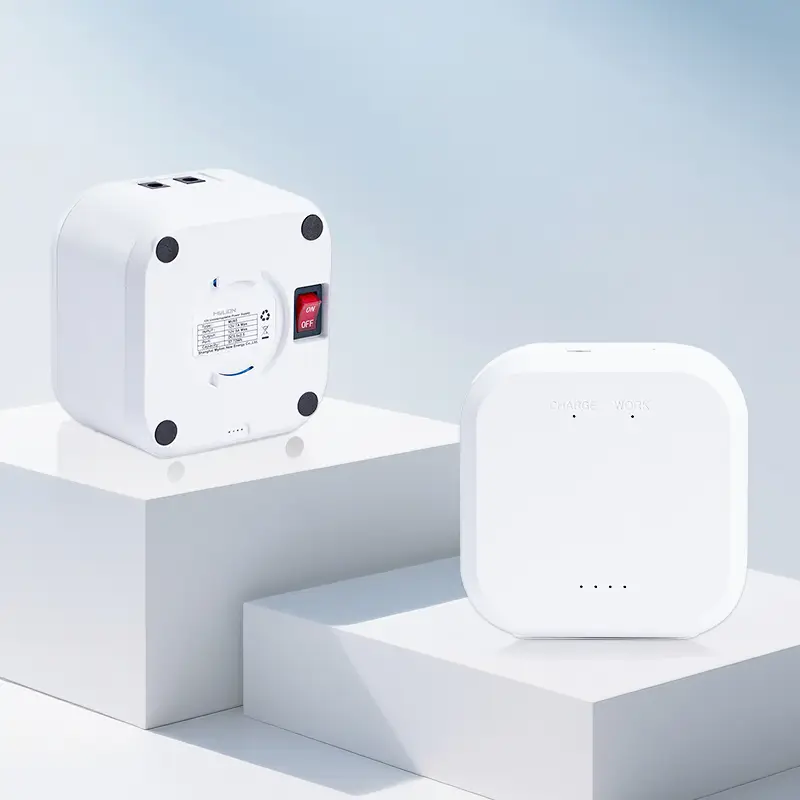
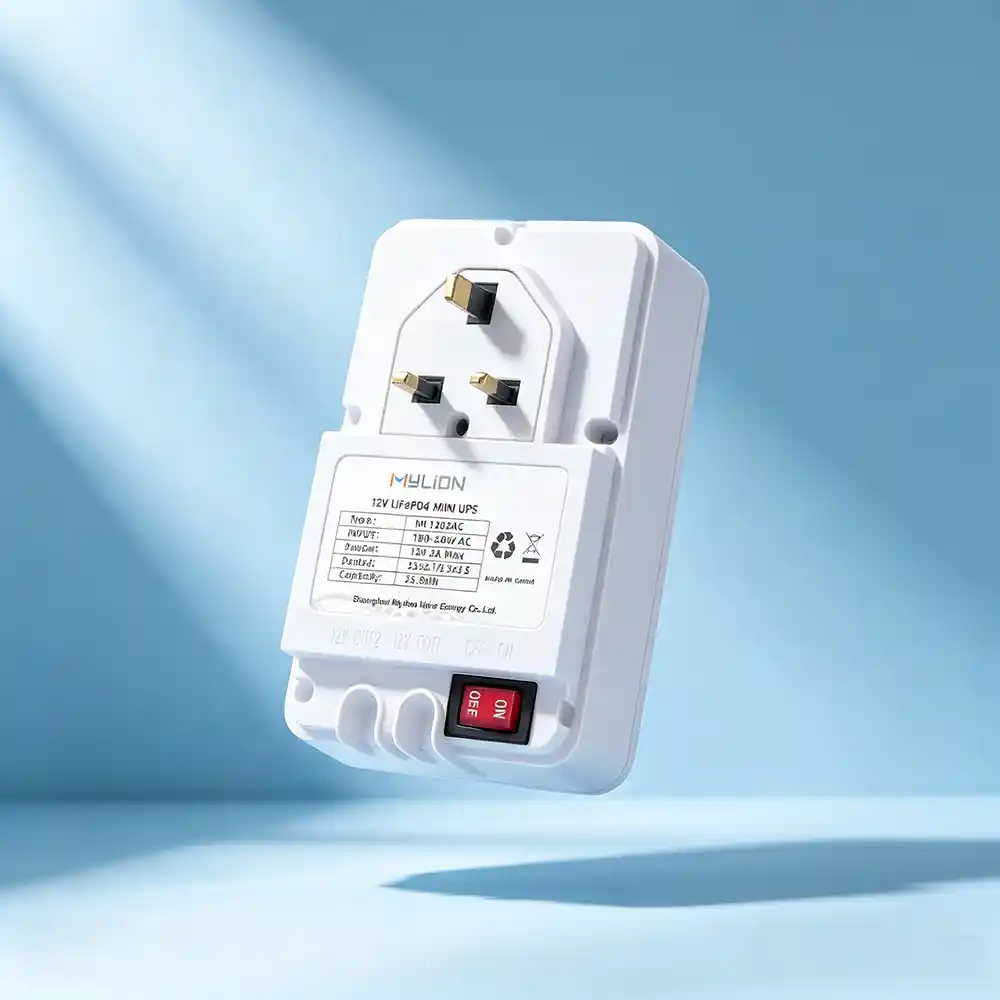
MU68 Mini UPS
MU35 Mini UPS
MUL1202AC Mini UPS
2. Posizionamento strategico
Non posizionare mai un Mini UPS alla luce diretta del sole. Tenere le unità lontane da termosifoni, radiatori e finestre soleggiate. Un luogo fresco e ombreggiato è sempre la scelta migliore.
3. Assicurare la ventilazione
I dispositivi di rete si surriscaldano. Non posizionare il Mini UPS direttamente sopra un router o un modem caldo. Lasciare spazio intorno all'UPS in modo che l'aria fresca possa circolare e dissipare il calore.
4. Evitare gli spazi chiusi
Fate attenzione quando installate unità di backup all'interno di armadi metallici per telecomunicazioni o piccole scatole di plastica. Se la scatola non è dotata di ventole di raffreddamento o fori di ventilazione, la temperatura interna aumenterà molto rapidamente. Assicuratevi sempre che gli armadi di rete abbiano una buona circolazione d'aria.
Domande frequenti
D1: Posso utilizzare un mini UPS a temperature sotto zero?
D2: Come faccio a sapere se la temperatura sta influenzando il mio mini UPS?
D3: Cosa distingue Mylion Mini UPS in termini di gestione della temperatura?
D4: Il LiFePO₄ è migliore del normale litio-ione per le alte temperature?
D5: Qual è la temperatura ideale per il funzionamento del Mini UPS?
D6: Un mini UPS può funzionare in ambienti esterni caldi?
Conclusione
La temperatura è un fattore critico che influenza l'autonomia dei mini UPS, l'efficienza della batteria e l'affidabilità a lungo termine. Sia le alte che le basse temperature possono alterare il comportamento della batteria, rendendo le prestazioni reali diverse dai calcoli di laboratorio.
Per gli operatori di telecomunicazioni, i provider di servizi Internet e i produttori di apparecchiature, la scelta di un Mini UPS dovrebbe prevedere una valutazione completa dei requisiti dell'applicazione, delle condizioni di carico, dei fattori ambientali e degli obiettivi di implementazione.
La soluzione di alimentazione di backup affidabile di MYLION è in grado di abbinare il design del Mini UPS più adatto alle apparecchiature del cliente, all'ambiente operativo e alle sue aspettative in termini di affidabilità.



 Italiano
  English
  简体中文
简体中文  Deutsch
  Français
  Español