
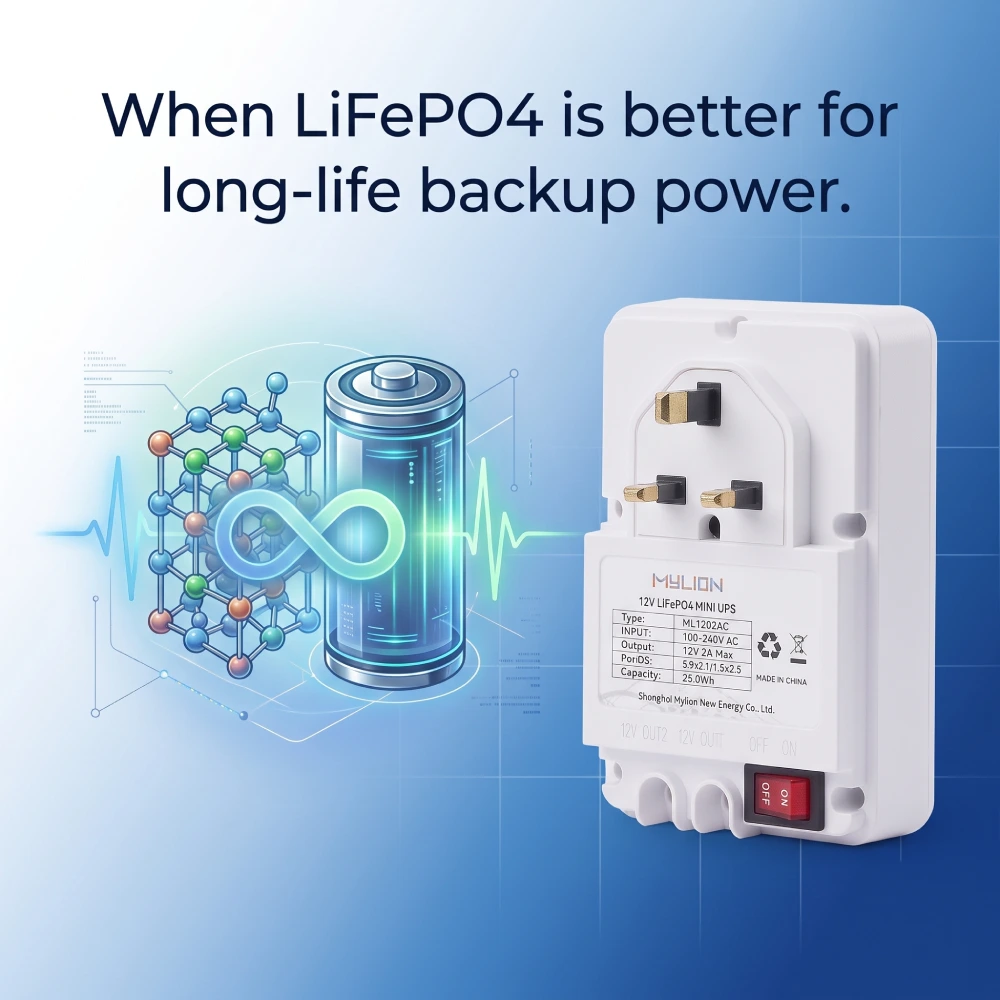
En el entorno B2B hiperconectado actual, el suministro eléctrico ininterrumpido es un requisito fundamental. Para los operadores de telecomunicaciones, los proveedores de servicios de Internet y las redes empresariales, incluso una interrupción momentánea supone pérdida de datos, tiempo de inactividad y pérdidas económicas.
Si bien las baterías tradicionales de plomo-ácido y las baterías estándar de iones de litio han sido la norma en la industria, una alternativa superior ha tomado la delantera: Fosfato de hierro y litio (LiFePO4).
Para los ingenieros de redes y los responsables de la toma de decisiones de TI que diseñan infraestructuras resilientes, es esencial saber cuándo es mejor el LiFePO4 para obtener energía de respaldo de larga duración. Este artículo desglosa las ventajas técnicas del LiFePO4 y muestra cómo productos como el Mini SAI Mylion Esta serie aprovecha esta química para ofrecer una protección fiable y sin necesidad de mantenimiento.
La necesidad crítica de una fuente de alimentación de respaldo confiable de LiFePO4
El hardware empresarial moderno, desde los nodos de computación perimetral hasta las instalaciones de fibra hasta el hogar (FTTH), requiere un suministro eléctrico constante y limpio. Cuando falla la red eléctrica, la transición a la alimentación de respaldo debe ser impecable.
Históricamente, la industria dependía de las baterías de plomo-ácido selladas (SLA). Sin embargo, las baterías SLA presentan graves limitaciones:
- Vida útil corta:Degradación tras tan solo 300 a 500 ciclos de carga.
- Alto mantenimiento:Son voluminosos, pesados y requieren reemplazo regular.
- Ineficacia:Propenso a fallar en temperaturas extremas.
Las baterías de iones de litio (Li-ion) estándar son más ligeras, pero presentan riesgos de sobrecalentamiento, lo que las hace peligrosas para los gabinetes de red cerrados. Esta realidad operativa exige un cambio hacia una solución más segura y de alto rendimiento: LiFePO4.
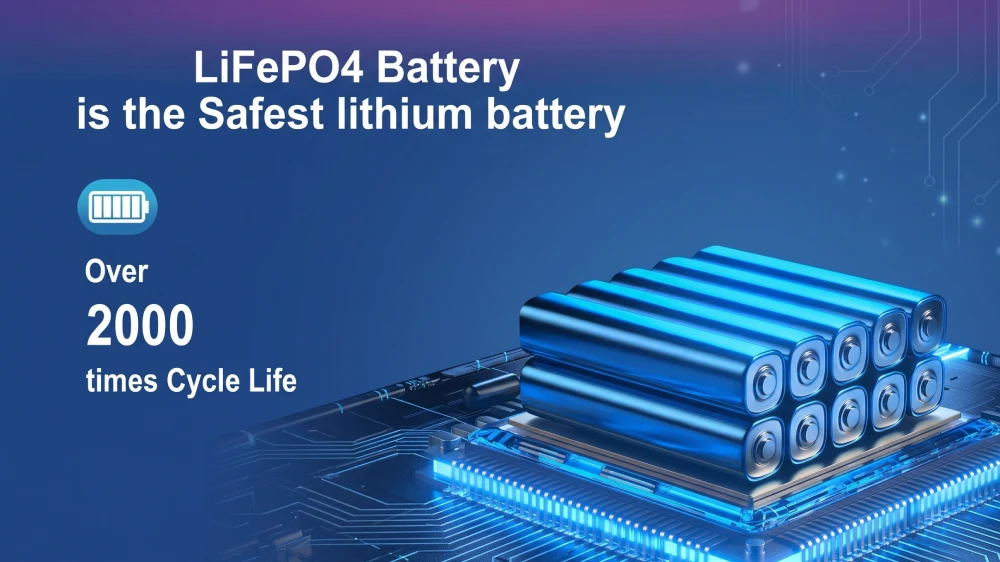
¿Qué hace que las baterías de LiFePO4 sean superiores a las baterías tradicionales?
El LiFePO4 utiliza un material catódico altamente estable, lo que proporciona ventajas transformadoras para los sistemas de respaldo. Una comparación directa pone de manifiesto por qué esta química predomina en las implementaciones a largo plazo:
Característica | Plomo-ácido (SLA) | Batería estándar de iones de litio | LiFePO4 |
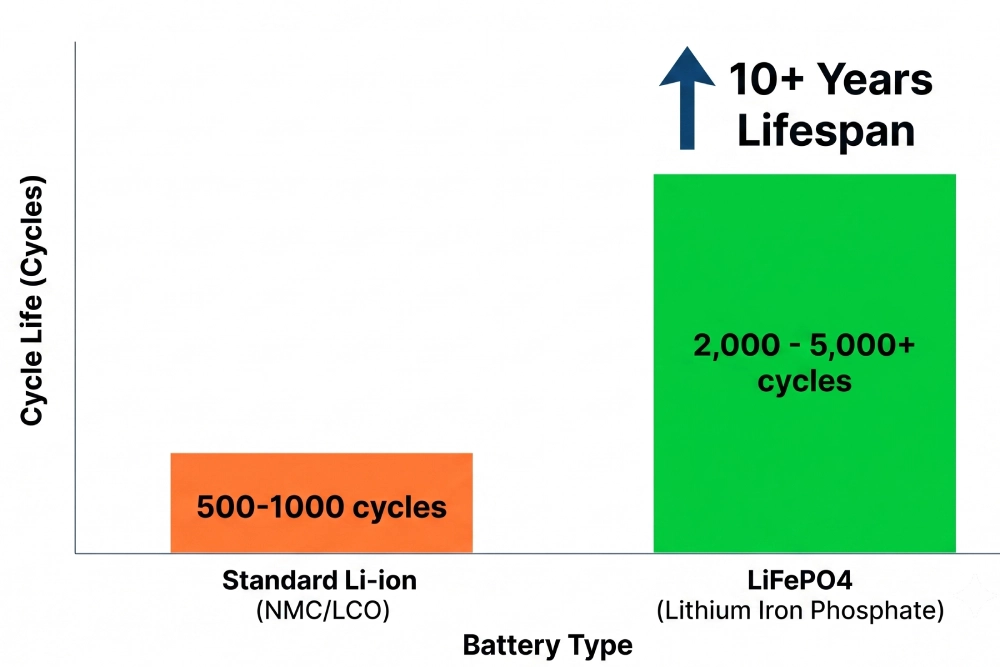
Ciclo de vida | 300–500 ciclos | 800–1.000 ciclos | 2.000–6.000+ ciclos |
Capacidad utilizable (DoD) | ~50% | ~80% | 80–100% |
Seguridad térmica | Riesgo bajo, pero emite gas. | Propenso al descontrol térmico | Extremadamente estable |
Mantenimiento | Alto (riego/ecualización) | Bajo | Mantenimiento cero |
El LiFePO4 se define por tres ventajas fundamentales:
- Vida útil excepcional: Las baterías de LiFePO4 ofrecen habitualmente entre 2000 y más de 5000 ciclos. En un contexto B2B, esto se traduce en una vida útil de entre 7 y 10 años con una degradación mínima.
- Estabilidad térmica inigualable:Los enlaces químicos estables del LiFePO4 lo hacen altamente resistente al sobrecalentamiento. No se inflama fácilmente bajo estrés, lo que lo convierte en la opción más segura a base de litio disponible.
- Voltaje de descarga constante: La batería de LiFePO4 proporciona un voltaje constante hasta que se agota casi por completo. Esto evita la sobrecarga de hardware en equipos sensibles como enrutadores y terminales de red óptica (ONT).
Ventajas estratégicas del LiFePO4 para entornos empresariales
La superioridad técnica debe traducirse en valor comercial. La adopción de LiFePO4 ofrece beneficios estratégicos para implementaciones a largo plazo:
- Coste total de propiedad (CTP) reducido:A pesar de un costo inicial más elevado, las baterías de LiFePO4 duran hasta diez veces más que las alternativas de SLA. Las empresas eliminan los costos recurrentes de reemplazo, la mano de obra de los técnicos y la logística de eliminación.
- Operaciones de mantenimiento cero:Ideal para armarios de telecomunicaciones exteriores de difícil acceso o redes IoT, la batería LiFePO4 es una verdadera solución de "instalar y olvidarse".
- Sostenibilidad ecológica:El LiFePO4 no contiene metales pesados tóxicos (como el plomo) ni materiales controvertidos (como el cobalto). Es altamente reciclable, lo que contribuye a los objetivos de sostenibilidad de las empresas.
Mylion Mini UPS: Soluciones de respaldo LiFePO4
La serie Mylion Mini UPS demuestra cómo la tecnología LiFePO4 se traduce en soluciones de respaldo prácticas para equipos críticos.
Algunos modelos de Mylion Mini UPS integran baterías LiFePO4 con más de 2000 ciclos de carga y descarga, superando con creces a las baterías tradicionales. Esto garantiza años de respaldo confiable con un mínimo de reemplazo.
Modelos clave:
- Entrada de CA (110–240 V), salida de CC de 12 V
- Batería de LiFePO4 de 6 Wh, más de 2000 ciclos.
- Tiempo de transferencia cero (<0 ms)
- Diseñado para routers WiFi y dispositivos de red.
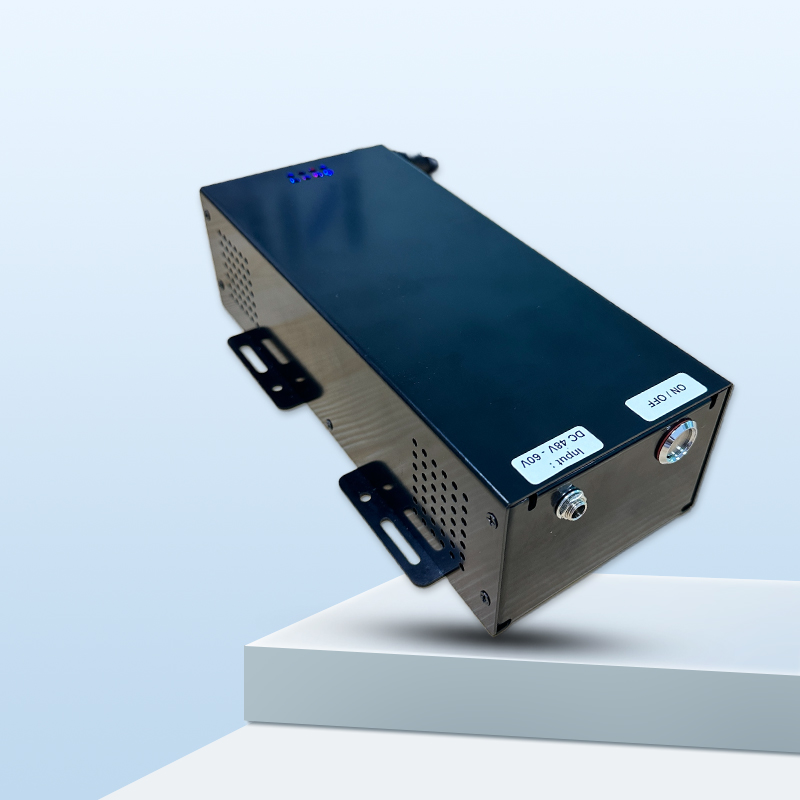
- Doble salida: 24 V/3 A y 48 V/1 A simultáneamente.
- Potencia máxima: 100 W
- Batería: 102,4 Wh LiFePO4
- Tiempo de transferencia cero (<0 ms)
- Ideal para estaciones base de telecomunicaciones, conmutadores y sistemas de vigilancia de seguridad.
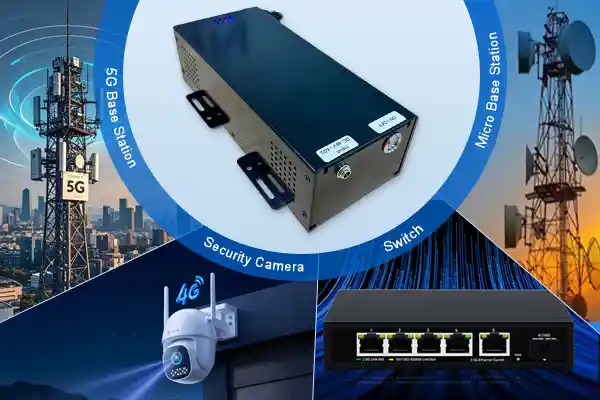
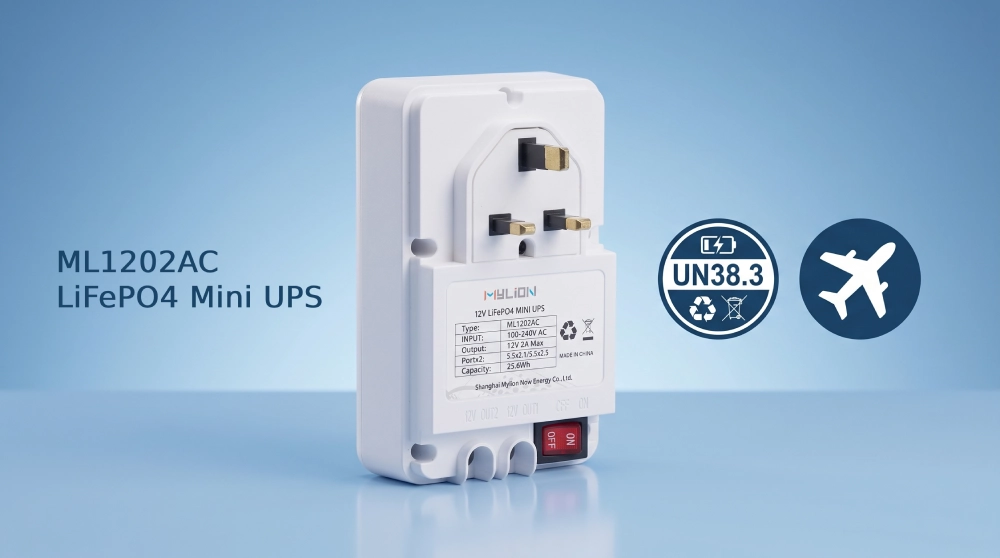
Todos los modelos de SAI Mylion Mini Incluye sistema de gestión de batería (BMS) integrado con protección contra sobrecarga, sobredescarga, sobrecorriente, cortocircuitos y temperaturas extremas. Certificaciones: CE, FCC, RoHS, UN38.3, MSDS.
Mylion también ofrece servicios de personalización OEM/ODM (enchufes, voltajes, carcasas y marca) para proveedores de servicios de Internet, integradores de sistemas y distribuidores a nivel mundial.
Aplicaciones prácticas de las soluciones mini UPS de Mylion LiFePO4
El LiFePO4 es ideal para aplicaciones que exigen larga vida útil, seguridad y fiabilidad.
- Operadores de telecomunicaciones y proveedores de servicios de Internet: La implementación de unidades Mylion LiFePO4 Mini UPS en el lado del abonado mantiene activos los ONT y enrutadores FTTH durante 8 a 12 horas durante los cortes de energía.
- Sistemas de seguridad y vigilancia: Proporcionar alimentación de CC continua y estable a las cámaras de CCTV y a los paneles de control de acceso, garantizando que la seguridad física nunca se vea comprometida por apagones.
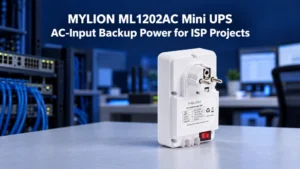
- Red miequipo: Las unidades mini UPS ML1202AC LiFePO4 compactas protegen routers, ONT/ONU, cámaras IP y gateways.
- IoT industrial: La estabilidad térmica permite que las unidades Mylion alimenten de forma segura los sensores periféricos en entornos industriales hostiles y de alta temperatura donde las baterías tradicionales fallan.
En todos estos casos, el LiFePO4 proporciona una batería de respaldo fiable y sin mantenimiento durante años.
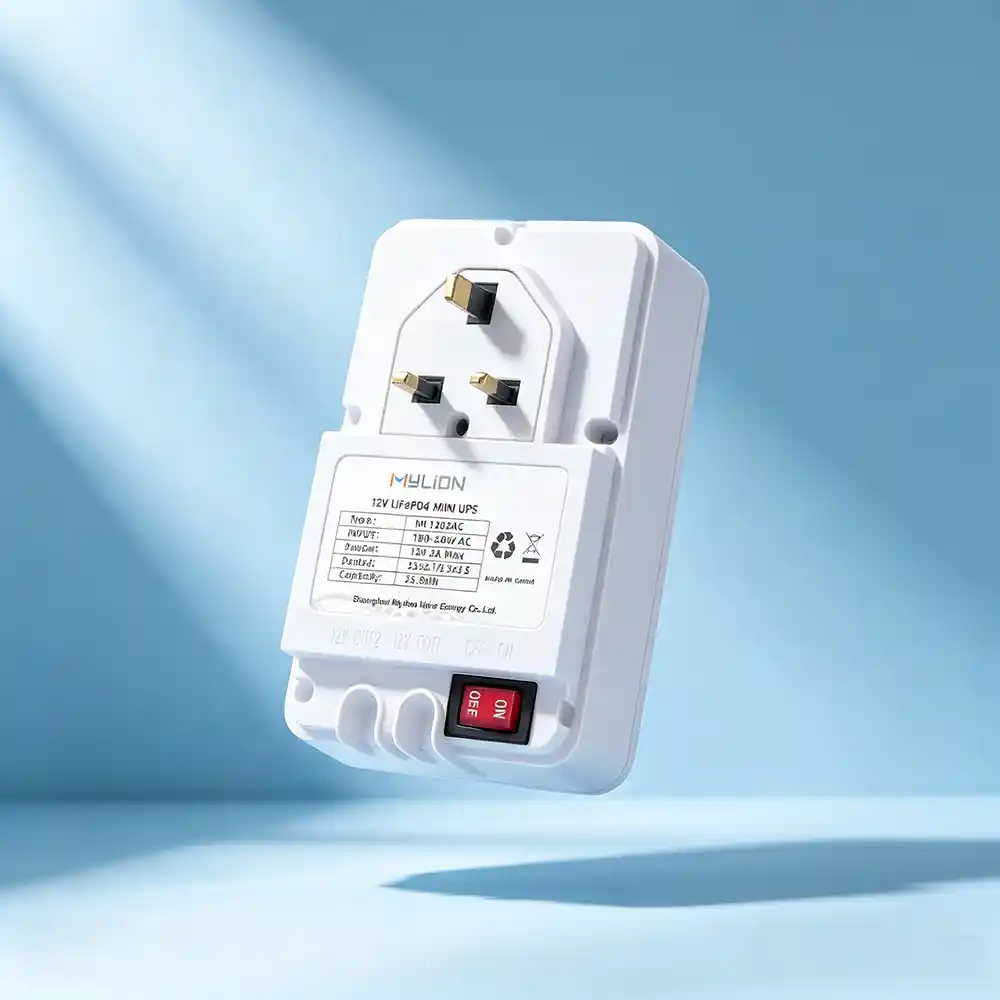
Mini UPS ML1202AC
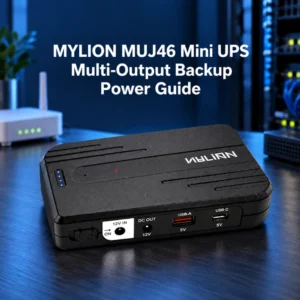
Mini SAI MU248
Cuándo NO elegir LiFePO4
El LiFePO4 no es perfecto para todos los escenarios. Considere estas limitaciones:
- Aplicaciones con limitaciones de espacio:Una menor densidad energética que la de NMC implica baterías más grandes. Si el tamaño es un factor crítico, NMC podría ser mejor.
- Frío extremo (<0 °C):Las baterías de LiFePO4 suelen dejar de cargarse por debajo del punto de congelación a menos que se calienten. Las baterías NMC toleran mejor el frío.
- Uso muy ocasional y de baja potencia:Si solo necesita una batería de respaldo una vez al año, el costo inicial puede ser más difícil de justificar, aunque el costo total de propiedad sigue favoreciendo a LiFePO4 a largo plazo.
- Presupuesto inicial ajustado:Si el único criterio es la inversión de capital, las baterías de plomo-ácido parecen más baratas, pero esto ignora los costes operativos a largo plazo.
Preguntas frecuentes
P1: ¿Es seguro el LiFePO4 para gabinetes de telecomunicaciones pequeños y cerrados?
P2: ¿Cuántos ciclos ofrece el LiFePO4?
P3: ¿Es el LiFePO4 más seguro que el NMC o el plomo-ácido?
P4: ¿Se puede utilizar LiFePO4 en interiores?
P5: ¿Cuál es la capacidad útil del LiFePO4?
P6: ¿Qué aplicaciones se adaptan mejor al LiFePO4?
P7: ¿Con qué rapidez se recarga el LiFePO4?
Conclusión
En el sector B2B, la continuidad de la red es innegociable. LiFePO4 Ha eclipsado definitivamente a las alternativas tradicionales de plomo-ácido y de iones de litio estándar gracias a una vida útil inigualable, seguridad térmica y un bajo coste total de propiedad.
Productos como el Mi león LiFePO4 Mini UPS Esta serie de estudios demuestra que el LiFePO4 se puede integrar en soluciones de respaldo compactas y confiables para equipos de telecomunicaciones, IoT, redes y equipos industriales.
 Español
  English
  简体中文
简体中文  Deutsch
  Français
  Italiano