
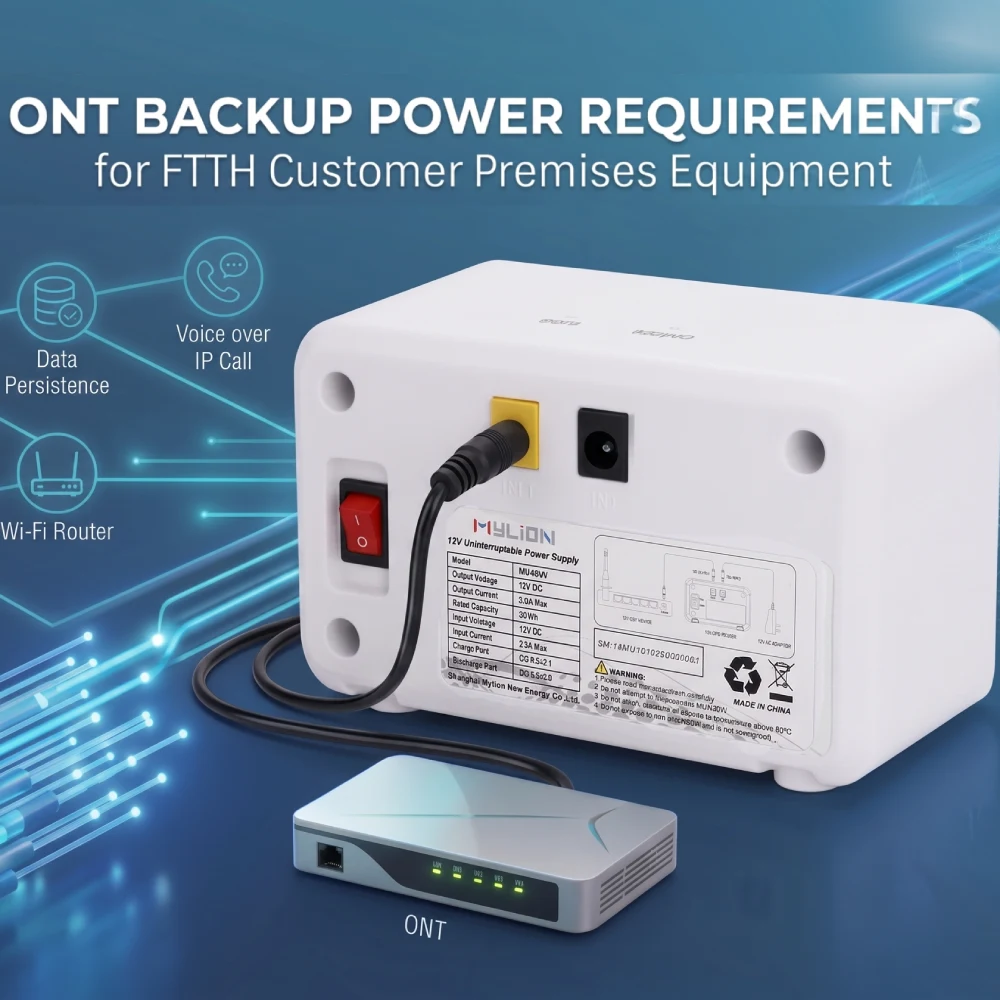
Introduzione: Il rischio nascosto nell'alimentazione di backup del gateway
La rapida espansione delle reti FTTH ha rivoluzionato l'accesso a banda larga, offrendo una larghezza di banda senza precedenti e una bassa latenza. Tuttavia, a differenza dei tradizionali circuiti PSTN, che trasportavano energia a bassa tensione dalla centrale, l'architettura FTTH si basa su apparecchiature elettroniche attive (ONT) situate direttamente presso la sede del cliente.
Quando la rete elettrica locale CA si interrompe, la connessione in fibra si spegne, rendendo non disponibili i servizi voce e dati. Questo articolo esplora i requisiti tecnici per una connessione robusta. alimentazione di backup ONT e perché l'impiego di livello professionale Soluzioni Mini UPS è ormai una componente imprescindibile delle moderne infrastrutture di rete.
Comprendere l'architettura FTTH e il ruolo fondamentale dell'ONT
Il cambio di paradigma
Nell'era tradizionale dei cavi in rame, la compagnia telefonica forniva sia il segnale che l'alimentazione. Persino in caso di interruzione della rete locale, un telefono standard con cavo in rame rimaneva funzionante perché riceveva l'alimentazione dalla centrale telefonica. La FTTH (Fiber to the Home) cambia radicalmente questa topologia. I cavi in fibra ottica non conducono elettricità. Pertanto, il dispositivo di controllo remoto (ONT) richiede una fonte di alimentazione locale.
Ambito di applicazione della CPE
Il CPE si è evoluto in un ecosistema complesso. In genere include l'ONT (che converte i segnali ottici in Ethernet/VoIP), un gateway Wi-Fi residenziale e spesso adattatori VoIP separati. Quando si verifica un'anomalia di alimentazione, tutti questi dispositivi ne risentono. Senza un sistema di backup a batteria locale, l'abbonato perde non solo i servizi di intrattenimento, ma anche le essenziali funzionalità di comunicazione.
Perché l'alimentazione di backup è importante per ONT
Linee di emergenza e E911
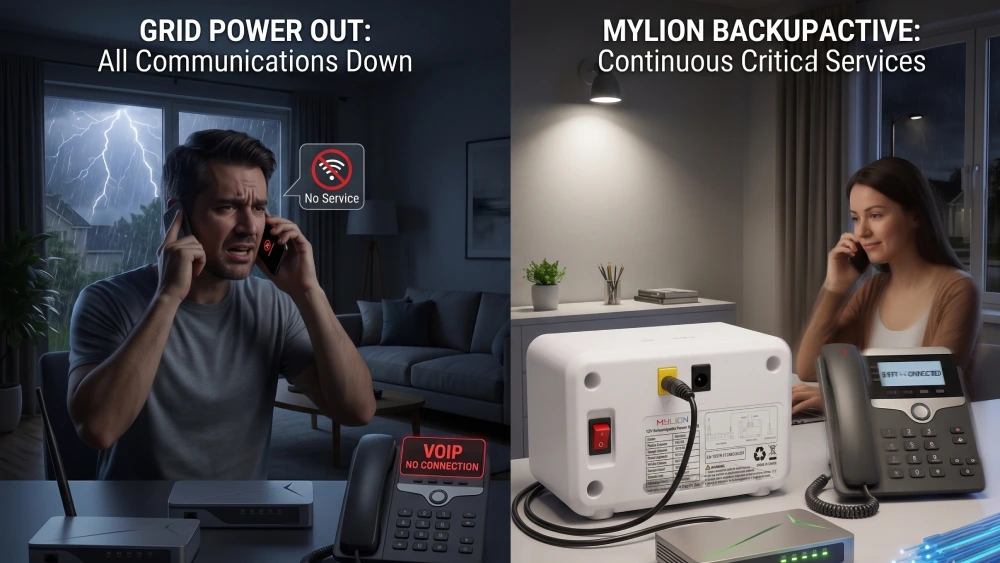
I fornitori di servizi sono sempre più vincolati da normative, come i requisiti della FCC relativi alla disponibilità del servizio di emergenza E911. Se un cliente non può accedere ai servizi di emergenza durante un'interruzione di corrente dovuta a un guasto della rete, le implicazioni in termini di responsabilità e sicurezza sono gravi. Fornire un'alimentazione di riserva significa essenzialmente garantire la sicurezza.
Continuità operativa e lavoro da remoto
Per i clienti B2B, la posta in gioco è ancora più alta. Un'interruzione di corrente localizzata può innescare una sequenza di riavvio in un ONT che impiega diversi minuti per stabilire una connessione con l'OLT (Optical Line Terminal) della centrale. In un ambiente di lavoro o aziendale da remoto, questo tempo di inattività si traduce in perdita di produttività, interruzione delle connessioni VPN e interruzioni delle chiamate VoIP.
Protezione dell'hardware
L'alimentazione di rete è raramente "pulita". Calo di tensione, cali di tensione e picchi di alta tensione sono comuni nelle reti elettriche obsolete. Un ONT, essendo un componente di rete sensibile, è altamente suscettibile a queste fluttuazioni. Un'erogazione di tensione costante non solo previene i riavvii, ma prolunga anche la durata operativa dell'hardware riducendo lo stress sui componenti interni dell'alimentatore.
Requisiti tecnici fondamentali per le soluzioni di alimentazione di backup ONT
Quando si valuta soluzioni di backup per FTTHLe specifiche tecniche devono andare oltre la semplice capacità.
Precisione e compatibilità della tensione
La maggior parte degli ONT opera su 12 V CC, sebbene alcuni modelli più vecchi o specifici di livello carrier possano richiedere 9V o diverse polarità del connettore cilindrico. Una soluzione di backup affidabile deve offrire una tensione di uscita precisa e stabilizzata. Le fluttuazioni della tensione di uscita durante la scarica della batteria possono causare instabilità o danni all'hardware.
Metriche di capacità e tempo di esecuzione
Lo standard di riferimento per i sistemi di backup residenziali è generalmente definito dalla necessità di garantire l'erogazione dei servizi per un periodo compreso tra 4 e 8 ore. Per calcolare questo valore, è necessario considerare il consumo energetico (in Watt) del dispositivo CPE. Consumo energetico dell'ONTTipicamente da 5W a 15W. Per una pianificazione accurata del tempo di funzionamento, i provider di servizi Internet (ISP) dovrebbero misurare il consumo energetico effettivo del dispositivo anziché affidarsi esclusivamente alle specifiche dell'adattatore, poiché il consumo reale spesso differisce dalle indicazioni riportate sull'etichetta.
Evoluzione della chimica delle batterie
Ioni di litio e LiFePO4: Queste batterie offrono una densità energetica superiore, una durata del ciclo di vita molto più lunga (spesso oltre 1000 cicli) e una migliore stabilità a temperatura ambiente. Il LiFePO4, in particolare, è preferito per il suo profilo di sicurezza migliorato e la sua stabilità termica.
Gestione intelligente dell'energia
Un sistema ideale comprende un “Zero milliseconditempo di trasferimento. Quando la corrente di rete diminuisce, il passaggio alla batteria deve essere istantaneo. Qualsiasi ritardo provoca il riavvio dell'ONT, vanificando lo scopo del backup. Inoltre, i sistemi integrati di gestione della batteria (BMSsono essenziali per prevenire sovraccarico, scarica eccessiva e cortocircuito.
Mini UPS DC: la soluzione moderna per l'alimentazione di backup ONT
Perché i mini UPS a corrente continua (CC) superano le prestazioni dei tradizionali UPS a corrente alternata (CA)
I tradizionali gruppi di continuità (UPS) a corrente alternata (AC) eseguono un processo di doppia conversione: prelevano la corrente alternata dalla rete elettrica, la convertono in corrente continua (CC) per l'accumulo a batteria e la riconvertono in corrente alternata per alimentare i dispositivi. Questo processo genera intrinsecamente spreco termico e perdita di energia.
Al contrario, un mini UPS in corrente continua (DC) accetta un ingresso in corrente alternata (AC), lo immagazzina come corrente continua (DC) e lo eroga direttamente all'hardware di telecomunicazione. Questa architettura offre diversi vantaggi:
Caratteristica | UPS AC tradizionale | Mini UPS CC |
Efficienza | Basso (conversioni multiple CA/CC) | Alta (conversione diretta CC-CC, 90-95%) |
Fattore di forma | Ingombrante, richiede spazio a terra | Compatto, montabile a parete |
Durata della batteria | 2–3 anni (acido al piombo) | 5–10 anni (Li-ion/LiFePO₄) |
Manutenzione | Alto (test periodici) | Manutenzione zero (plug & play) |
Costo per abbonato | Alto ($100+) | Basso/ottimizzato per il volume |
Un percorso di backup diretto da CC a CC elimina le conversioni non necessarie, migliorando l'efficienza fino a 25% e prolungando la durata della batteria rispetto alle alternative basate su corrente alternata.
Soluzioni Mylion Mini UPS per alimentazione di backup ONT
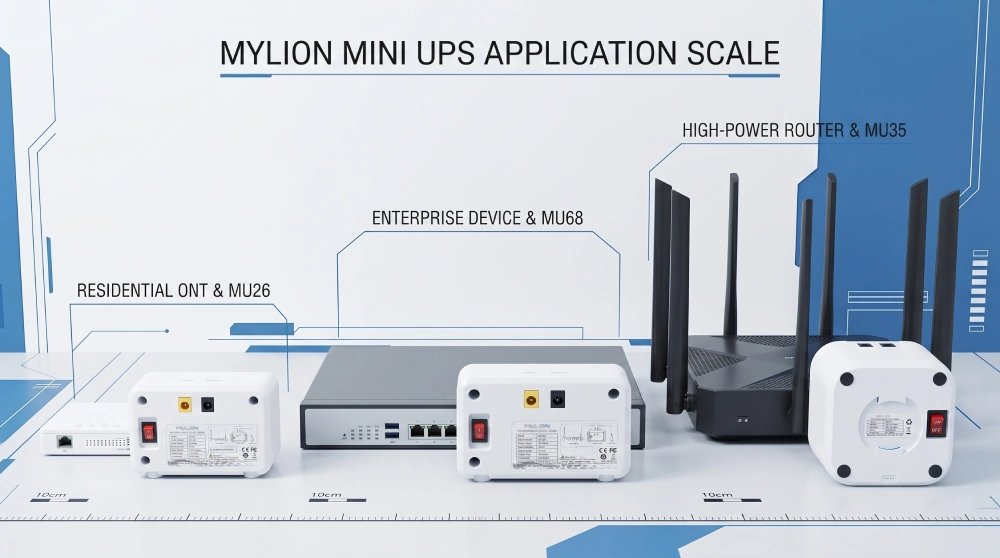
Mylion offre una gamma completa di Soluzioni Mini DC UPS Progettate specificamente per applicazioni di backup su ONT, ONU, router e CPE. Queste soluzioni supportano uscite CC a 5 V, 9 V, 12 V e 24 V, coprendo le esigenze di alimentazione della stragrande maggioranza dei dispositivi router, CPE, ONT e ONU.
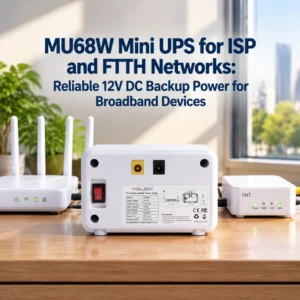
MU68 Mini UPS – Lo standard per il backup ONT/ONU
Il MU68 è progettato specificamente per router, ONT, ONU, modem e altri piccoli dispositivi di rete.
- Uscita: 12 V CC, 3 A max.
- Capacità della batteria: 68 Wh
- Tempo di trasferimento: 0 ms (tempo di trasferimento zero)
- Materiale della cassa: ABS ignifugo
Il mini UPS MU68 "È generalmente il miglior punto di partenza per le applicazioni di backup standard con ONT, ONU e gateway in fibra ottica a 12 V".
MU35 Mini UPS – Applicazioni ad alta potenza
Per router, gateway e dispositivi WiFi 6/7 ad alto carico, il MU35 offre:
- Uscita: 12V/5A
- Capacità della batteria: 77,7 Wh
- Tempo di trasferimento: 0 ms (tempo di trasferimento zero)
- Materiale della custodia: involucro in ABS ignifugo
Il MU35 Mini-UPS è "il cavallo di battaglia ideale per gateway ad alta potenza, router WiFi 6/7 e ONT multiporta che richiedono un'uscita continua di 12 V/5 A".
MU26 Mini UPS – Soluzione compatta di livello base
Per i dispositivi a banda larga standard con requisiti di alimentazione inferiori, il MU26 offre:
- Uscita: 12 V CC, 3 A max.
- Capacità della batteria: 68 Wh
- Tempo di trasferimento: 0 ms (tempo di trasferimento zero)
- Materiale della cassa: ABS ignifugo
Il MU26 Mini-UPS è "la soluzione compatta di base per il backup a basso consumo di ONT, ONU, router e modem".
MUC85 – Opzione USB-C/PD per dispositivi di nuova generazione
Per i nuovi prodotti a banda larga con supporto USB-C Power Delivery:
- Ingresso e uscita USB-C PD 65W
- Supporta 5V/9V/12V/15V/20V
- Capacità della batteria: 92 Wh
- Tempo di trasferimento: 0 ms (tempo di trasferimento zero)
- Protezioni BMS intelligenti
Il MUC85 Mini-UPS è "la scelta ideale per il futuro, per ONT e CPE a banda larga di nuova generazione con porte USB-C PD".

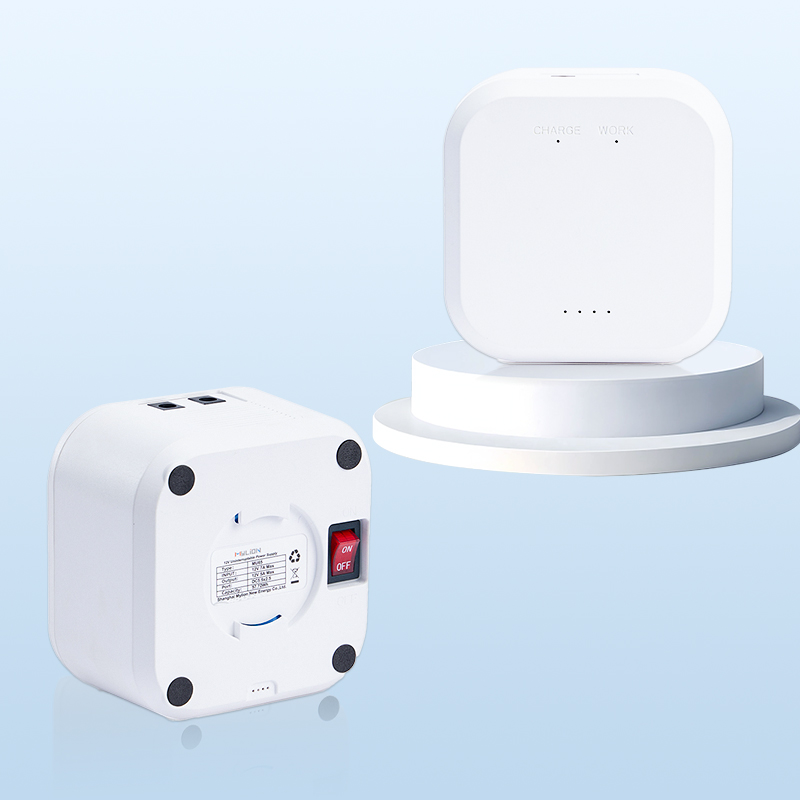
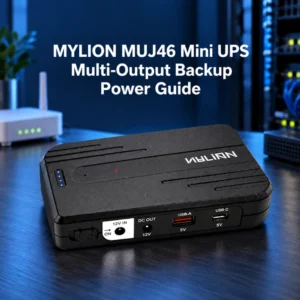
Mini gruppo di continuità MU68
Mini UPS MU35
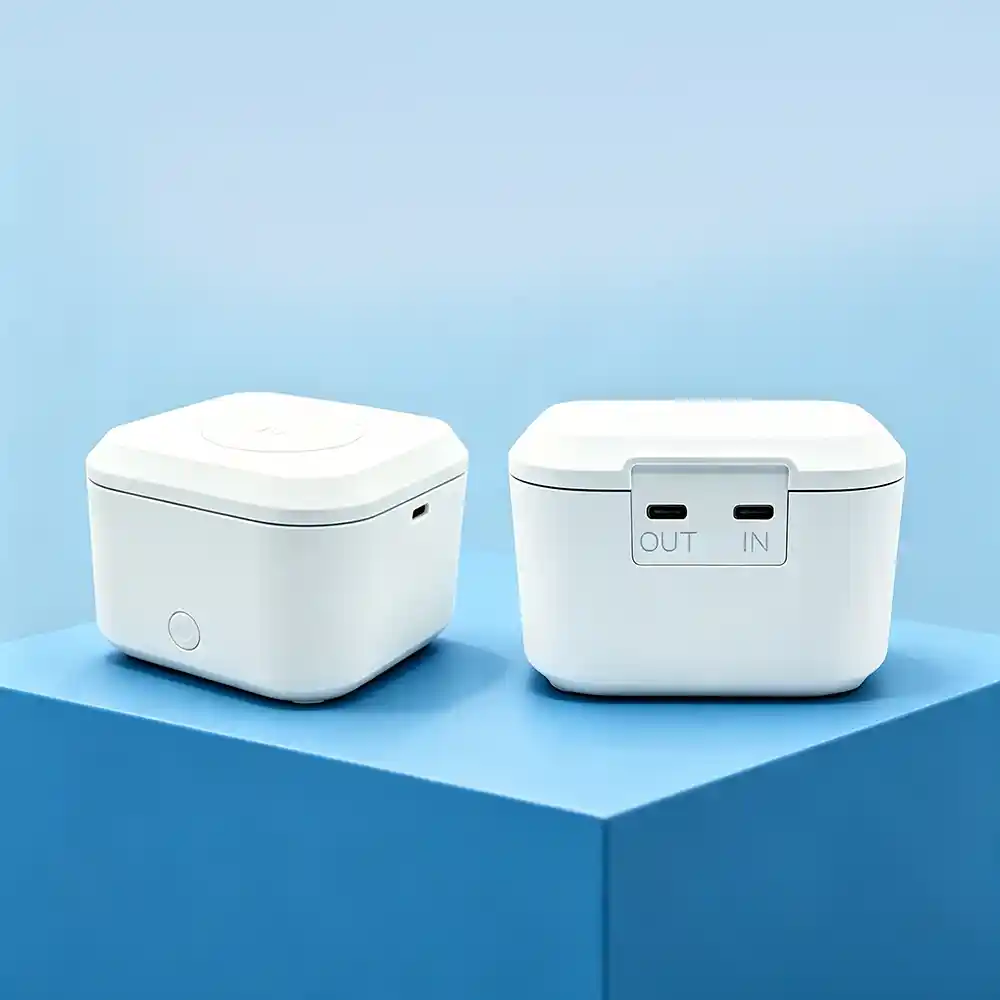
Mini UPS MUC85
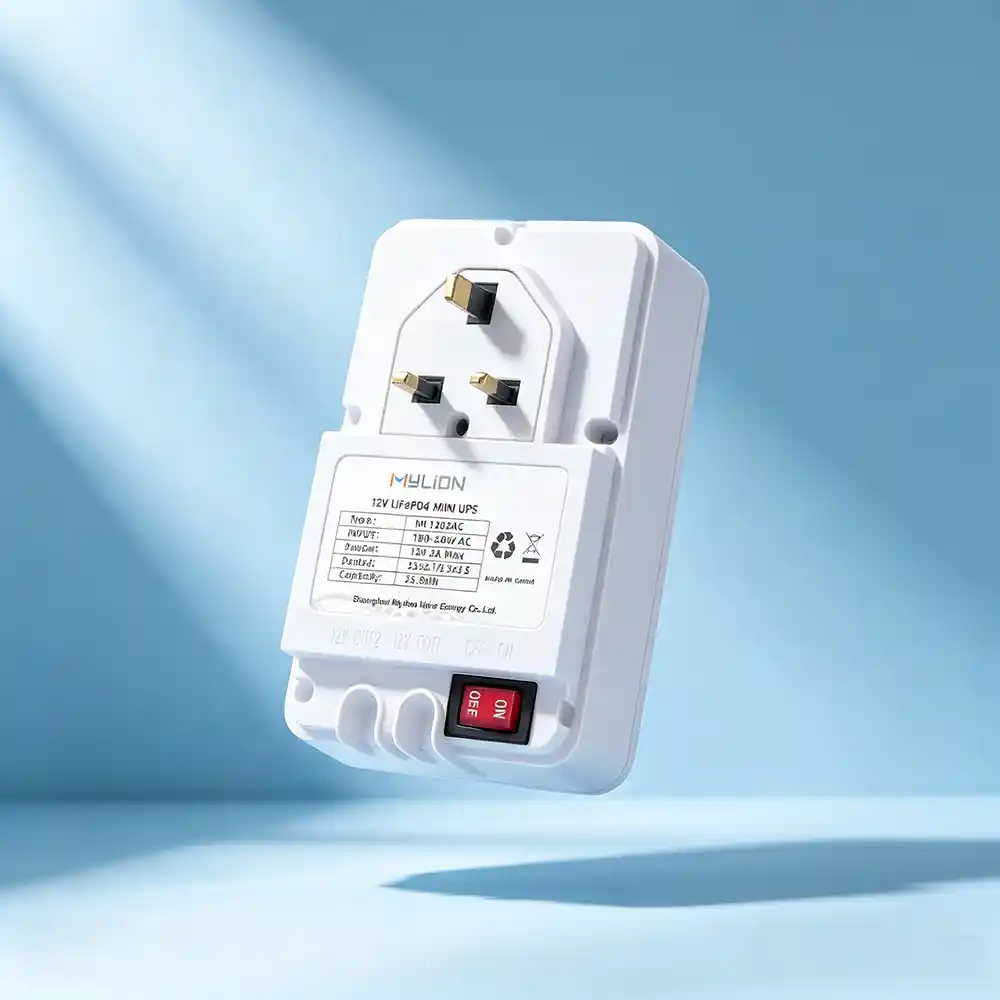
ML1202AC Mini UPS
Come MYLION supporta l'alimentazione di backup FTTH
Mylion si è affermata come leader nelle soluzioni di alimentazione specializzate per il settore delle telecomunicazioni. La gamma di Mini UPS di Mylion è progettata specificamente per colmare il divario tra l'interruzione della rete elettrica e la continuità operativa della rete.
Funzionalità avanzate
- BMS intelligente:Le unità Mylion sono dotate di circuiti avanzati che gestiscono il bilanciamento delle celle e prevengono i guasti più comuni delle batterie, garantendo che l'unità sia pronta nel momento stesso in cui si verifica un'interruzione di corrente.
- Supporto multivoltaggio:Consapevole che le configurazioni CPE spesso includono un ONT e un router, Mylion offre configurazioni di uscita flessibili. Alcuni modelli offrono uscite USB simultanee da 12 V, 9 V e 5 V, consentendo a una singola unità di alimentare l'intera rete.
- Fattore di forma compatto:Questi dispositivi sono discreti, montabili a parete e si integrano esteticamente con l'arredamento residenziale, aumentando la probabilità di adozione da parte dei clienti.
Proposta di valore per gli ISP
Per gli operatori di rete e gli ISP, l'implementazione delle soluzioni Mylion trasforma l'esperienza dell'abbonato:
- Riduzione del tasso di abbandono: I clienti che mantengono la connessione internet durante le interruzioni di servizio sono significativamente più soddisfatti del proprio fornitore di servizi.
- Sostegno inferiore in altezza:Un minor numero di richieste di assistenza per problemi di connessione internet durante le anomalie della rete si traduce in una riduzione dei costi operativi.
- Fonti di reddito secondarie:Molti provider di servizi Internet (ISP) offrono con successo le unità Mylion Mini UPS come servizio a valore aggiunto, creando un'opportunità di vendita aggiuntiva redditizia che migliora al contempo l'affidabilità della rete.
Domande frequenti
D1: Qual è la tensione richiesta dalla maggior parte dei dispositivi ONT?
D2: Quanta energia consuma in genere un ONT?
D3: Per quanto tempo un Mini UPS può alimentare un ONT durante un'interruzione di corrente?
D4: Che cos'è il tempo di trasferimento zero e perché è importante?
D5: Un mini UPS può alimentare contemporaneamente un ONT e un router?
D6: Come si confrontano le batterie agli ioni di litio/LiFePO₄ con quelle al piombo-acido per l'alimentazione di emergenza?
Conclusione
Poiché la banda larga sta diventando essenziale quanto l'elettricità, la dipendenza da un'alimentazione elettrica stabile per le reti in fibra ottica è di fondamentale importanza. La vulnerabilità della FTTH alle interruzioni di corrente localizzate rappresenta una sfida tecnica che può essere efficacemente mitigata attraverso una progettazione intelligente.
Distribuzione soluzioni di backup di livello professionale, come ad esempio il Mylion Mini UPS. È un requisito fondamentale per mantenere una progettazione di rete ad alta disponibilità, rispettare gli SLA e garantire che, in caso di interruzione della rete elettrica, la connessione rimanga attiva.
 Italiano
  English
  简体中文
简体中文  Deutsch
  Français
  Español