
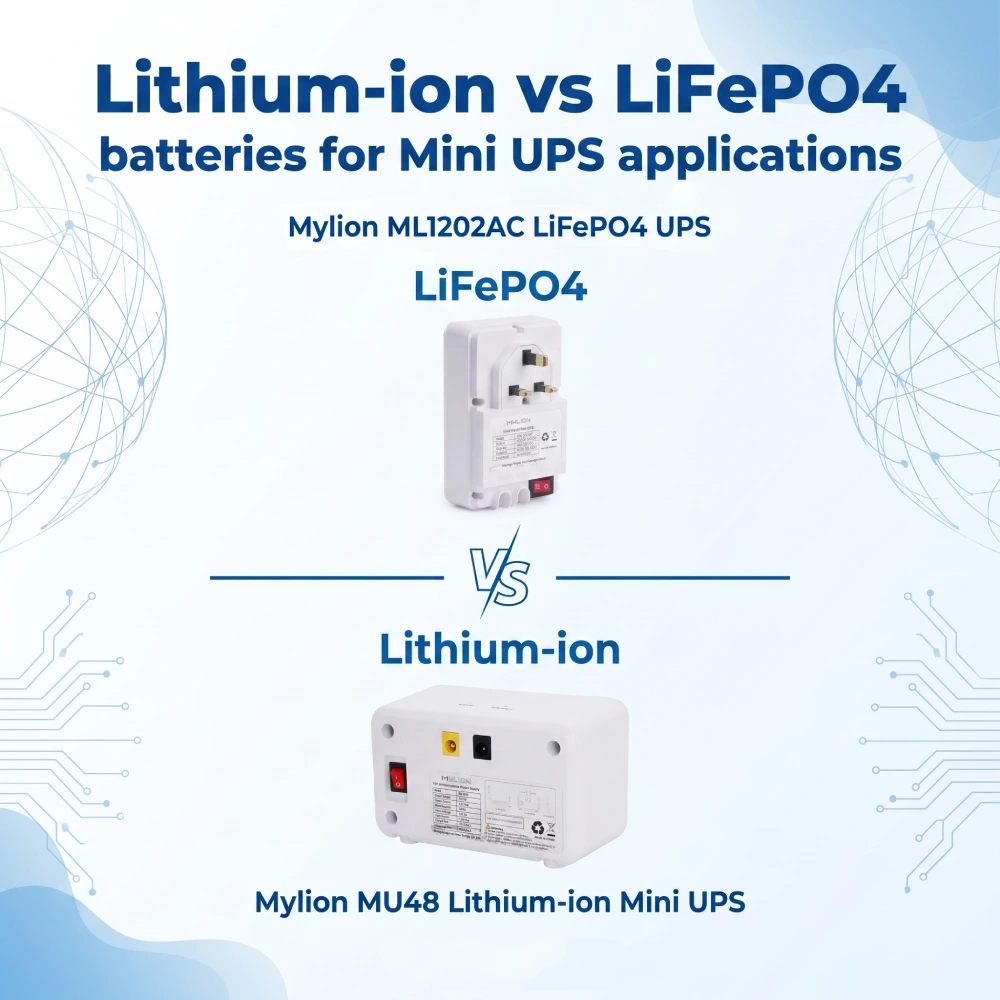
Von weitverzweigten Telekommunikationsnetzen und FTTH-Infrastruktur bis hin zu IoT-Implementierungen am Netzwerkrand hat die Aufrechterhaltung einer stabilen, kontinuierlichen Stromversorgung die strategische Bedeutung der Mini-USV.
Zwei Lithium-basierte Akkutypen dominieren heute den Markt für Mini-USV-Anlagen: Standard-Lithium-Ionen-Akkus (typischerweise NMC oder LCO) und Lithium-Eisenphosphat-Akkus (LiFePO4). Allerdings sind nicht alle Lithium-Akkus gleich. Für Netzbetreiber, Internetdienstanbieter und Systemintegratoren ist es daher wichtig, die feinen Unterschiede zu verstehen. Batteriechemie ist der Schlüssel zur Minimierung der Gesamtbetriebskosten (TCO) und zur Vermeidung von Netzwerkausfallzeiten.
Dieser Artikel untersucht den technologischen Kampf zwischen Standard Lithium-Ionen Und LiFePO4 Chemische Zusammensetzungen werden erläutert, um zu verdeutlichen, warum bestimmte Anwendungen unterschiedliche Stromversorgungsarchitekturen erfordern. Am Ende wissen Sie genau, welche chemische Zusammensetzung für Ihre nächste Notstromlösung geeignet ist.
Die entscheidende Rolle der Batteriechemie in Mini-USV-Systemen
Eine DC-USV dient als letzte Verteidigungslinie gegen Stromnetzschwankungen. Im Gegensatz zu herkömmlichen AC-USV-Systemen… Mini-DC-USV ist speziell dafür entwickelt worden, gezielten Niederspannungs-Gleichstrom (DC) direkt an kritische Zugangsgeräte zu liefern – wie zum Beispiel ONTs, Last, Breitbandrouter, Und Remote-IoT-Gateways.
Diese Geräte befinden sich häufig in unüberwachten Umgebungen, von heißen Telekommunikationsgehäusen im Freien bis hin zu beengten Verteilerkästen. Die Wahl der falschen Batterietechnologie für diese Bedingungen kann zu Folgendem führen:
- Akkuaufblähung und physische Schäden.
- Vorzeitiger Kapazitätsverlust.
- Gefährliche thermische Ereignisse oder Verbrennung.
- Vollständiger Stromausfall während eines kritischen Ausfalls.
Entscheidungsträger müssen die chemischen Eigenschaften einer Batterie sorgfältig gegen die Realitäten ihres Einsatzumfelds abwägen.
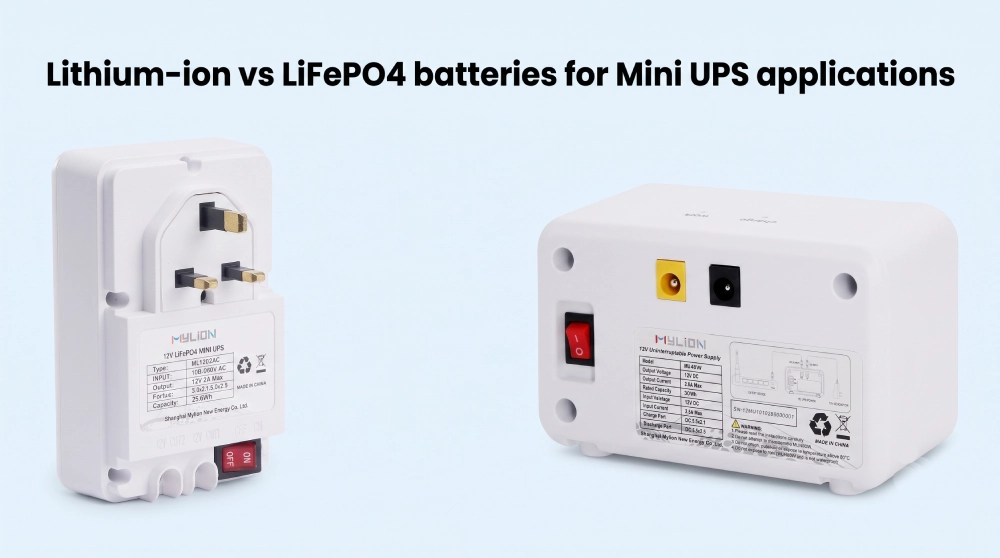
Was ist ein Standard-Lithium-Ionen-Akku (Li-Ion)?
Wenn in der Branche von „Lithium-Ionen“-Akkus die Rede ist, sind damit in der Regel Nickel-Mangan-Kobalt-Akkus (NMC) oder Lithium-Kobalt-Oxid-Akkus (LCO) gemeint. Es handelt sich dabei um dieselben Hochleistungszellen, die auch in Smartphones und Elektrofahrzeugen zum Einsatz kommen.
Die Wissenschaft
Die Standard-Lithium-Ionen-Chemie zeichnet sich durch eine außergewöhnliche Energiedichte aus. Die Kobalt-Nickel-Struktur speichert eine enorme Energiemenge auf kleinstem Raum, wodurch Lithium-Ionen-USV-Anlagen extrem kompakt sind.
Primäre Stärken
- Hohe Energiedichte: Bietet maximale Backup-Laufzeit in einem kleinen Gehäuse.
- Gewichtsreduktion:Extrem leicht, was einen effizienten Versand und eine einfache Installation ermöglicht.
- Schnelle Entladeraten: Fähig zur Abgabe kurzer, hoher Stromimpulse.
Was ist LiFePO4 (Lithium-Eisenphosphat)?
LiFePO4 Lithium-Eisenphosphat (Lithium-Eisenphosphat) ist ein sichererer Lithium-Ionen-Typ, der Eisenphosphat als Kathode verwendet. Diese chemische Zusammensetzung wurde speziell für hohe Belastbarkeit, Sicherheit und Zuverlässigkeit im stationären Betrieb entwickelt.
Die Wissenschaft
Die Eisenphosphat-Kathode zeichnet sich durch eine äußerst robuste kovalente Bindungsstruktur aus. Selbst bei starker Hitze, Kurzschlüssen oder schweren Beschädigungen setzt die Zelle keinen Sauerstoff frei. Dadurch ist LiFePO4 praktisch unempfindlich gegen Verbrennung.
Primäre Stärken
- Außergewöhnliche Sicherheit:Unübertroffene thermische Stabilität für risikoreiche, unüberwachte Umgebungen.
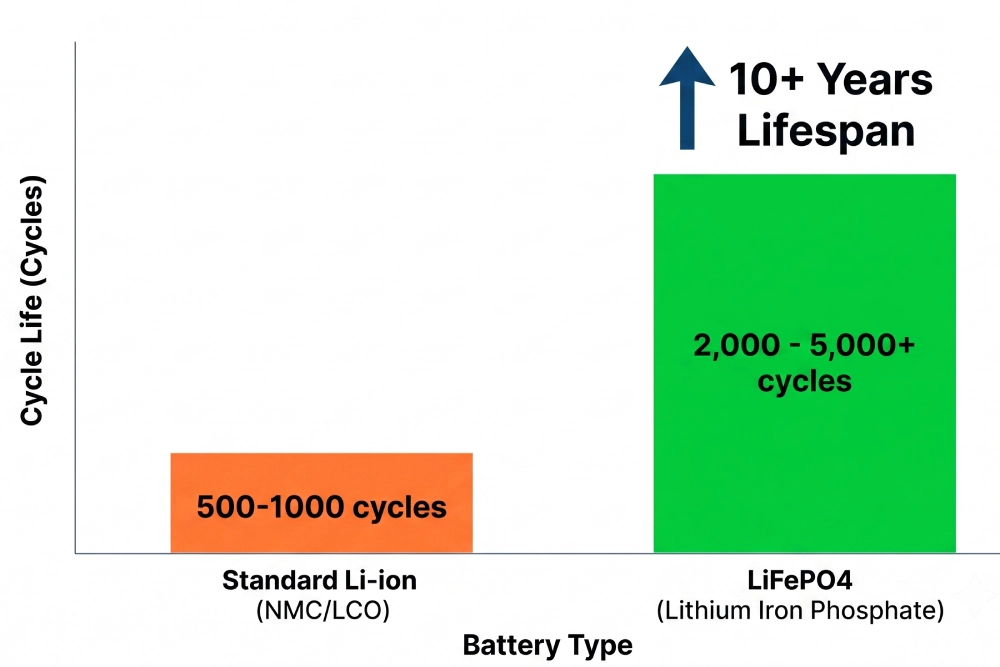
- Massiver Lebenszyklus:Erreicht problemlos 2.000 bis 5.000+ Ladezyklen und hält bis zu einem Jahrzehnt.
- TTemperaturtoleranz:Funktioniert zuverlässig auch unter extremen Witterungsbedingungen im Freien.
- Konstante Ausgabe:Versorgt angeschlossene Router mit einer stabilen Spannung, bis der Akku fast leer ist.
Direkter Vergleich: LiFePO4 vs. Standard-Li-Ionen-Akkus
1. Sicherheit (nicht verhandelbar)
Bei einem Gerät, das rund um die Uhr in Betrieb ist, ist Sicherheit unerlässlich.
LiFePO4 gewinnt eindeutig. Die Schwelle für ein thermisches Durchgehen beträgt ~270°C, im Vergleich ~150°C für Standard-Lithium-Ionen-Akkus. LiFePO4 wird betrachtet praktisch nicht entflammbar und halten erheblicher Beanspruchung stand, ohne Feuer zu fangen. Standard-Lithium-Ionen-Akkus (insbesondere LCO) bergen hingegen ein gut dokumentiertes Brandrisiko, wenn sie beschädigt, überladen oder überhitzt werden.
Für eine unbeaufsichtigte Mini-USV, die hinter einem Router oder in einem Schrank steht, ist der Sicherheitsvorteil von LiFePO4 schlichtweg nicht verhandelbar.
2. Lebenszyklus & Langlebigkeit
Hier hebt sich LiFePO4 vollständig ab.
Parameter | LiFePO4 | Standard-Lithium-Ionen-Akku |
Lebensdauer | 2.000–5.000+ | 500–3.000 |
Kalenderleben | 8–15 Jahre | 3–10 Jahre |
Tiefenentladungstoleranz | Ausgezeichnet (80–100% DoD) | Verkürzte Lebensdauer |
Eine hochwertige LiFePO4-Batterie wird die Mini-USV selbst wahrscheinlich überdauern – oft mehr als ein Jahrzehnt bei täglichem Gebrauch.
3. Energiedichte und Formfaktor
Wenn Ihre einzige Priorität ein möglichst kleines Gerät ist, bietet der Standard-Lithium-Ionen-Akku einen leichten Vorteil. Seine höhere Energiedichte ermöglicht eine kompaktere Bauweise.
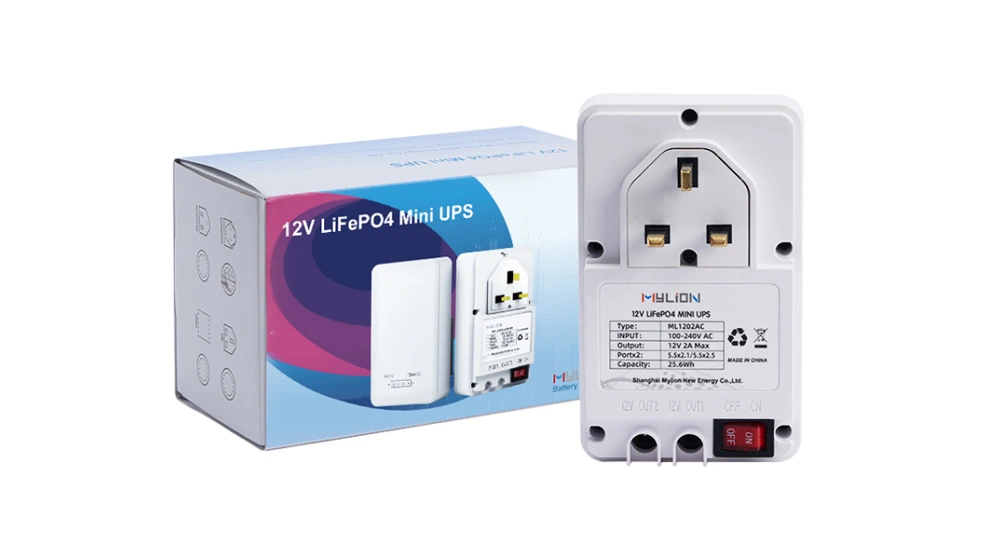
Bei Mini-USV-Anwendungen ist der Größenunterschied jedoch oft vernachlässigbar. Zum Beispiel die Mylion ML1202AC Mini-USV Wiegt mit seinem LiFePO4-Akku nur etwa 360 Gramm – ist also immer noch sehr portabel und eignet sich gut für den Schreibtisch.
4. Temperaturtoleranz
LiFePO4 arbeitet zuverlässig über einen viel breiteren Temperaturbereich (-20 °C bis 60 °C) im Vergleich zu Standard-Li-Ionen (0 °C bis 45 °CStandardmäßige Lithium-Ionen-Akkus ohne eingebaute Heizung stoppen den Ladevorgang oft unterhalb von 0 °C.
Für Überwachungskameras im Außenbereich, entfernte Telekommunikationsschränke oder unbeheizte Räume ist LiFePO4 der eindeutige Gewinner.
5. Umweltauswirkungen
LiFePO4 enthält weder Kobalt noch Nickel – Metalle, die mit gravierenden Umweltschäden und unethischem Abbau in Verbindung gebracht werden. Da es zudem 2- bis 3-mal länger hält, entsteht über ein Jahrzehnt deutlich weniger Batteriemüll. Es ist die mit Abstand umweltfreundlichere Wahl.
6. Gesamtbetriebskosten (TCO)
Vorab: Standard-Lithium-Ionen-Akkus sind in der Regel günstiger.
Langfristig gesehen ist LiFePO4 klar im Vorteil. Die höheren Anschaffungskosten werden durch die lange Lebensdauer schnell kompensiert.
Bei der Analyse von LiFePO4 im Vergleich zu Lithium-Ionen müssen die Beschaffungsteams die gesamten betrieblichen Auswirkungen und nicht nur die reine Kapazität bewerten.
Metrisch | Standard-Lithium-Ionen (NMC/LCO) | LiFePO4 (Lithium-Eisenphosphat) |
Lebensdauer | 500 – 1.000 Zyklen (2-3 Jahre) | 2.000 – 5.000+ Zyklen (7-10 Jahre) |
Sicherheitsprofil | Neigt zu thermischem Durchgehen | Äußerst stabil; keine Brandgefahr |
Energiedichte | Hoch (Sehr kompakt) | Mittel (Etwas größere Grundfläche) |
Temperaturbereich | 0 °C bis 45 °C (Innenraumklimatisierung) | -20 °C bis 60 °C (Für raue Bedingungen/Außenbereich geeignet) |
Gesamtkosten (TCO) | Niedrigere Anschaffungskosten, hohe Wiederbeschaffungskosten | Höhere Anfangskosten, hohe langfristige Einsparungen |
Umwelt | Enthält giftige Schwermetalle | Ungiftig, gut recycelbar |
Für unternehmenskritische B2B-Notstromversorgungen ist LiFePO4 die überlegene Technologie. Sie bietet im Gegenzug für absolute Betriebssicherheit und deutlich niedrigere Gesamtbetriebskosten eine geringfügig größere Baugröße.
Mylion Mini-USV-Lösungen: LiFePO4 und Lithium-Ionen
Als Spitzenreiter Mini-UPS-HerstellerMylions Produktpalette ist bewusst aufgeteilt – LiFePO4 für sicherheitskritische, langlebige Anwendungen und Lithium-Ionen für kompakte, kostengünstige Breitband-Backups.
LiFePO4-Modelle – Sicherheit und Langlebigkeit stehen an erster Stelle
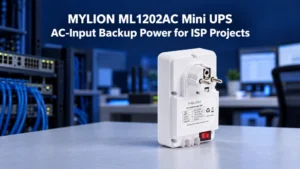
- ML1202AC– Flaggschiff-Gerät mit zwei Ausgängen (2 × 12 V/2 A) und einem 25,6-Wh-LiFePO4-Akku, direkter Netzanschluss. Ideal für ONT- und Router-Kombinationen.
- MU248– Professionelle 24V/48V Telekommunikationslösung (102,4Wh) mit einer Laufzeit von 14–17 Stunden für drahtlose CPE, Outdoor-Bridges und nicht standardmäßige DC-Geräte.
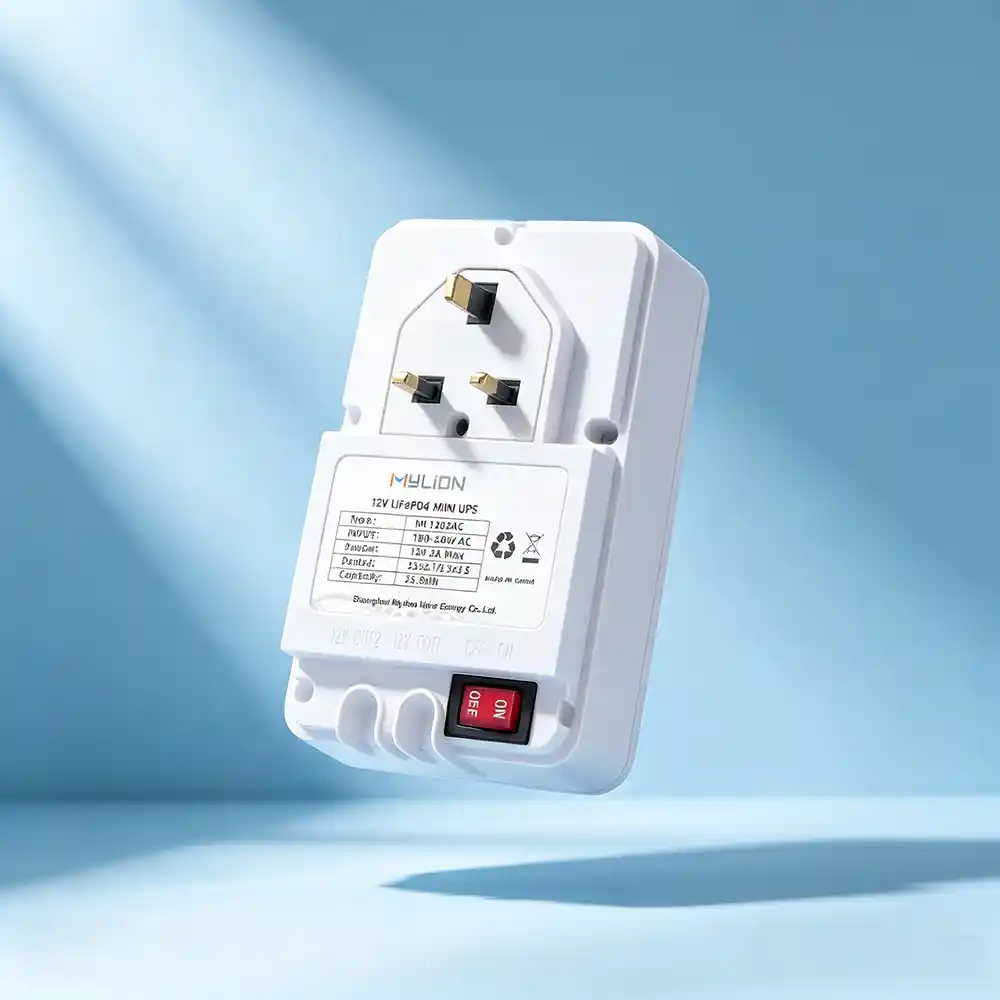
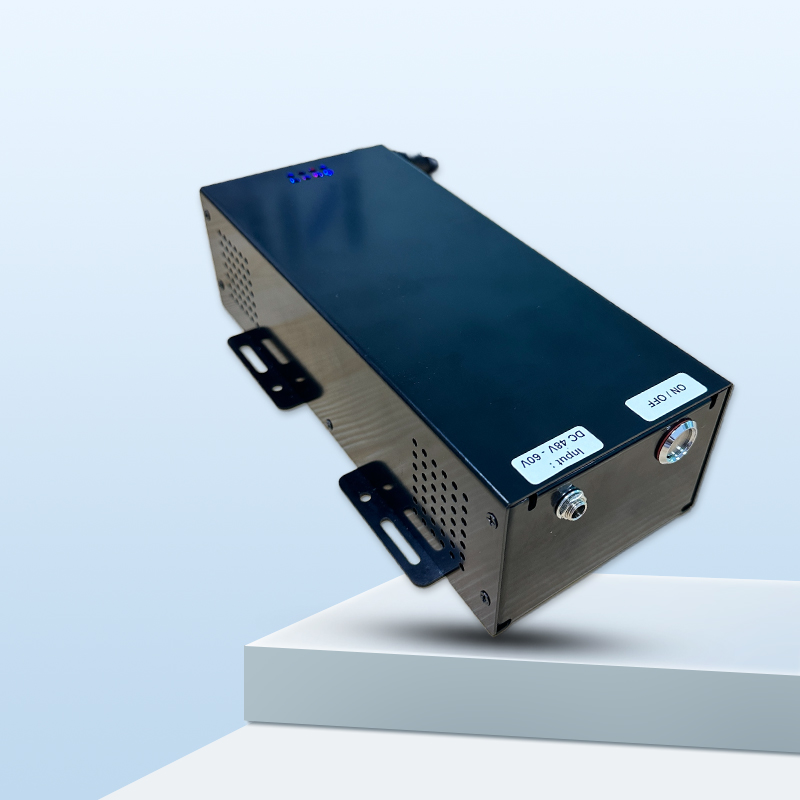
ML1202AC Mini-USV
MU248 Mini-USV
Lithium-Ionen-Modelle – Kompakt und leistungsstark für den täglichen Gebrauch
- MU68– Workhorse 12V/3A, 44,4Wh, 6–8h Laufzeit – die erste Wahl für Standard-ONT/ONU/Glasfaser-Gateways.
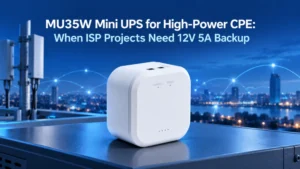
- MU35– Leistungsstarker 12V/5A-Akku, 77,7Wh, 10–13 Stunden Laufzeit – für LTE/5G-Router und hohe Netzwerklasten.
- MU48 – Vielseitig einsetzbar: 29,6 Wh, 12 V/3 A, 4–5 Stunden Laufzeit – für Router, Modems, kleine Switches, VoIP-Gateways.
- MU26 – Kompakt 19,24 Wh, 12 V/3 A, 2–3 h – ideal für Modems mit geringem Stromverbrauch und einfache FTTH-Geräte.
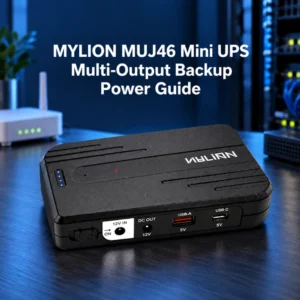
- MUJ46– Hybridgerät mit 12V/2A DC + USB-A/C Ausgängen (38,48Wh, 5–6h) – ideal für Router + USB-Zubehör.
- MUC85– USB-C PD-Modell (92Wh) mit 65W Eingangs-/Ausgangsleistung, 12–15 Stunden Laufzeit – entwickelt für WiFi 6/7 Router und USB-C Netzwerkgeräte.
Ob Sie nun die unübertroffene Ausdauer von LiFePO4 oder die Energiedichte von Lithium-Ionen schätzen, Mylion bietet eine speziell entwickelte Mini-USV für jedes Modem-, Router- und Telekommunikations-Backup-Szenario.
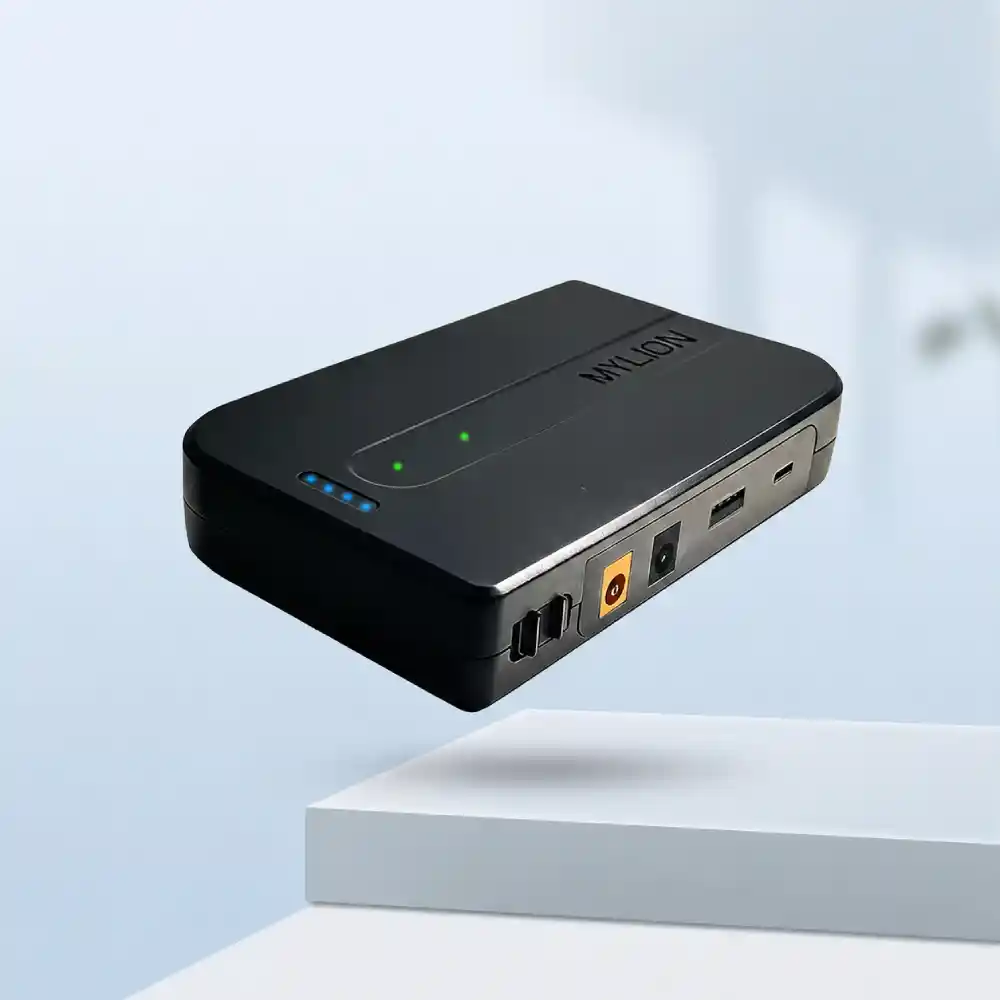
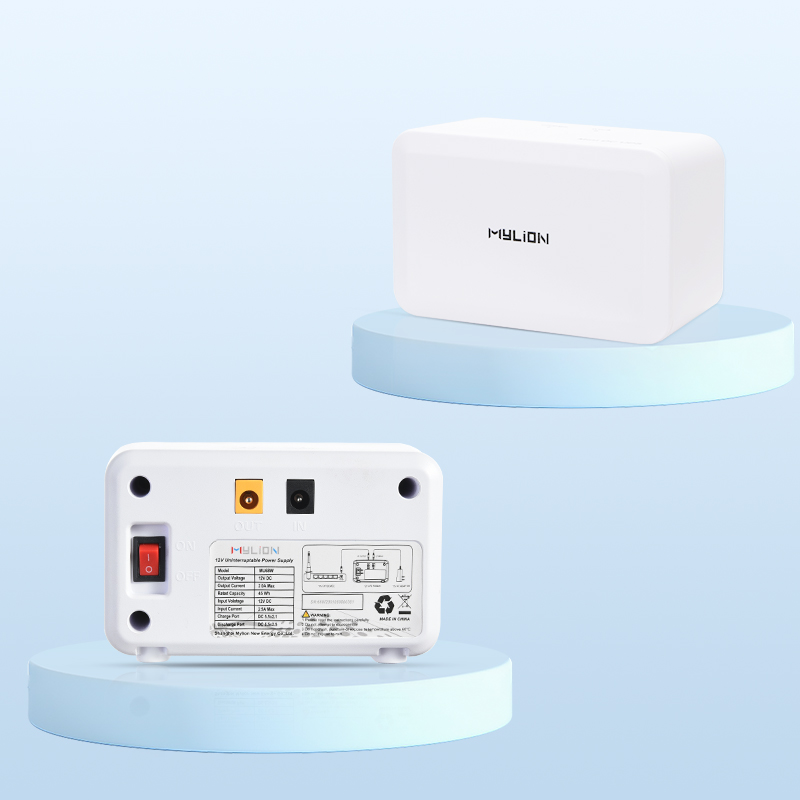
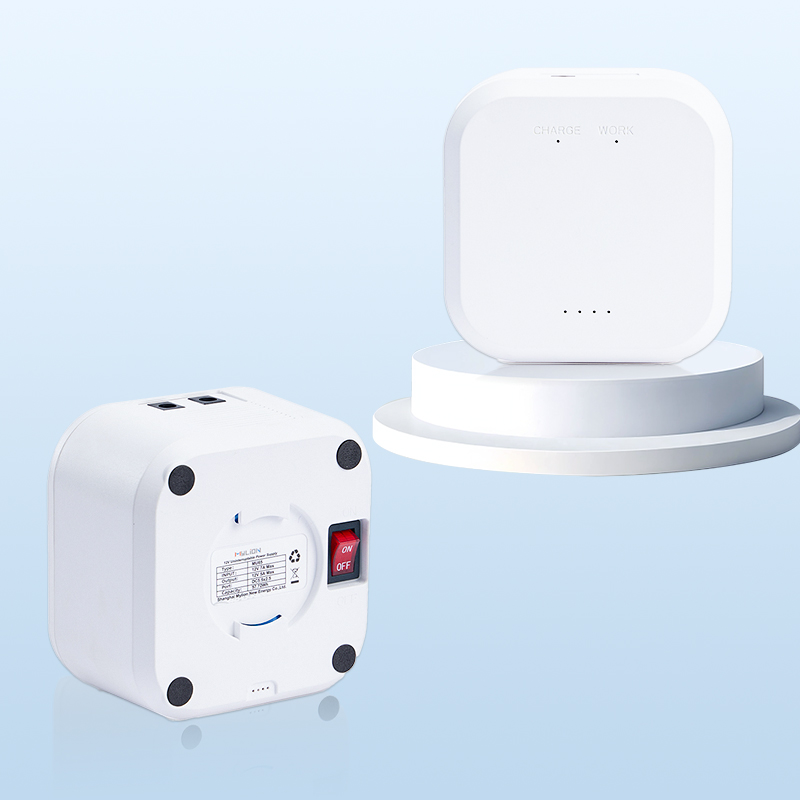
MUJ46 Mini-USV
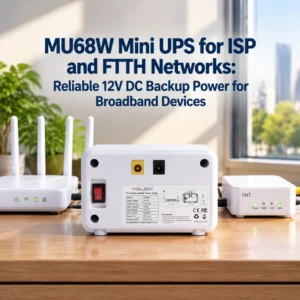
MU68 Mini-USV
MU35 Mini-USV
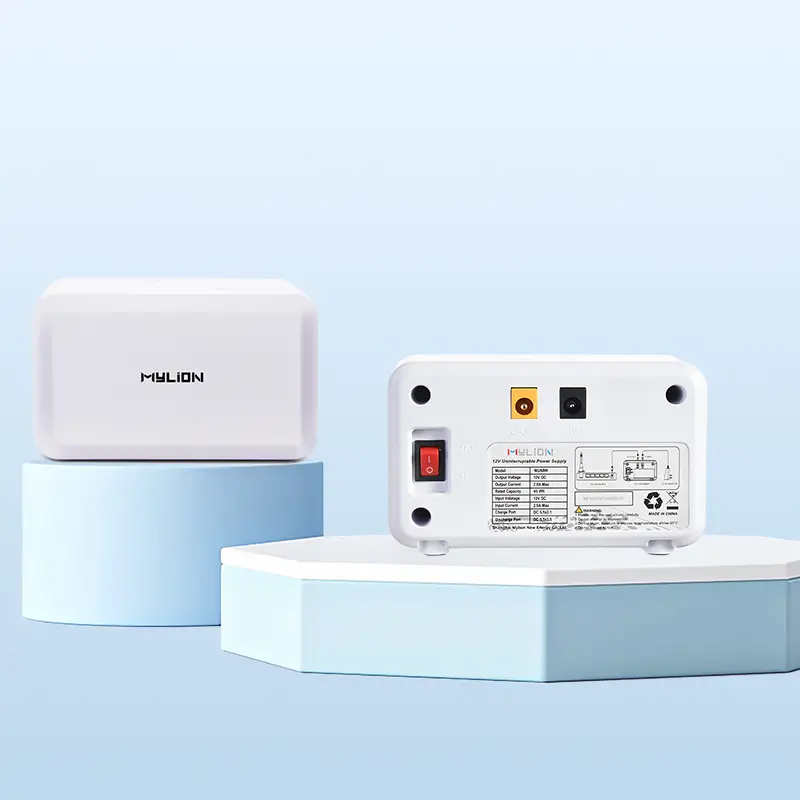
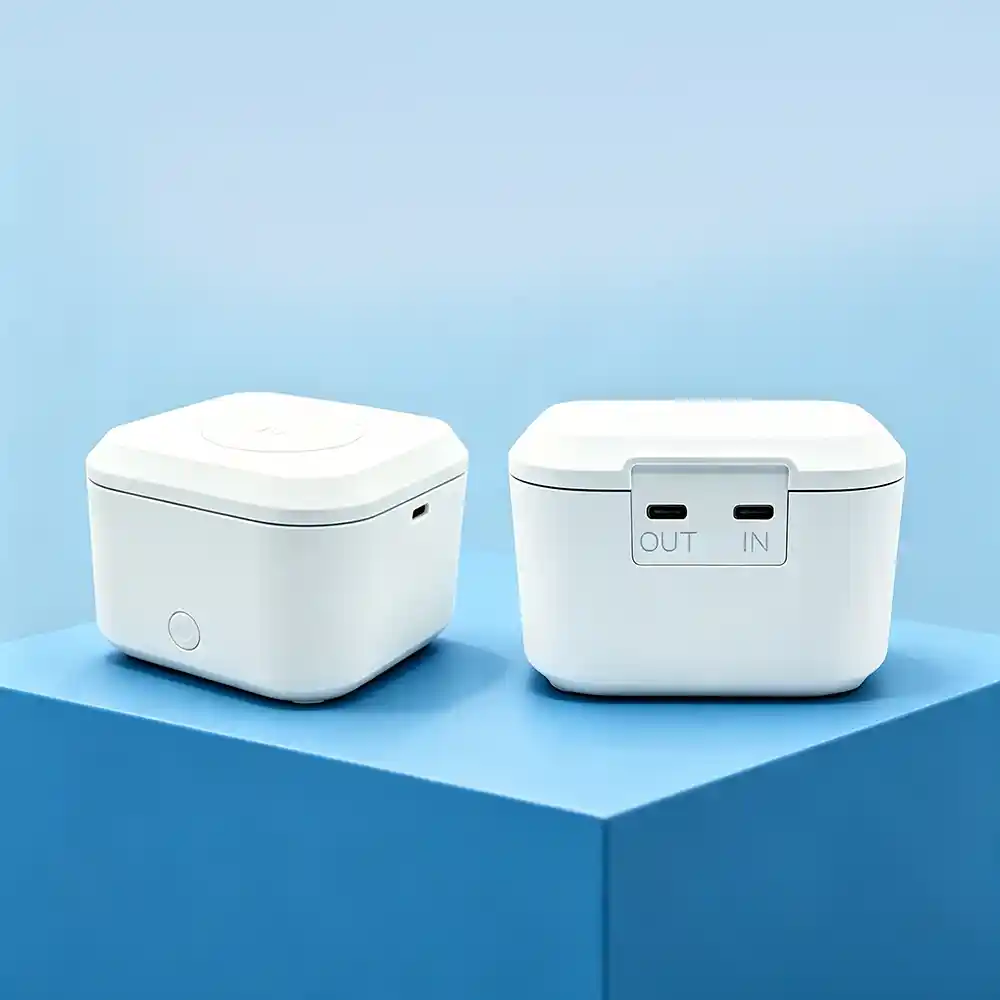
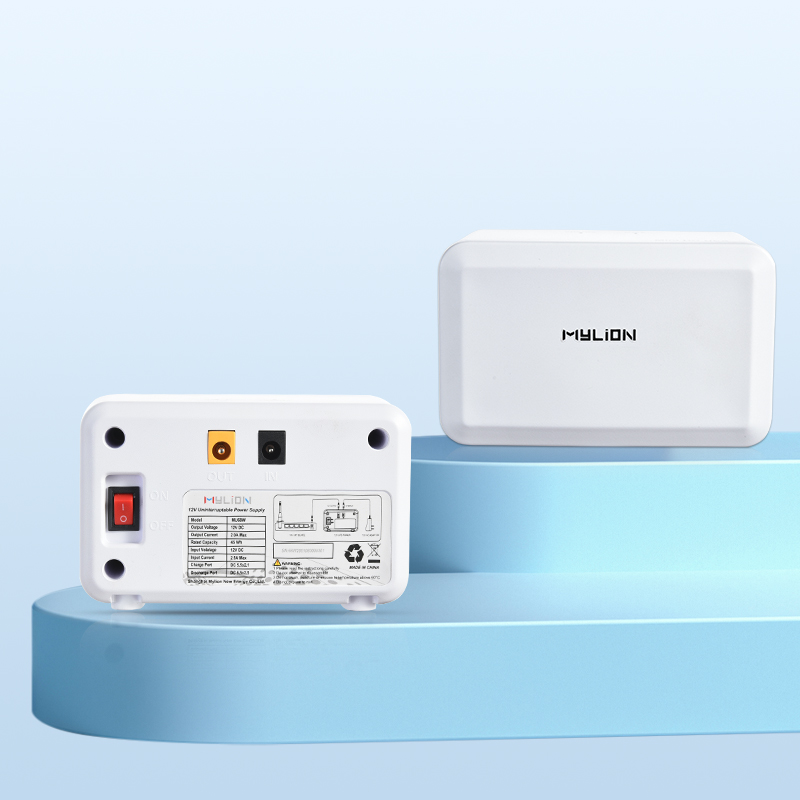
MU26 Mini-USV
MUC85 Mini-USV
MU48 Mini-USV
Häufig gestellte Fragen
Frage 1: Ist LiFePO4 dasselbe wie Lithium-Ionen?
Frage 2: Wie lange hält eine LiFePO4 Mini-USV-Batterie?
Frage 3: Ist LiFePO4 für die Anwendung in Innenräumen sicher?
Frage 4: Warum ist LiFePO4 in der Anschaffung teurer?
F5: Kann ich ein Standard-Li-Ionen-Ladegerät für LiFePO4 verwenden?
Frage 6: Bietet Mylion beide Varianten an?
Abschluss
Die Wahl zwischen Standard-Lithium-Ionen und LiFePO4 für Mini-USV Letztendlich läuft alles auf eine Frage hinaus: Legen Sie Wert auf anfängliche Kompaktheit oder auf langfristige Sicherheit und Wertbeständigkeit?
Standard-Lithium-Ionen-Akkus sind aufgrund ihrer ultrakompakten Bauweise in der Unterhaltungselektronik sehr beliebt. Für B2B-Anwendungen, bei denen Zuverlässigkeit, Sicherheit und Langlebigkeit unerlässlich sind, ist LiFePO4 unangefochten die beste Wahl.
Mylion hat seine Mini-USV-Produktpalette – einschließlich der Modelle ML1202AC und MU48 – auf dieser Realität aufgebaut. Mylion Mini-USV-Lösung bietet die notwendige, robuste Stromversorgungsgrundlage, um einen unterbrechungsfreien Betrieb zu gewährleisten.
 Deutsch
  English
  简体中文
简体中文  Français
  Italiano
  Español