适用于光网络终端 (ONT)、光网络单元 (ONU)、路由器和互联网服务提供商 (ISP) 备份项目的迷你型 UPS

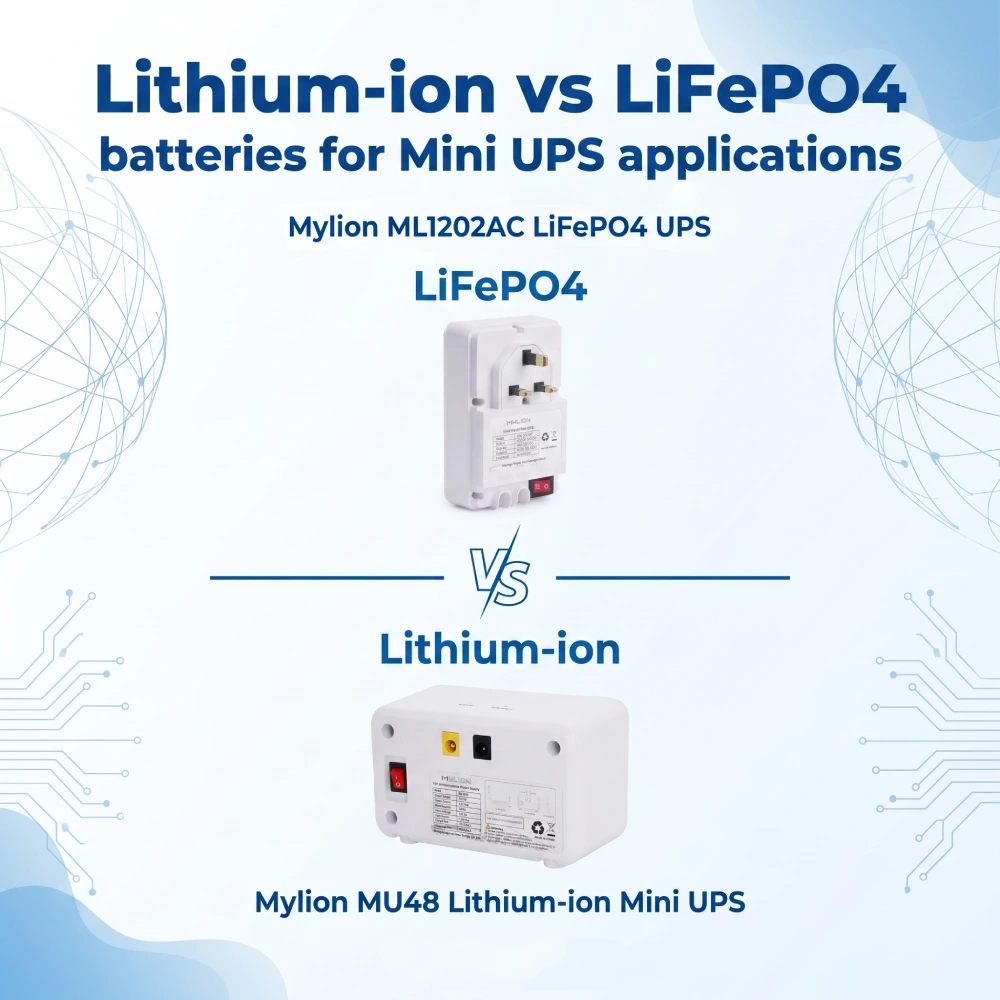
Lithium-ion vs LiFePO4 batteries for Mini UPS applications

Lithium-ion vs LiFePO4 batteries for Mini UPS applications

From sprawling telecom networks and FTTH infrastructure to edge IoT deployments, maintaining stable, continuous power has elevated the strategic importance of the 不间断电源.

Two lithium-based chemistries dominate the Mini UPS market today: standard lithium-ion (typically NMC or LCO) and lithium iron phosphate (LiFePO4) . However, not all lithium batteries are engineered equally. For network operators, ISPs, and system integrators, understanding the nuanced differences in 电池化学 is the key to minimizing total cost of ownership (TCO) and eliminating network downtime.

This article examines the technological battle between standard 锂离子 和 磷酸铁锂 chemistries, illustrating why specific applications demand distinct power architectures. By the end, you’ll know exactly which chemistry belongs in your next backup power solution.

The Critical Role of Battery Chemistry in Mini UPS Systems

A DC UPS serves as the final line of defense against power grid volatility. Unlike traditional AC UPS systems, a 小型直流不间断电源 is purpose-built to deliver targeted, low-voltage direct current (DC) directly to critical access devices—such as ONTs, 联合国, 宽带路由器, 和 remote IoT gateways.

These devices often exist in unmonitored environments, ranging from hot outdoor telecom enclosures to cramped utility boxes. Choosing the wrong battery chemistry for these conditions can lead to:

  • Battery bloat and physical damage.
  • Premature capacity degradation.
  • Dangerous thermal events or combustion.
  • Complete power failure during a critical outage.

Decision-makers must carefully weigh a battery’s chemical properties against the realities of their deployment environment.

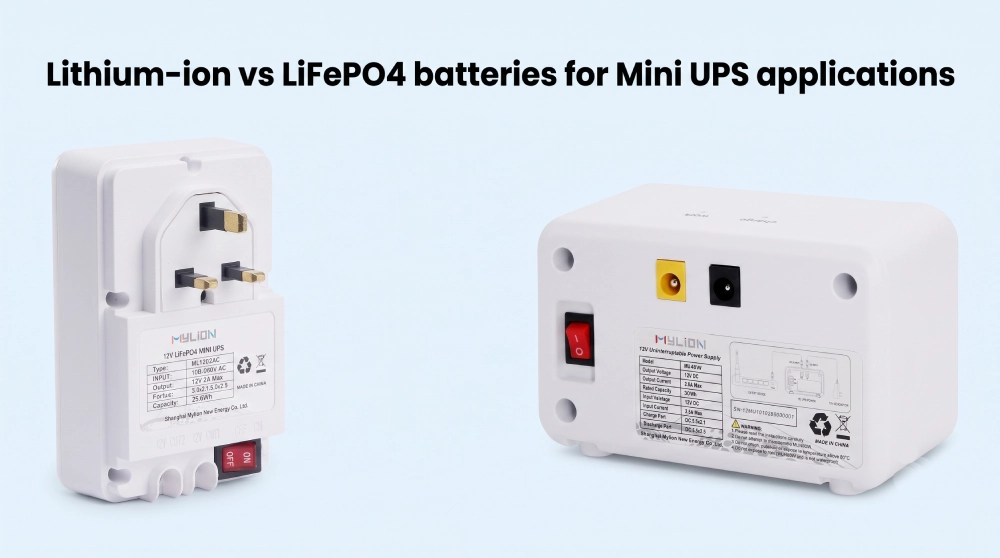
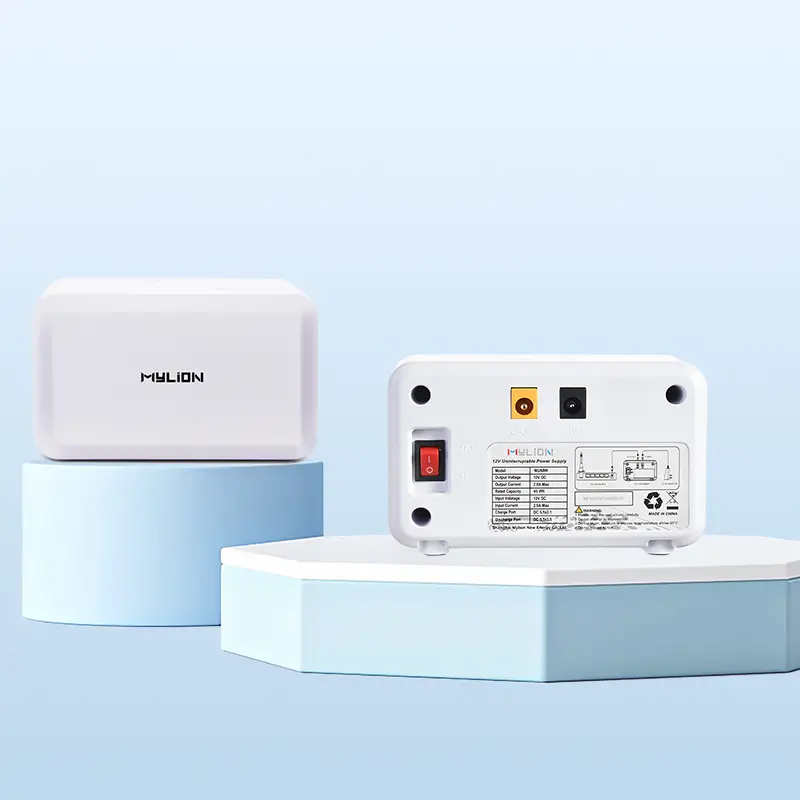
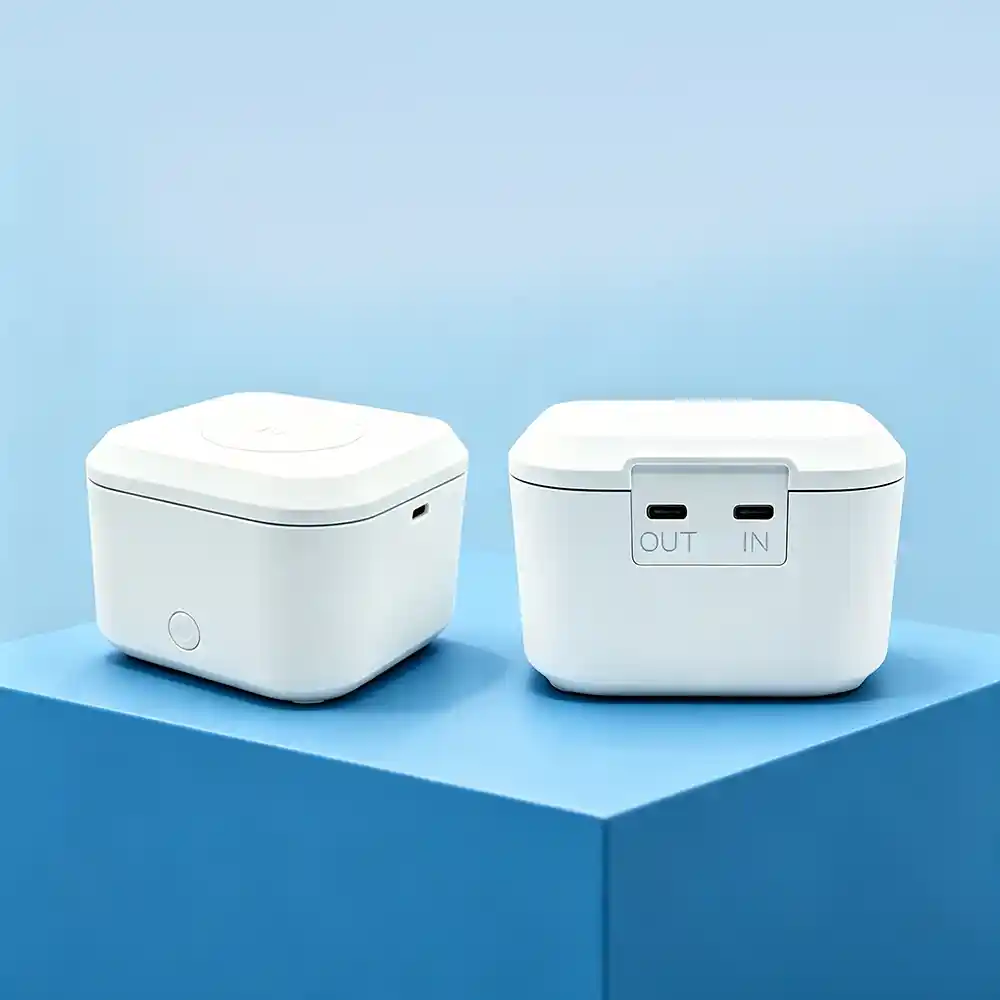
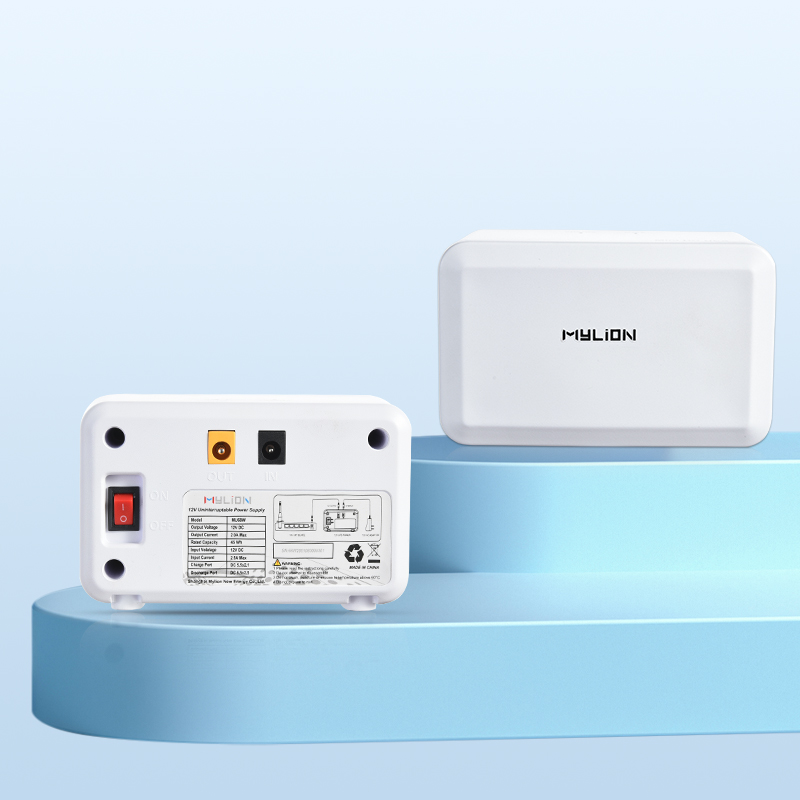
ML1202AC LiFePO4 UPS vs MU48 Lithium-ion Mini UPS

What Is Standard Lithium-ion (Li-ion)?

When the industry refers to standard “Lithium-ion,” they usually mean Nickel Manganese Cobalt (NMC) or Lithium Cobalt Oxide (LCO). These are the same high-performance cells found in smartphones and electric vehicles.

The Science

Standard Lithium-ion chemistry boasts extraordinary energy density. The cobalt and nickel structure stores a massive amount of energy within a very tight physical footprint, making a Lithium-ion UPS incredibly compact.

Primary Strengths

  • High Energy Density: Delivers maximum backup runtime in a small casing.
  • Weight Reduction:Highly lightweight, enabling efficient shipping and installation.
  • Fast Discharge Rates: Capable of delivering rapid bursts of high-current power.

What Is LiFePO4 (Lithium Iron Phosphate)?

磷酸铁锂 (Lithium Iron Phosphate) is a safer lithium-ion subtype using iron phosphate as the cathode. This chemistry is explicitly designed for endurance, safety, and stationary reliability.

The Science

The iron phosphate cathode features a highly robust covalent bond structure. Even if the battery is subjected to intense heat, short-circuiting, or severe damage, the cell will not release oxygen. This makes LiFePO4 virtually immune to combustion.

Primary Strengths

  • Exceptional Safety:Unparalleled thermal stability for high-risk, unmonitored environments.
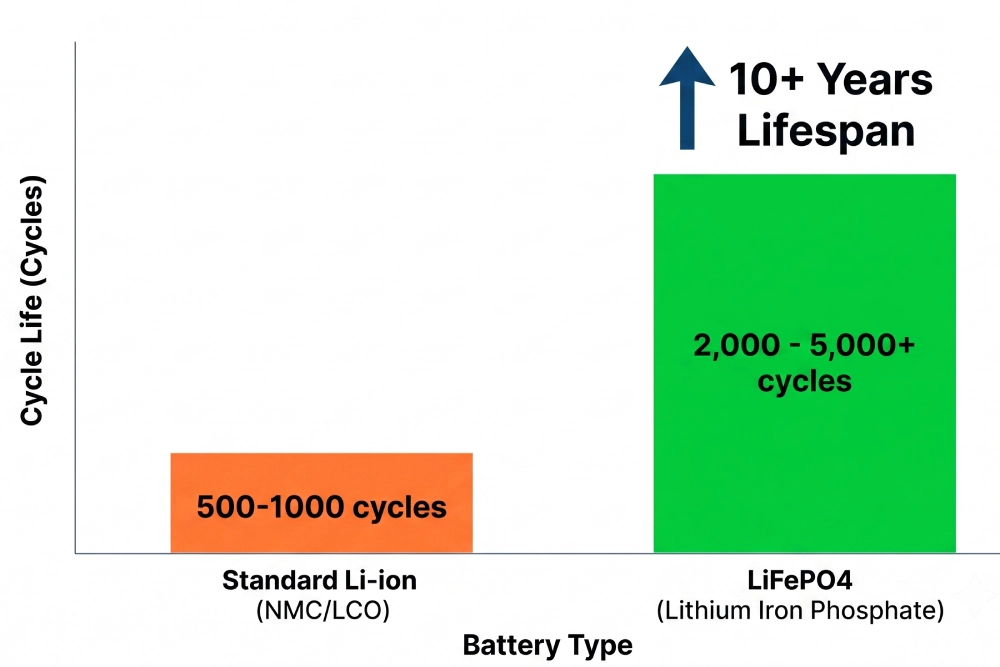
  • Massive Lifecycle:Easily achieves 2,000 to 5,000+ charge cycles, lasting up to a decade.
  • 时间emperature Tolerance:Performs reliably in extreme outdoor weather conditions.
  • Consistent Output:Delivers stable voltage to connected routers until the battery is nearly depleted.
LiFePO4 cycle life 2000-5000 vs lithium-ion 500-1000

Head-to-Head: LiFePO4 vs. Standard Li-ion

1. Safety (Non-Negotiable)

For a device running 24/7, safety is mandatory.

LiFePO4 wins decisively. Its thermal runaway threshold is ~270°C, versus ~150°C for standard Li-ion. LiFePO4 is considered virtually non-flammable and can withstand significant abuse without catching fire. Standard lithium-ion batteries (especially LCO) carry a well-documented fire risk if punctured, overcharged, or overheated.

For an unattended Mini UPS sitting behind a router or in a closet, LiFePO4’s safety advantage is simply non-negotiable.

2. Cycle Life & Longevity

This is where LiFePO4 separates itself entirely.

范围

磷酸铁锂

Standard Li-ion

循环寿命

2,000–5,000+

500–3,000

Calendar life

8–15 years

3–10 years

Deep discharge tolerance

Excellent (80–100% DoD)

Reduced lifespan

A quality LiFePO4 battery will likely outlive the Mini UPS itself—often over a decade of daily use.

3. Energy Density & Form Factor

If your only priority is the smallest possible device, standard Li-ion holds a slight edge. Its higher energy density allows a more compact design.

However, for Mini UPS applications, the size difference is often negligible. For example, the Mylion ML1202AC 不间断电源 weighs just ~360 grams with its LiFePO4 battery—still highly portable and desk-friendly.

4. Temperature Tolerance

LiFePO4 operates reliably across a much wider temperature range (-20°C to 60°C) compared to standard Li-ion (0°C to 45°C). Standard Li-ion often stops charging below 0°C without a built-in heater.

For outdoor security cameras, remote telecom cabinets, or unheated spaces, LiFePO4 is the clear winner.

5. Environmental Impact

LiFePO4 contains no cobalt or nickel—metals linked to severe environmental damage and unethical mining. Plus, because it lasts 2–3 times longer, it generates significantly less battery waste over a decade. It’s the greener choice by a mile.

6. Total Cost of Ownership (TCO)

Upfront: Standard Li-ion is usually cheaper.

Long-term: LiFePO4 wins hands-down. The higher initial cost is quickly offset by longevity.

When analyzing LiFePO4 vs Lithium-ion, procurement teams must evaluate the total operational impact rather than just raw capacity.

指标

Standard Lithium-ion (NMC/LCO)

LiFePO4(磷酸铁锂)

循环寿命

500 – 1,000 cycles (2-3 years)

2,000 – 5,000+ cycles (7-10 years)

Safety Profile

Prone to thermal runaway

Extremely stable; no fire risk

能量密度

High (Highly compact)

Moderate (Slightly larger footprint)

Temperature Range

0°C to 45°C (Indoor controlled)

-20°C to 60°C (Harsh/Outdoor capable)

Total Cost (TCO)

Lower upfront, high replacement cost

Higher upfront, high long-term savings

Environmental

Contains toxic heavy metals

Non-toxic, highly recyclable

For mission-critical B2B power backup, LiFePO4 is the superior technology. It trades a slight increase in size for total operational safety and a significantly lower TCO.

Mylion Mini UPS Solutions: LiFePO4 and Lithium-Ion

As a top-tier Mini UPS producer, Mylion’s product lineup is split deliberately—LiFePO4 for safety-critical, long-life deployments, and lithium-ion for compact, cost-effective broadband backup.

LiFePO4 Models – Safety & Longevity First

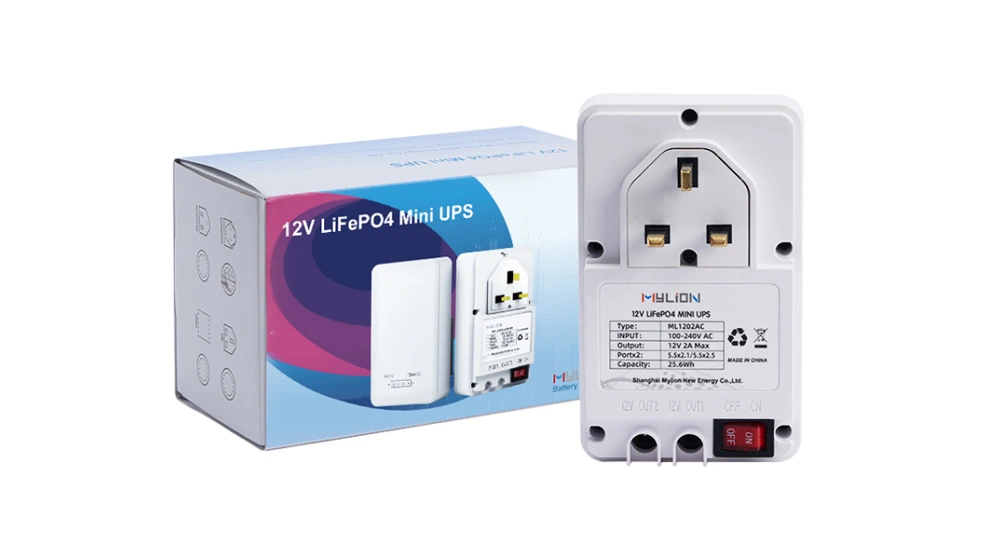
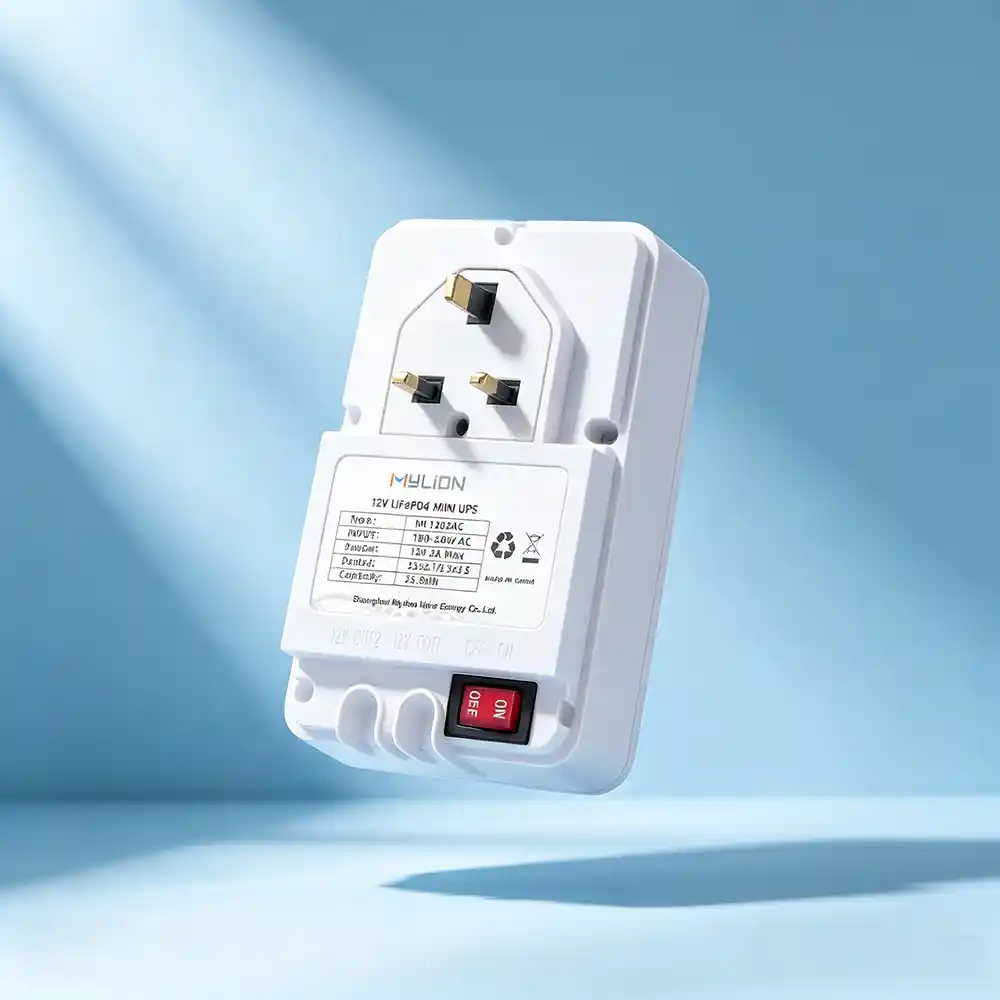
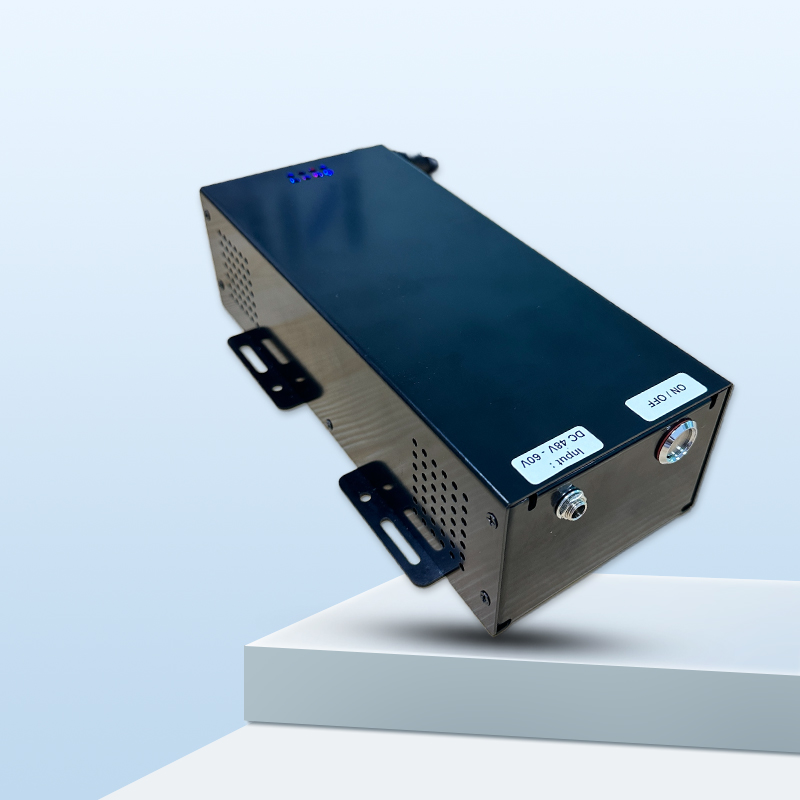
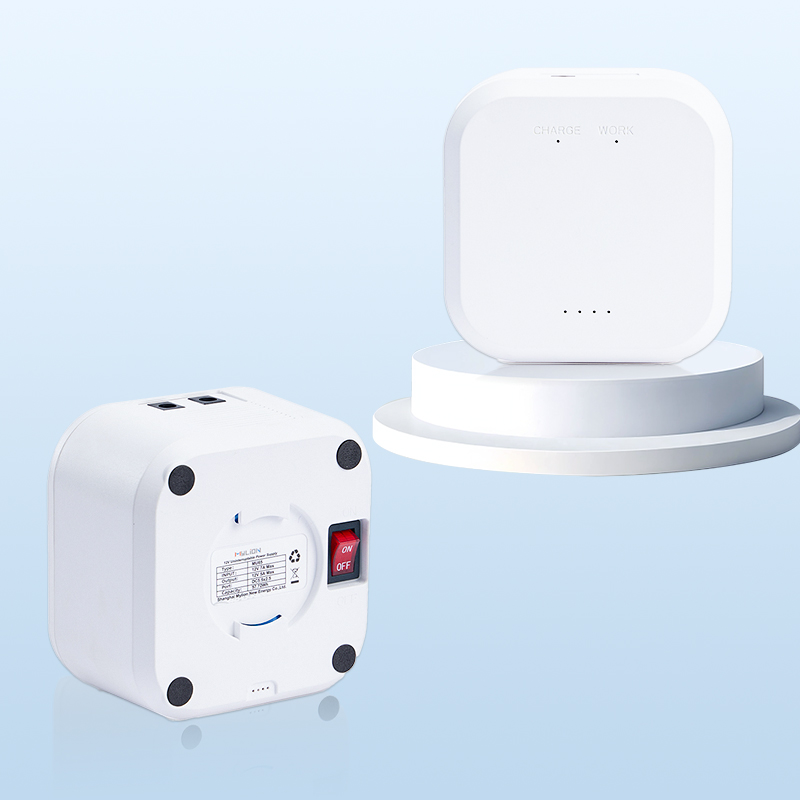
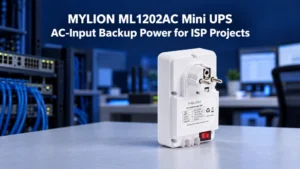
  • ML1202AC– Flagship dual-output (12V/2A ×2) unit with a 25.6Wh LiFePO4 battery, direct AC input. Perfect for ONT + router combos.
  • MU248– Professional 24V/48V telecom solution (102.4Wh) with 14–17h runtime for wireless CPE, outdoor bridges, and non-standard DC gear.

ML1202AC 迷你型 UPS

MU248迷你UPS

Lithium-Ion Models – Compact & High-Energy for Everyday Use

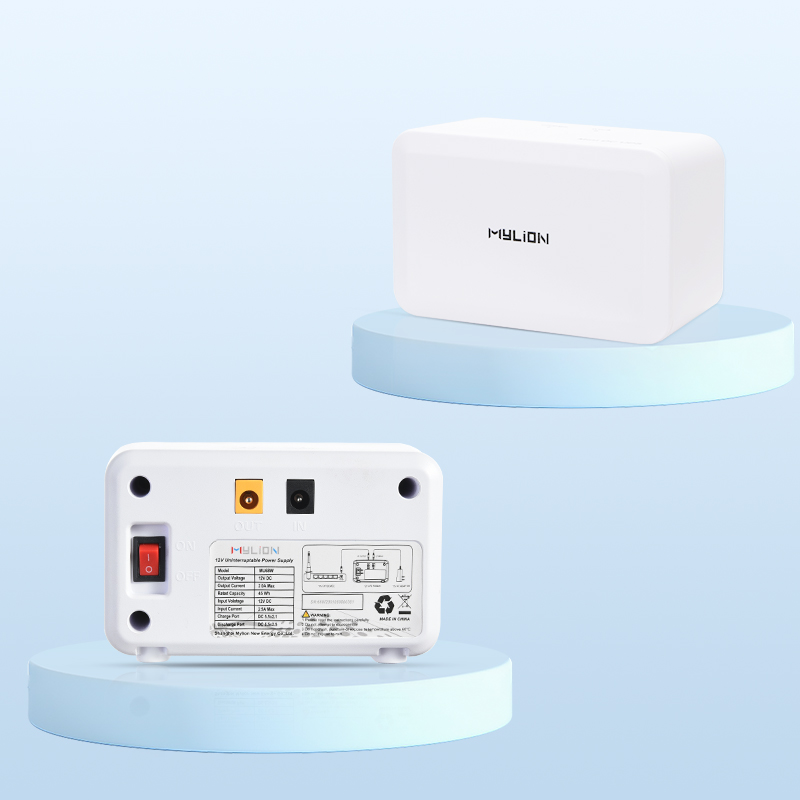
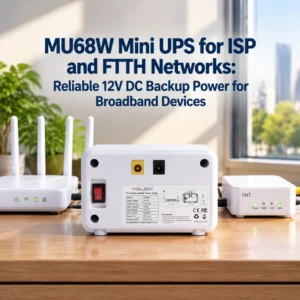
  • MU68– Workhorse 12V/3A, 44.4Wh, 6–8h runtime – the go-to for standard ONT/ONU/fiber gateways.
  • MU35– High-power 12V/5A, 77.7Wh, 10–13h runtime – for LTE/5G routers and heavy network loads.
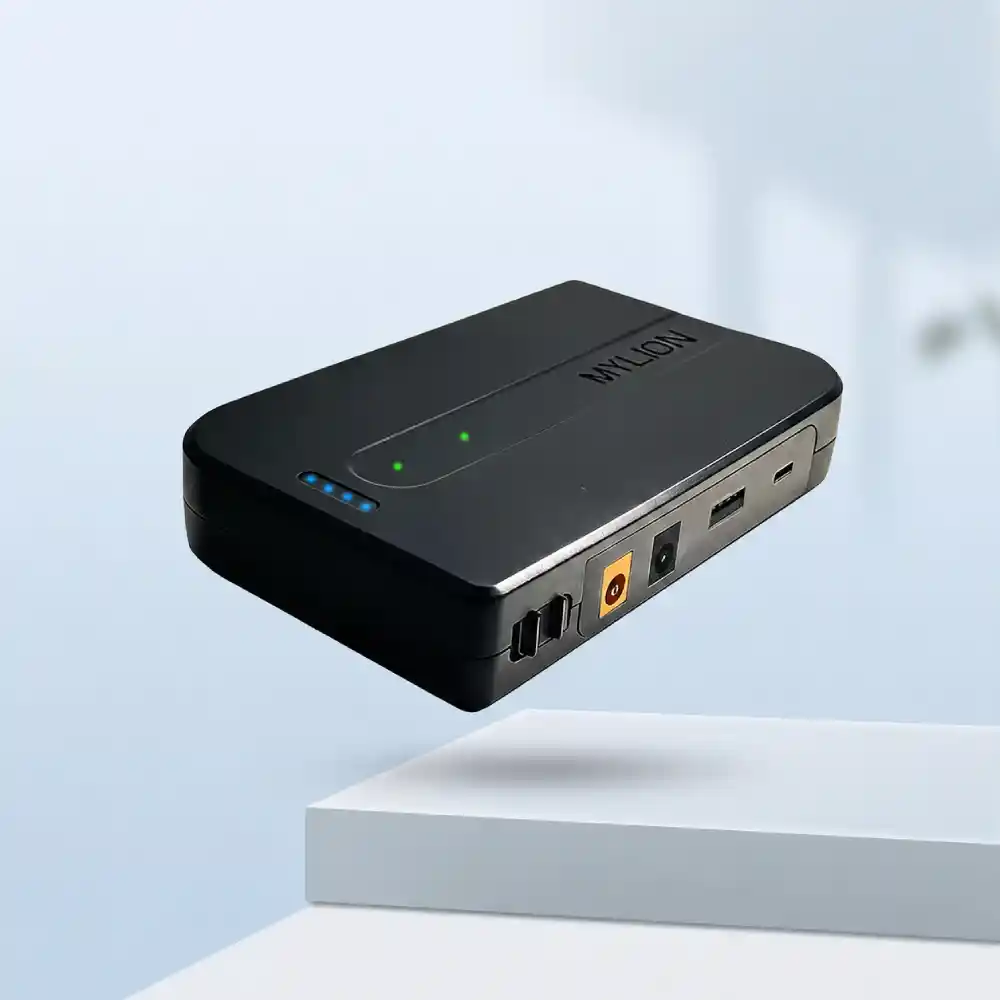
  • MU48 – Versatile 29.6Wh, 12V/3A, 4–5h runtime – for routers, modems, small switches, VoIP gateways.
  • MU26 – Compact 19.24Wh, 12V/3A, 2–3h – ideal for low-power modems and basic FTTH devices.
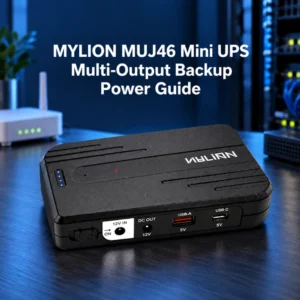
  • MUJ46– Hybrid unit with 12V/2A DC + USB-A/C outputs (38.48Wh, 5–6h) – great for router + USB accessories.
  • MUC85– USB-C PD model (92Wh) with 65W input/output, 12–15h runtime – designed for WiFi 6/7 routers and USB-C network equipment.

Whether you value the unmatched endurance of LiFePO4 or the energy density of lithium-ion, 米利恩 delivers a purpose-built Mini UPS for every modem, router, and telecom backup scenario.

MUJ46迷你UPS

MU68  Mini UPS

MU35迷你UPS

MU26迷你UPS

MUC85迷你UPS

MU48迷你UPS

常问问题

Q1: Is LiFePO4 the same as lithium-ion?

LiFePO4 is a subtype of lithium-ion. All LiFePO4 are Li-ion, but not all Li-ion are LiFePO4.

Q2: How long does a LiFePO4 Mini UPS battery last?

Typically 4,000+ cycles or 8–15 years. In practice, it will outlast the Mini UPS device itself.

Q3: Is LiFePO4 safe for indoor use?

Absolutely. It’s the safest lithium chemistry and is virtually non-flammable—ideal for indoor, unattended operation.

Q4: Why is LiFePO4 more expensive upfront?

The materials and manufacturing differ. However, the total cost of ownership is far lower because you won't replace it for 10+ years.

Q5: Can I use a standard Li-ion charger for LiFePO4?

No. LiFePO4 has a different nominal voltage (3.2V vs. 3.7V) and requires a specific charging profile. Always use the supplied charger or verify compatibility.

Q6: Does Mylion offer both types?

Some models, like the MU48 and MU35, are built with Lithium-ion. However, Mylion ML1202AC is built specifically around LiFePO4 for maximum safety and longevity.

结论

The choice between standard lithium-ion and LiFePO4 for Mini UPS boils down to one question: Do you prioritize initial compactness or long-term safety and value?

Standard Lithium-ion batteries excel in consumer electronics due to their ultra-compact size. For B2B applications where reliability, safety, and longevity are non-negotiable, LiFePO4 is the undisputed champion.

Mylion has built its Mini UPS lineup—including the ML1202AC and MU48—around this reality. Mylion 迷你 UPS 解决方案 provides the resilient power foundation necessary to guarantee uninterrupted service.

Ready for Reliable Backup Power? Contact Mylion for LiFePO4 or lithium-ion Mini UPS solutions.

关于我

迈锂生产系列电池组,锂电池,镍氢电池,LiFe PO4电池,锂聚合物电池,无线充电宝,遥控锂电池,迷你UPS等。广泛应用于便携式电子产品,智能AI机器人,让人们的生活变得便捷, 聪明的。

分享:

最近的帖子

迈锂故事

zh_CN简体中文
滚动至顶部

获取报价