
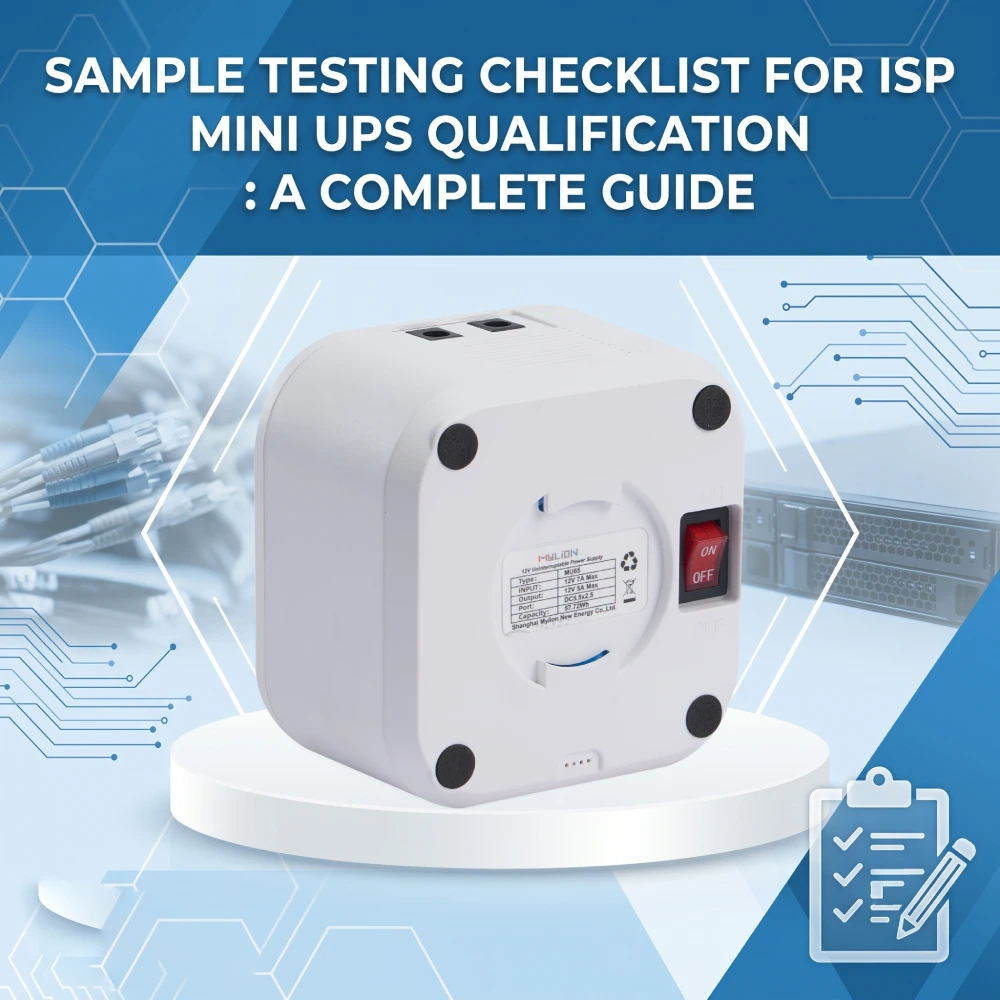
Al desplegar banda ancha de alta velocidad o FTTH (Fibra hasta el hogar) servicios, los cortes de energía representan una vulnerabilidad masiva. Para cerrar esta brecha, se está implementando un Mini UPS de CC Junto con los ONT y los enrutadores, se ha convertido en un estándar de la industria.
Sin embargo, las compras al por mayor soluciones de energía de respaldo Sin una calificación rigurosa de las muestras, se pueden producir fallos catastróficos en la red, un aumento de las visitas de técnicos y graves incumplimientos de los acuerdos de nivel de servicio (SLA). Esta guía completa describe la lista de verificación de pruebas definitiva para Evaluación de muestras de Mini UPS, garantizando que su implementación ofrezca una continuidad de servicio impecable.
Descripción general de las pruebas de calificación de los mini SAI de ISP
Un programa completo de cualificación de Mini UPS normalmente incluye cuatro etapas:
- Revisión de requisitos
- Verificación de muestras
- Pruebas de aplicación en campo
- Aprobación de producción
Cada etapa responde a una pregunta empresarial diferente:
Etapa de calificación | Pregunta clave |
Revisión de requisitos | ¿El Mini UPS es técnicamente adecuado para el equipo al que está destinado? |
Verificación de muestras | ¿El producto funciona según las especificaciones? |
Pruebas de campo | ¿Funciona de forma fiable en entornos reales de proveedores de servicios de Internet (ISP)? |
Aprobación de producción | ¿Puede el proveedor garantizar un despliegue estable a largo plazo? |
Para los clientes de ISP, las pruebas de muestras no son solo una actividad de ingeniería. Son un proceso vital de control de riesgos antes de comprometerse con despliegues masivos de cientos o miles de unidades.
Una lista de verificación de cualificación fiable debe combinar pruebas eléctricas, validación de compatibilidad, evaluación de la experiencia del usuario y evaluación del proveedor.
Especificaciones técnicas básicas a evaluar en muestras de mini UPS
Antes de probar físicamente una unidad, debe verificar que las especificaciones técnicas se ajusten a los requisitos de hardware de su red. Centre su revisión inicial en estos parámetros clave:
1. Compatibilidad eléctrica de entrada y salida
El primer punto de evaluación es la compatibilidad eléctrica entre el Mini UPS y el equipo de red de destino.
Los parámetros clave incluyen:
- Rango de voltaje de entrada
- Voltaje de salida
- Corriente de salida continua
- Corriente de salida máxima
- Capacidad de potencia total
- Requisitos de carga
En las aplicaciones de proveedores de servicios de Internet (ISP), siempre se debe tener en cuenta en primer lugar el equipo conectado.
Los dispositivos típicos incluyen: enrutadores, ONU, ONT, CPE y gateways.
Que un dispositivo sea de 12 V no significa automáticamente que cualquier mini SAI de 12 V sea adecuado. Los distintos dispositivos pueden tener diferentes requisitos de corriente, consumo de energía al arrancar y condiciones de funcionamiento.
2. Capacidad de la batería y rendimiento del tiempo de respaldo
El tiempo de respaldo es uno de los factores más importantes para la calificación de los mini SAI de los proveedores de servicios de Internet (ISP). Sin embargo, el rendimiento del respaldo no puede evaluarse únicamente por la capacidad de la batería.
El tiempo de ejecución real depende de:
- Consumo de energía de los equipos conectados
- Capacidad de la batería
- Eficiencia de conversión
- Variación de carga
- Temperatura de funcionamiento
- Estado de la batería
Durante las pruebas de muestra, el ISP debe definir:
- Duración de la copia de seguridad prevista
- Carga típica de la red
- Carga máxima prevista
- Entorno operativo
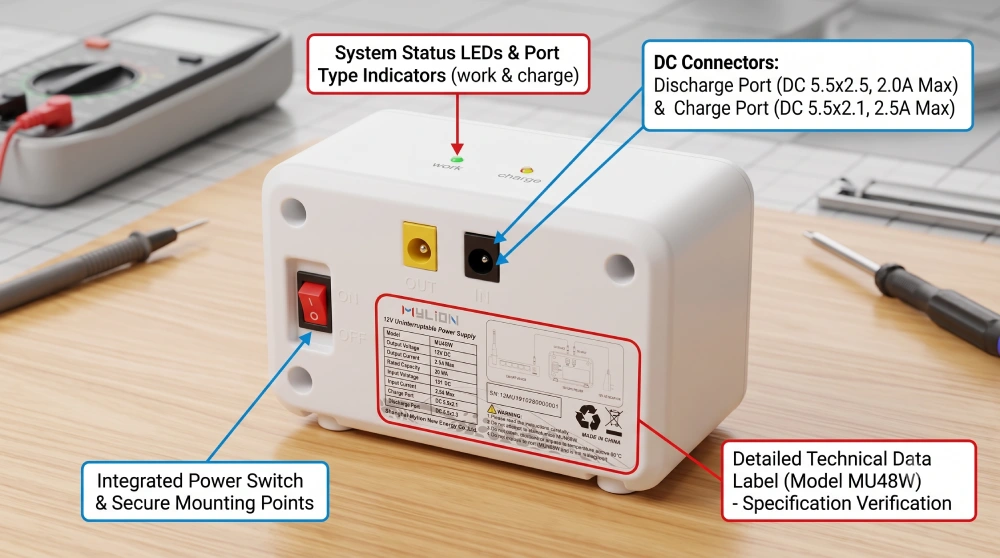
3. Rendimiento de conmutación automática
La conmutación automática es una función esencial de un Mini UPS. Durante la fase de cualificación, los proveedores de servicios de Internet (ISP) deben verificar si los equipos de red conectados siguen funcionando cuando se interrumpe la alimentación externa.
La prueba debe incluir:
- Conecte la entrada de alimentación de CA
- Conecte el dispositivo enrutador, ONU, ONT o CPE de destino.
- Desconectar la alimentación de CA
- Observar el comportamiento de conmutación
- Restablecer la alimentación de CA
- Confirmar la recuperación de la carga
Puntos importantes para la evaluación:
- ¿Se reinició el dispositivo de red?
- ¿Era estable la tensión de salida?
- ¿Fue coherente el proceso de cambio?
- ¿El dispositivo se reconectó correctamente?
Los productos MYLION Mini UPS están diseñados con funciones de administración de energía que incluyen manejo de energía externa, administración de carga de batería, conmutación automática y control de salida de CC.
4. Interfaz y compatibilidad de dispositivos
La compatibilidad de la interfaz es otro factor crítico de calificación.
Antes de la aprobación, verifique:
- Tipo de conector CC
- Polaridad del conector
- Longitud del cable
- Compatibilidad del adaptador
- Configuración de la interfaz de salida
Los requisitos comunes de conexión de un Mini UPS incluyen:
- DC5521
- DC5525
- USB-C
- Cables de conversión de CC
- Cables de alimentación para dos dispositivos
En los proyectos de proveedores de servicios de Internet (ISP), el Mini UPS debe probarse con el modelo de equipo real que se va a implementar.
Lista de verificación completa paso a paso para la prueba de muestras de mini UPS
Un proceso completo de cualificación de un Mini UPS debe seguir una secuencia de pruebas estructurada.
La siguiente lista de verificación puede ayudar a los proveedores de servicios de Internet, las compañías de telecomunicaciones y los proveedores de equipos de red a evaluar las muestras antes de realizar compras al por mayor.
Elemento de prueba | Método de prueba | Evaluación clave |
Inspección de apariencia | Verificación visual | consistencia del producto, etiquetas, accesorios |
Prueba eléctrica | Medir el rendimiento de entrada/salida | Estabilidad de voltaje y corriente |
Prueba de carga | Conecte el equipo real | Capacidad de funcionamiento continuo |
Prueba de conmutación | Simular un fallo eléctrico | Continuidad del dispositivo |
Prueba de respaldo | Prueba de descarga de la batería | Rendimiento en tiempo de ejecución |
Prueba de compatibilidad | Utilice dispositivos de red reales | Idoneidad de la aplicación |
Prueba de fiabilidad | Operación de larga duración | Estabilidad y comportamiento térmico |
Paso 1: Inspección visual y de configuración
Antes de realizar las pruebas eléctricas, confirme la configuración de la muestra.
Controlar:
- Número de modelo
- Etiqueta del producto
- Condiciones de la vivienda
- Accesorios incluidos
- Especificación del adaptador
- Tipo de cable
- Documentación del usuario
La muestra analizada debe coincidir con la configuración de producción prevista.
Cualquier diferencia entre la muestra y la versión de producción futura debe identificarse antes de su aprobación.
Paso 2: Pruebas sin carga
Las pruebas sin carga verifican el comportamiento básico del sistema.
Controlar:
- Voltaje de salida
- estado de carga
- Funcionamiento del indicador
- Ruido anormal
- Comportamiento de potencia inicial
Este paso ayuda a identificar problemas básicos de hardware antes de conectar equipos de red costosos.
Paso 3: Pruebas de carga
Las pruebas de carga evalúan la capacidad operativa real. Condiciones de prueba recomendadas:
Prueba de carga normal
Simular el funcionamiento típico de un proveedor de servicios de Internet (ISP).
Ejemplo:
- Solo enrutador
- solo ONU
- Solo ONT
Prueba de carga máxima
Evaluar el rendimiento bajo una mayor demanda.
Controlar:
- Estabilidad de salida
- Aumento de temperatura
- Activación de la protección
- Operación a largo plazo
Paso 4: Prueba de simulación de fallo de alimentación
Este es uno de los pasos más importantes para la calificación de un proveedor de servicios de Internet (ISP).
Procedimiento de prueba:
- Conecte el Mini UPS al dispositivo de red.
- Garantizar el funcionamiento normal
- Retire la alimentación de entrada de CA.
- Monitorear el estado del dispositivo
- Rendimiento de conmutación récord
- Restablecer la alimentación de CA
El informe de cualificación debe registrar:
- El dispositivo permaneció en línea o se reinició.
- Comportamiento de cambio
- Estabilidad de salida
- Rendimiento de recuperación
Paso 5: Prueba de copia de seguridad de larga duración
Una breve demostración no es suficiente para la implementación por parte de los proveedores de servicios de Internet (ISP). Se debe realizar una prueba más extensa para evaluar:
- Comportamiento de descarga de la batería
- consistencia de la salida
- Cambio de temperatura
- Estado de funcionamiento del dispositivo
En los despliegues de ISP a gran escala, la estabilidad a largo plazo suele ser más importante que el máximo rendimiento a corto plazo.
Paso 6: Validación de equipos de red reales
Tras las pruebas de laboratorio, se deben realizar pruebas reales con los equipos.
Dispositivos recomendados:
- Enrutador
- ONU
- Ontario
- CPE
- Puerta
Las pruebas deberían confirmar:
- continuidad de la conexión de red
- Estabilidad del dispositivo
- Comportamiento de reinicio
- Idoneidad de la instalación
Un mini SAI (Sistema de Alimentación Ininterrumpida) debe evaluarse como parte del sistema de red completo, no como un producto de alimentación aislado.
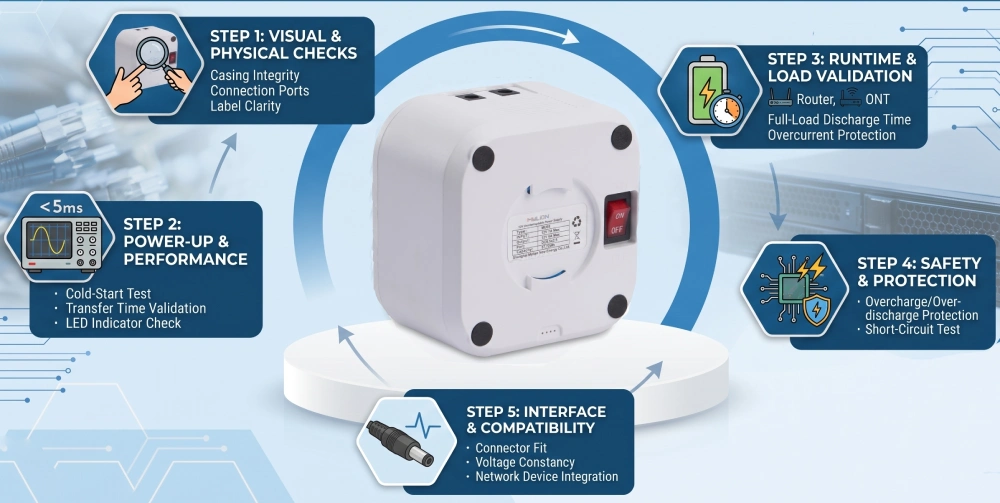
Verificación de protección y seguridad
El rendimiento de la protección es esencial porque los productos Mini UPS combinan sistemas de baterías y funciones de gestión de energía electrónica.
La lista de verificación de cualificaciones debe incluir la verificación de seguridad.
Verificación de la protección de la batería
Confirme las funciones de protección aplicables:
- Protección contra sobrecarga
- Protección contra sobredescarga
- Protección contra sobrecorriente
- Protección contra cortocircuitos
- Protección relacionada con la temperatura
El diseño de protección específico depende de la configuración del producto aprobada.
Protección de gestión de energía
Evaluar:
- Condiciones anormales de entrada
- Estabilidad de salida
- Gestión de carga
- respuesta de carga
El objetivo es garantizar que el Mini UPS pueda funcionar de forma segura tanto en condiciones normales como anormales.
Pruebas térmicas y de fiabilidad
Se debe tener en cuenta el comportamiento a diferentes temperaturas, especialmente para:
- Gabinetes de telecomunicaciones
- entornos de comunicación al aire libre
- Regiones de alta temperatura
- Operación de larga duración
Evaluar:
- Aumento de temperatura
- Operación continua
- Temperatura de la vivienda
- Estabilidad del rendimiento
Revisión de la documentación y el cumplimiento
Antes de la aprobación final, revise la documentación del proveedor:
- Ficha de datos
- Especificaciones del producto
- Información de la prueba
- Instrucciones de instalación
- Documentos de certificación, cuando corresponda
La coherencia en la documentación es importante para la futura implementación, el mantenimiento y la gestión de proveedores.
Integración de los productos Mylion Mini UPS en su red.
Para los proveedores de servicios de Internet que buscan hardware verificado de calidad comercial, Mylion ofrece una línea de productos estructurada diseñada específicamente para aplicaciones de telecomunicaciones y FTTH. Las pruebas realizadas a sus modelos insignia revelan una ingeniería especializada para diferentes niveles de implementación:
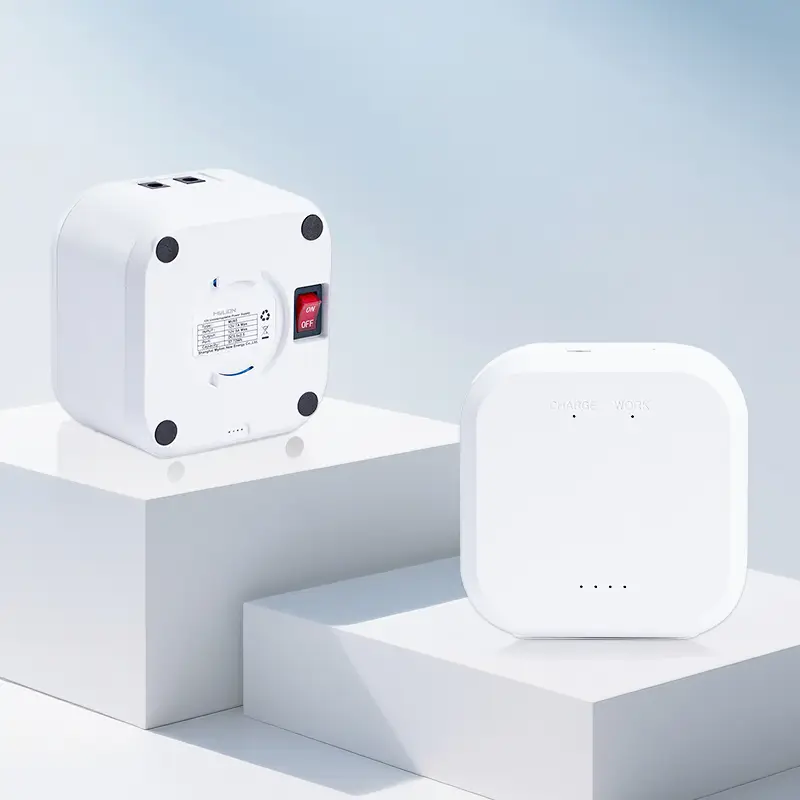
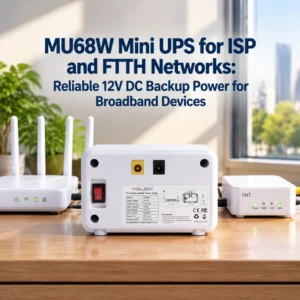
Mylion MU68 (Despliegue FTTH estándar): Esta unidad compacta incorpora una batería de iones de litio de 44,4 Wh que proporciona una salida constante de 12 V y 3 A. Ofrece una autonomía fiable de entre 6 y 10 horas para equipos CPE estándar, lo que la convierte en una solución rentable y eficaz para proveedores de servicios de Internet residenciales.
Mylion MU35 (Alta corriente / Multidispositivo): Diseñado con una salida de alta potencia de 12 V y 5 A, el MU35 puede suministrar de forma segura hasta 60 vatios. Cuenta con conmutación de potencia instantánea de 0 ms y control inteligente de temperatura.
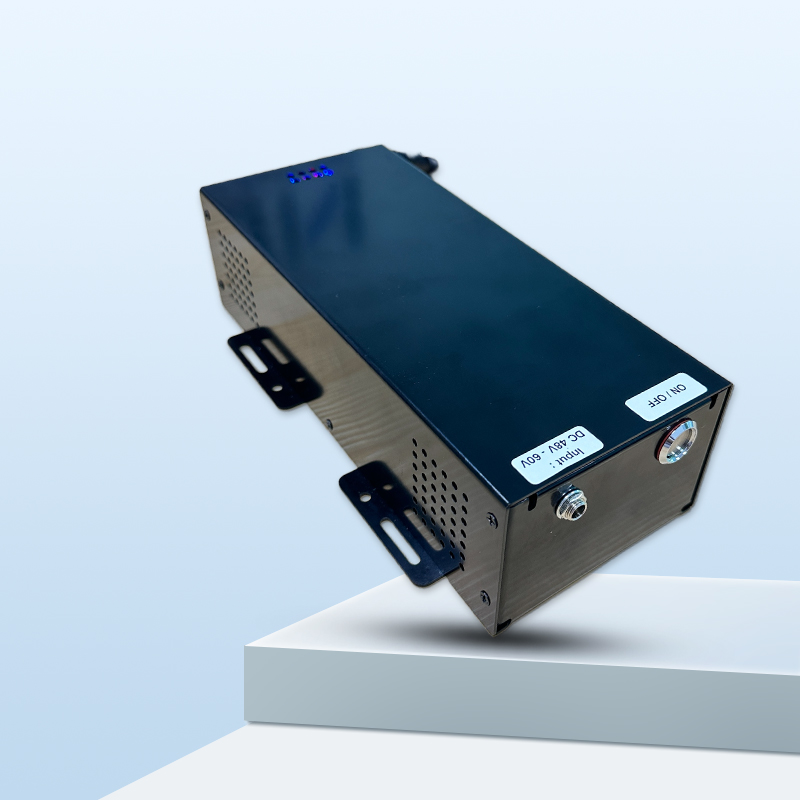
Mylion MU248 (Telecom Edge / Alta capacidad): Diseñada para infraestructuras más exigentes, esta unidad incorpora una batería LiFePO4 de 102,4 Wh. Admite dispositivos de red de CC no estándar con salidas de 24 V/4 A o 48 V/2 A, ofreciendo una autonomía de entre 14 y 17 horas. Es la opción ideal para puentes inalámbricos exteriores, terminales de telecomunicaciones pequeñas e implementaciones de CCTV.
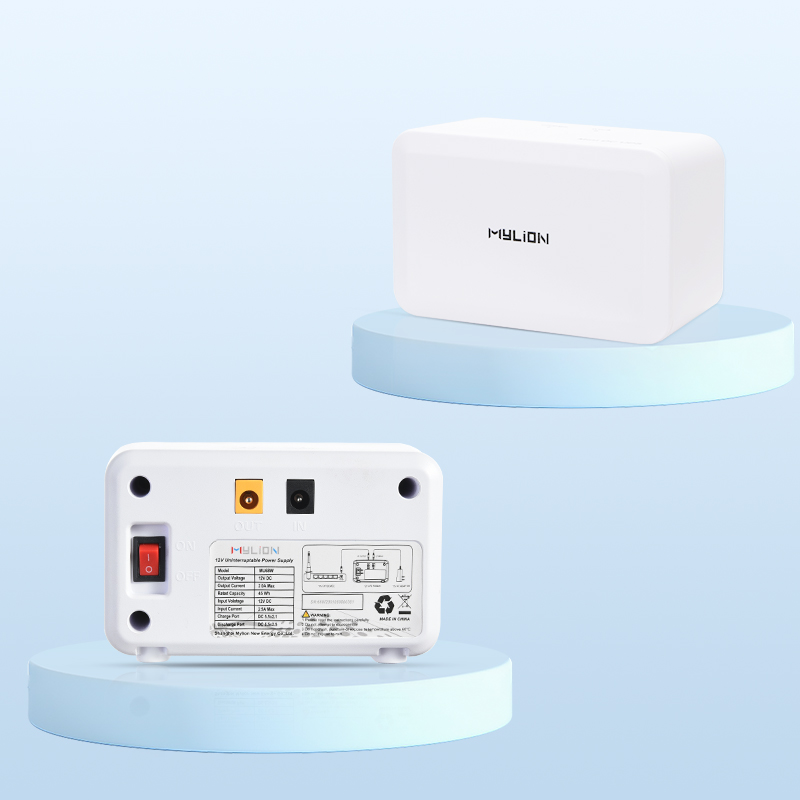
Mini UPS MU68
Mini UPS MU35
Mini SAI MU248
Preguntas frecuentes
P1: ¿Qué deberían probar los proveedores de servicios de Internet antes de aprobar una muestra de un mini SAI?
P2: ¿Se puede seleccionar un Mini UPS únicamente por voltaje?
P3: ¿Por qué deberían probarse las muestras de Mini UPS con routers o dispositivos ONU reales?
P4: ¿Cuánto tiempo debería durar la prueba de calificación de Mini UPS?
P5: ¿Cómo respalda MYLION la certificación ISP Mini UPS?
Conclusión
Un proceso profesional de cualificación de Mini UPS para ISP reduce el riesgo de implementación y ayuda a garantizar la continuidad estable del servicio de red.
Para los ISP, las compañías de telecomunicaciones y los proveedores de equipos de red, el Solución Mini UPS ideal Es aquella que se ajusta al equipo, al entorno de implementación, a los requisitos operativos y a los objetivos comerciales a largo plazo.
MYLION se centra en Soluciones mini UPS que brindan soporte a los clientes mediante el análisis de aplicaciones, la selección de productos adecuados, la validación de muestras y la cooperación a largo plazo en materia de suministro.
 Español
  English
  简体中文
简体中文  Deutsch
  Français
  Italiano