
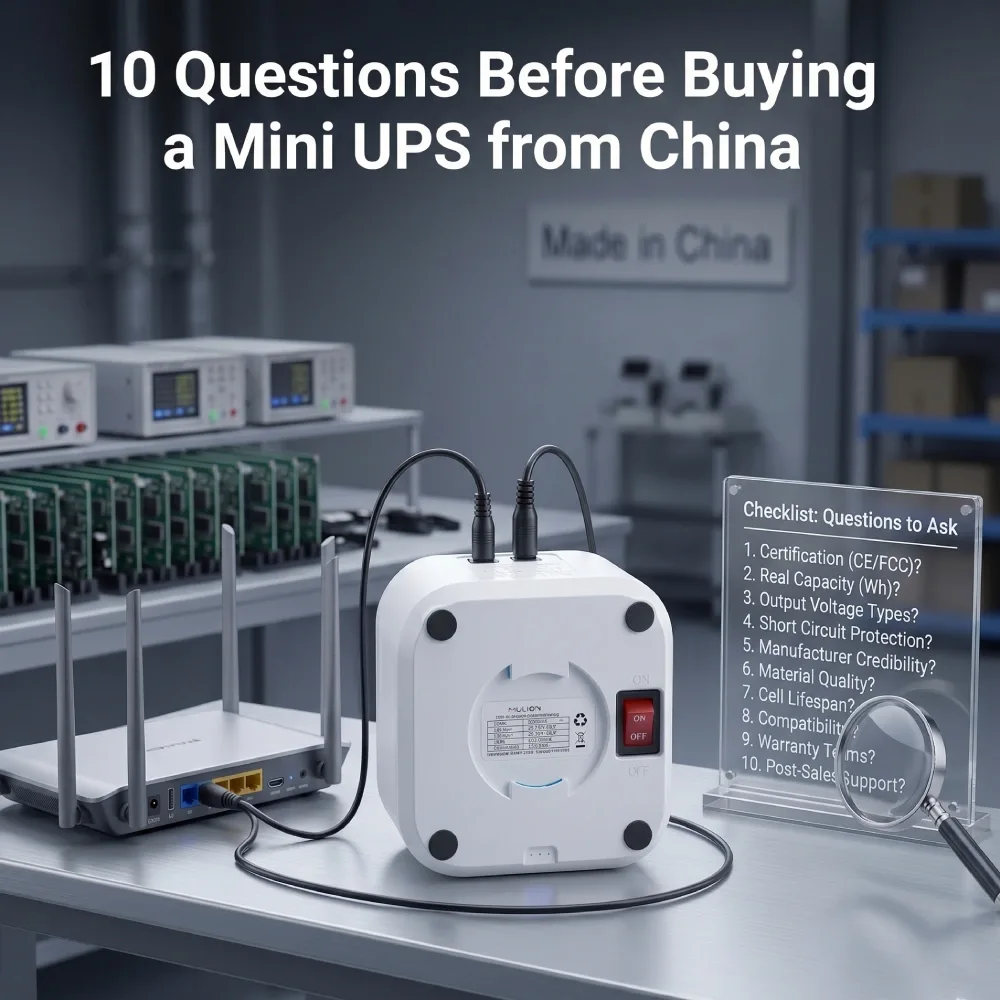
La Cina offre una solida catena di approvvigionamento per batterie al litio ed elettronica di potenza. Tuttavia, la qualità di Mini gruppi di continuità (UPS) I prezzi variano notevolmente da fornitore a fornitore. Per gli acquirenti del settore delle telecomunicazioni, degli ISP e dell'industria, il prezzo unitario più basso raramente si traduce nel costo totale del progetto più basso. Porre le domande giuste aiuta a identificare un partner affidabile, non solo un prodotto economico.
Di seguito sono riportate dieci domande essenziali per guidare la valutazione dei fornitori, seguite da domande frequenti e suggerimenti pratici per i passi successivi.
1. Per quale applicazione è stato progettato il prodotto?
Un mini UPS progettato per il backup di router, sistemi di videosorveglianza o apparecchiature di telecomunicazione potrebbe richiedere una corrente di uscita, un sistema di protezione, una capacità della batteria e tipi di connettore diversi. Scegli sempre l'unità più adatta al tuo specifico caso d'uso.
2. Qual è la corrente di uscita continua reale?
Non affidatevi solo alle affermazioni di marketing. Richiedete la corrente di uscita nominale, la potenza di picco erogabile e la soglia di protezione da sovracorrente. Queste specifiche determinano se l'unità è in grado di gestire carichi reali.
3. Quali tipi di celle vengono utilizzate?
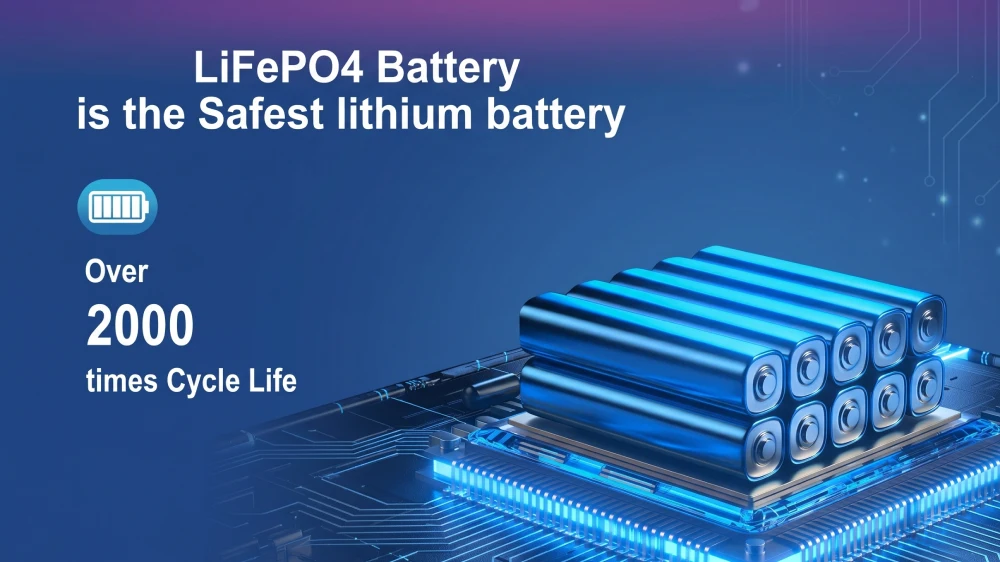
Marca, capacità, composizione chimica (LiFePO₄, ioni di litio, ecc.) e uniformità delle celle influiscono sulla sicurezza, sull'autonomia e sulla durata del ciclo di vita. Un fornitore affidabile divulgherà queste informazioni senza esitazione.
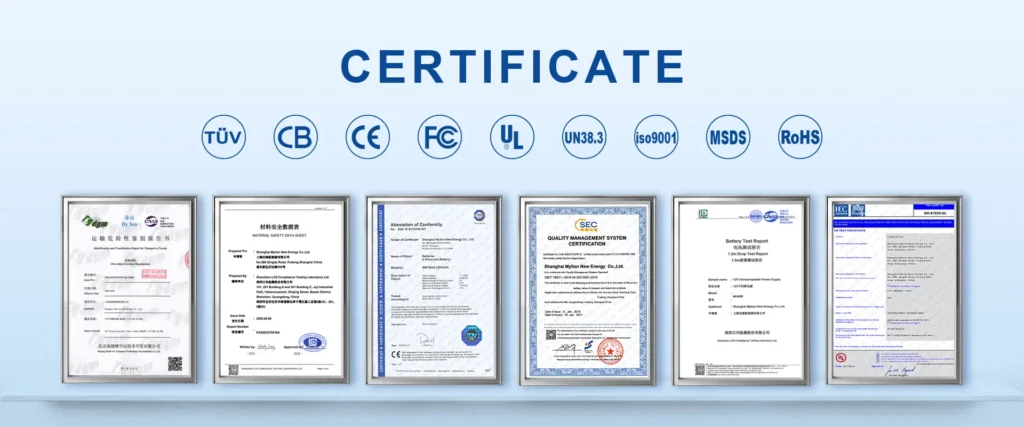
4. Quali certificazioni e documenti di spedizione sono disponibili?
Richiedere la documentazione che corrisponda esattamente al modello e alla configurazione della batteria. Certificazioni comuni Sono inclusi i requisiti CE, RoHS, UN38.3 e MSDS. Verificare che i documenti di spedizione (ad esempio, il riepilogo dei test della batteria) siano specifici per il modello.
5. Come viene testata ogni unità prima della spedizione?
Un fornitore professionale conserva la documentazione relativa ai controlli in entrata, ai test funzionali e ai controlli in uscita. Richiedete i rapporti di prova o una video dimostrazione del loro processo di controllo qualità.
6. Il fornitore è in grado di offrire soluzioni personalizzate?
I progetti B2B spesso richiedono cavi, spine, etichette, imballaggi, manuali, firmware o parametri di protezione personalizzati. Valuta se il fornitore dispone di risorse ingegneristiche per gestire queste modifiche.
7. La versione del campione approvato è congelata per la produzione di massa?
La discrepanza tra le versioni è un rischio nascosto comune. Assicurarsi che le unità di produzione corrispondano al campione approvato, a meno che non venga approvato e convalidato un ordine di modifica documentato.
8. Come gestisce il fornitore i reclami relativi alla qualità?
Cercate un'analisi delle cause profonde basata su prove concrete, non solo scuse o promesse di sostituzione. Un buon fornitore condividerà i report sulle azioni correttive e implementerà miglioramenti ai processi.
9. Il fornitore è in grado di supportare la comunicazione relativa al progetto?
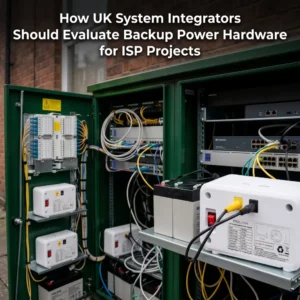
I progetti nel settore delle telecomunicazioni e dei servizi Internet (ISP) richiedono coordinamento tecnico, commerciale, di qualità e logistico. Valutate se il fornitore assegna un referente dedicato o un responsabile di progetto.
10. Il fornitore conosce il vostro mercato?
Un fornitore che ha familiarità con le applicazioni di backup per ISP, telecomunicazioni e B2B riduce i costi di comunicazione e i rischi di progetto. Sarà in grado di prevedere problematiche quali picchi di tensione, temperature estreme o conformità alle normative regionali.
Domande frequenti
D1: Investire in una società commerciale è sempre rischioso?
D2: Il mini UPS più economico è adatto ai progetti ISP?
D3: Qual è il primo passo migliore da compiere quando si valuta un fornitore?
D4: Che tipo di garanzia e supporto tecnico posso aspettarmi da un fornitore professionale di Mini UPS?
Come MYLION supporta gli acquirenti
MYLION è specializzata in Mini UPS DC B2B e soluzioni di backup con batterie al litio per applicazioni di telecomunicazioni, ISP e industriali. Supportiamo i clienti con:
- Selezione del prodotto e validazione del campione
- Requisiti personalizzati per cavi ed etichette
- Preparazione della documentazione di certificazione (CE, RoHS, UN38.3, ecc.)
- Ispezione della produzione e documentazione di spedizione
Il nostro obiettivo è ridurre il rischio del vostro progetto, non semplicemente fornire un prodotto.
Hai bisogno di un mini UPS o di una soluzione di backup con batteria al litio per ONT, ONU, router, CPE o apparecchiature di telecomunicazione? Contatta MYLION!
Nota di conformità
I requisiti di certificazione dipendono dalla configurazione del prodotto, dal mercato di destinazione, dall'alimentatore, dalla capacità della batteria e dall'applicazione finale. Gli acquirenti sono tenuti a verificare i requisiti applicabili prima della produzione di massa.
 Italiano
  English
  简体中文
简体中文  Deutsch
  Français
  Español