
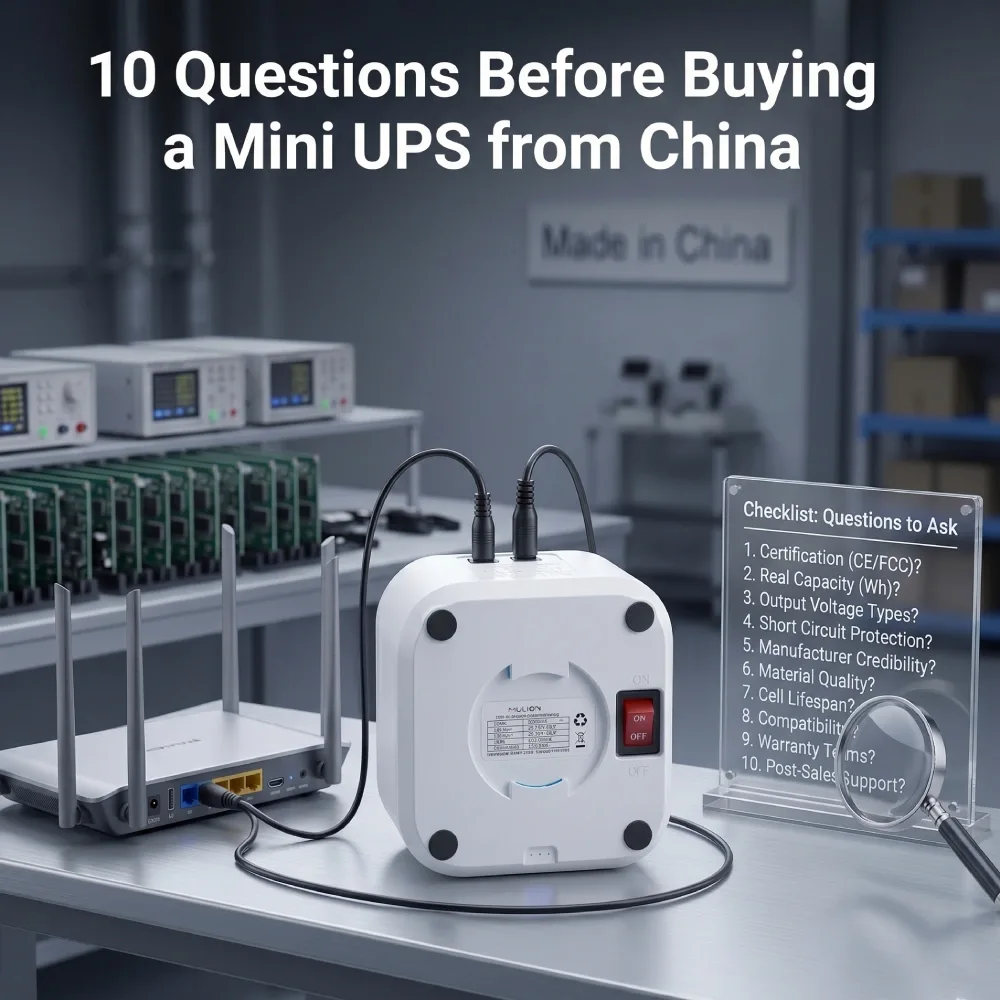
China ofrece una sólida cadena de suministro de baterías de litio y electrónica de potencia. Sin embargo, la calidad de Unidades mini UPS Varía significativamente entre proveedores. Para los compradores de telecomunicaciones, proveedores de servicios de internet e industria, el precio unitario más bajo rara vez se traduce en el menor costo total del proyecto. Hacer las preguntas adecuadas le ayudará a identificar un socio confiable, no solo un producto barato.
A continuación, encontrará diez preguntas esenciales para guiar la evaluación de sus proveedores, seguidas de preguntas frecuentes y los pasos prácticos a seguir.
1. ¿Para qué aplicación está diseñado el producto?
Un mini SAI diseñado para respaldo de routers, sistemas de videovigilancia o equipos de telecomunicaciones puede requerir una corriente de salida, un diseño de protección, una capacidad de batería y tipos de conectores diferentes. Asegúrese siempre de que la unidad se ajuste a sus necesidades específicas.
2. ¿Cuál es la corriente de salida continua real?
No se fíe únicamente de las afirmaciones publicitarias. Solicite la corriente de salida nominal, la capacidad de salida máxima y el umbral de protección contra sobrecorriente. Estas especificaciones determinan si la unidad puede soportar cargas reales.
3. ¿Qué tipo de celdas de batería se utilizan?
La marca, la capacidad, la composición química (LiFePO₄, iones de litio, etc.) y la consistencia de la celda influyen en la seguridad, el tiempo de respaldo y la vida útil. Un proveedor confiable revelará esta información sin dudarlo.
4. ¿Qué certificaciones y documentos de envío están disponibles?
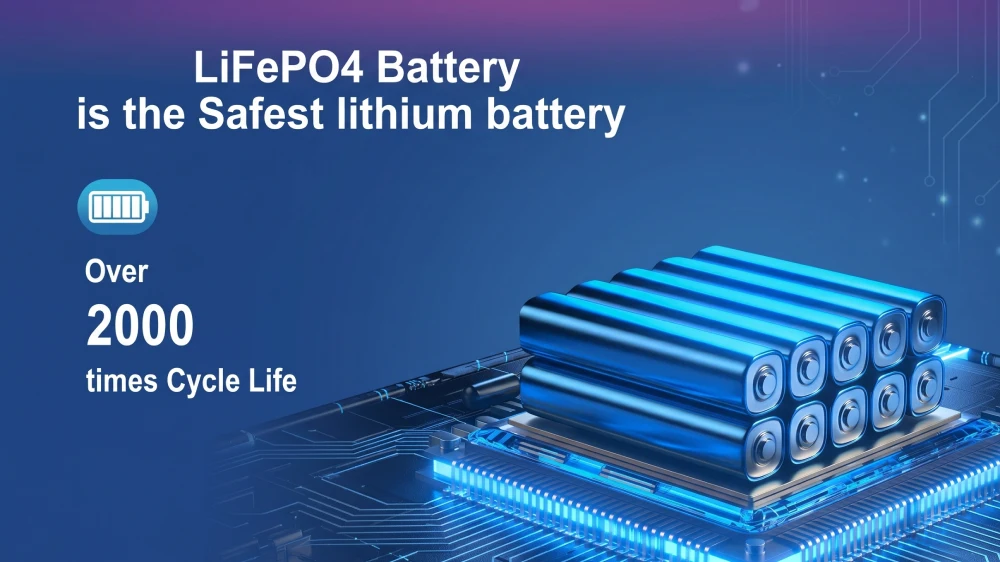
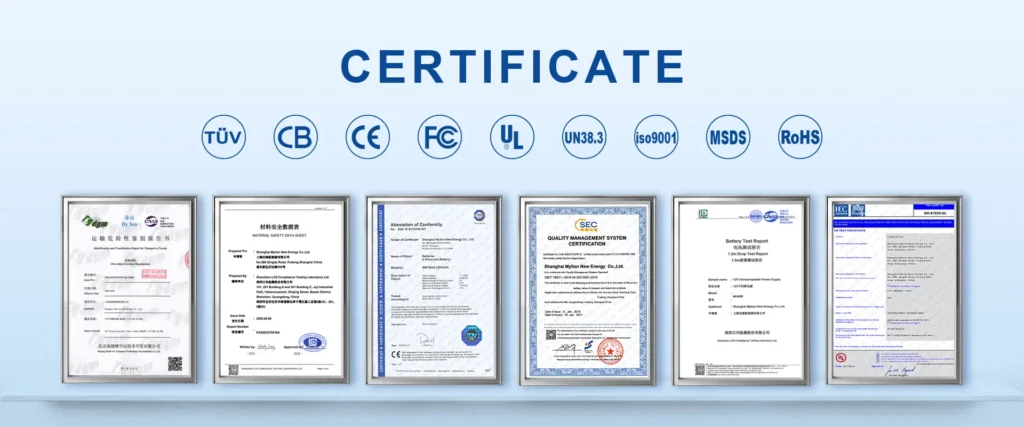
Solicite los documentos que coincidan exactamente con el modelo y la configuración de la batería. Certificaciones comunes Incluye las certificaciones CE, RoHS, UN38.3 y MSDS. Verifica que los documentos de envío (por ejemplo, el resumen de la prueba de la batería) sean específicos del modelo.
5. ¿Cómo se prueba cada unidad antes de su envío?
Un proveedor profesional mantiene registros de inspección de entrada, pruebas funcionales e inspección de salida. Solicite informes de pruebas o un video que muestre su proceso de control de calidad.
6. ¿Puede el proveedor ofrecer personalización?
Los proyectos B2B suelen requerir cables, conectores, etiquetas, embalajes, manuales, firmware o parámetros de protección personalizados. Evalúe si el proveedor cuenta con los recursos de ingeniería necesarios para gestionar estos cambios.
7. ¿Está lista la versión de muestra aprobada para su producción en masa?
La desviación de versiones es un riesgo oculto común. Asegúrese de que las unidades de producción coincidan con la muestra aprobada, a menos que se apruebe y vuelva a validar una orden de cambio documentada.
8. ¿Cómo gestiona el proveedor las quejas sobre la calidad?
Busque análisis de causa raíz basados en evidencia, no solo disculpas o promesas de reemplazo. Un buen proveedor compartirá informes de acciones correctivas e implementará mejoras en los procesos.
9. ¿Puede el proveedor brindar soporte para la comunicación del proyecto?
Los proyectos de telecomunicaciones y proveedores de servicios de internet (ISP) requieren coordinación técnica, comercial, de calidad y logística. Evalúe si el proveedor asigna un contacto o gerente de proyecto específico.
10. ¿El proveedor comprende su mercado?
Un proveedor familiarizado con las aplicaciones de respaldo para ISP, telecomunicaciones y B2B reduce los costos de comunicación y los riesgos del proyecto. Anticipará desafíos como picos de voltaje, temperaturas extremas o el cumplimiento de normativas regionales.
Preguntas frecuentes
P1: ¿Una empresa comercial siempre conlleva riesgos?
P2: ¿El mini SAI más económico es adecuado para proyectos de ISP?
P3: ¿Cuál es el mejor primer paso al evaluar a un proveedor?
P4: ¿Qué garantía y soporte técnico puedo esperar de un proveedor profesional de mini SAI?
Cómo MYLION apoya a los compradores
MYLION se especializa en Mini UPS de CC B2B y soluciones de respaldo de baterías de litio para aplicaciones de telecomunicaciones, ISP e industriales. Brindamos soporte a nuestros clientes con:
- Selección de productos y validación de muestras
- Requisitos personalizados de cables y etiquetas
- Preparación de documentos de certificación (CE, RoHS, UN38.3, etc.)
- Inspección de producción y documentación de envío
Nuestro objetivo es reducir el riesgo de su proyecto, no solo suministrar un producto.
¿Necesita una solución de respaldo de energía (UPS) mini o de batería de litio para ONT, ONU, router, CPE o equipos de telecomunicaciones? ¡Contacte a MYLION!
Nota de cumplimiento
Los requisitos de certificación dependen de la configuración del producto, el mercado objetivo, el adaptador de corriente, la capacidad de la batería y la aplicación final. Los compradores deben confirmar los requisitos aplicables antes de la producción en masa.
 Español
  English
  简体中文
简体中文  Deutsch
  Français
  Italiano