
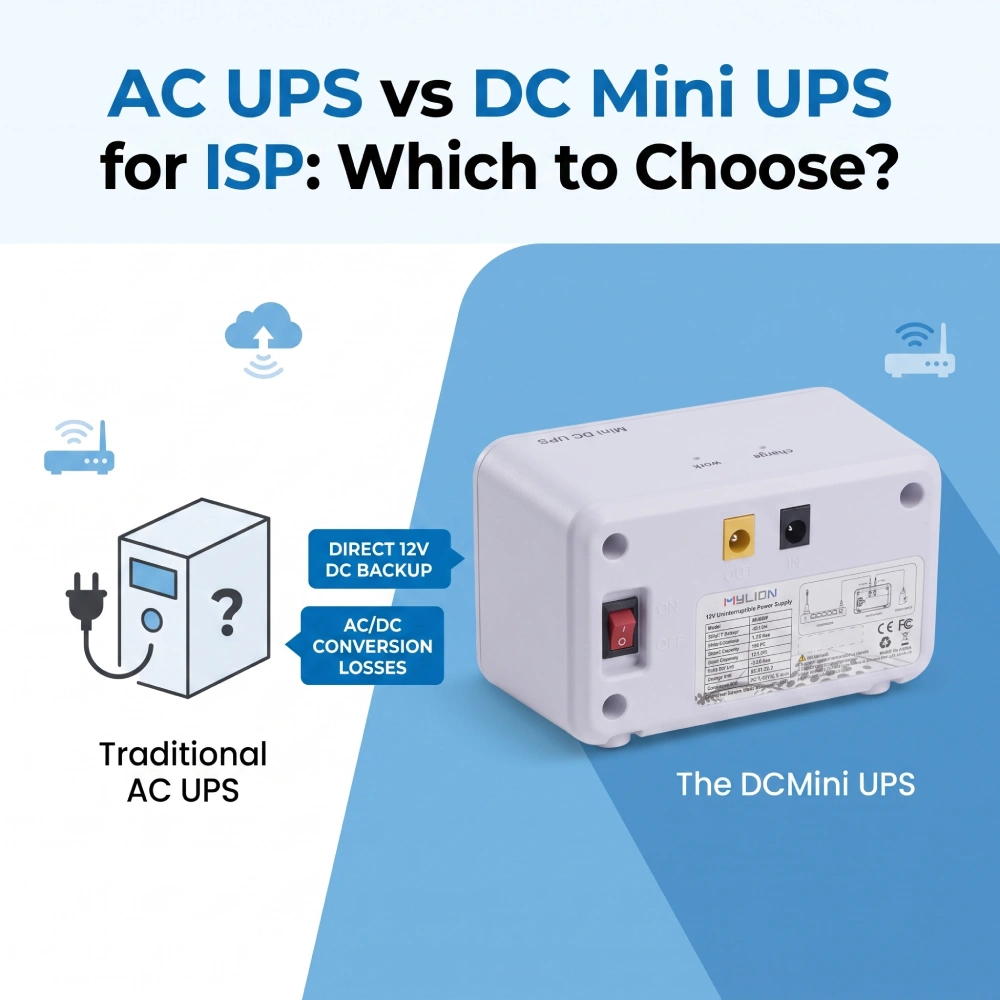
Per gli ISP, il tempo di attività della rete non è solo una metrica tecnica; è il fondamento della fidelizzazione dei clienti e della reputazione del marchio. Per contrastare le fluttuazioni di potenza e le interruzioni di rete, gli ISP implementano Sistemi UPS attraverso la loro infrastruttura.
Tuttavia, gli architetti di rete si trovano di fronte a una scelta critica: implementare soluzioni tradizionali Gruppo di continuità CA per ISP infrastrutture di base rispetto a quelle moderne Sistemi mini UPS DC ai margini della rete. Mentre gli UPS CA rimangono lo standard per il backup a livello macro, la rapida espansione della FTTH e delle reti edge ha spostato i requisiti di alimentazione verso gli UPS CC per le implementazioni di modem e router a banda larga.
Questa guida analizza le variabili tecniche e finanziarie della progettazione dell'alimentazione delle telecomunicazioni, evidenziando esattamente quando un ISP dovrebbe affidarsi a un UPS CA e perché le moderne reti edge stanno rapidamente passando a Soluzioni DC Mini UPS come il Mylion Mini UPS.
Comprendere le basi: alimentare l'infrastruttura degli ISP
Per prendere decisioni strategiche di implementazione, è fondamentale comprendere come l'energia si muove attraverso l'infrastruttura di telecomunicazioni. La rete elettrica commerciale fornisce energia in corrente alternata (CA), che periodicamente inverte la direzione. Tuttavia, quasi tutte le moderne apparecchiature di telecomunicazione e di rete, dai grandi router di rete centrale ai piccoli ONT nel salotto di un cliente, funzionano nativamente con alimentazione in corrente continua (CC).
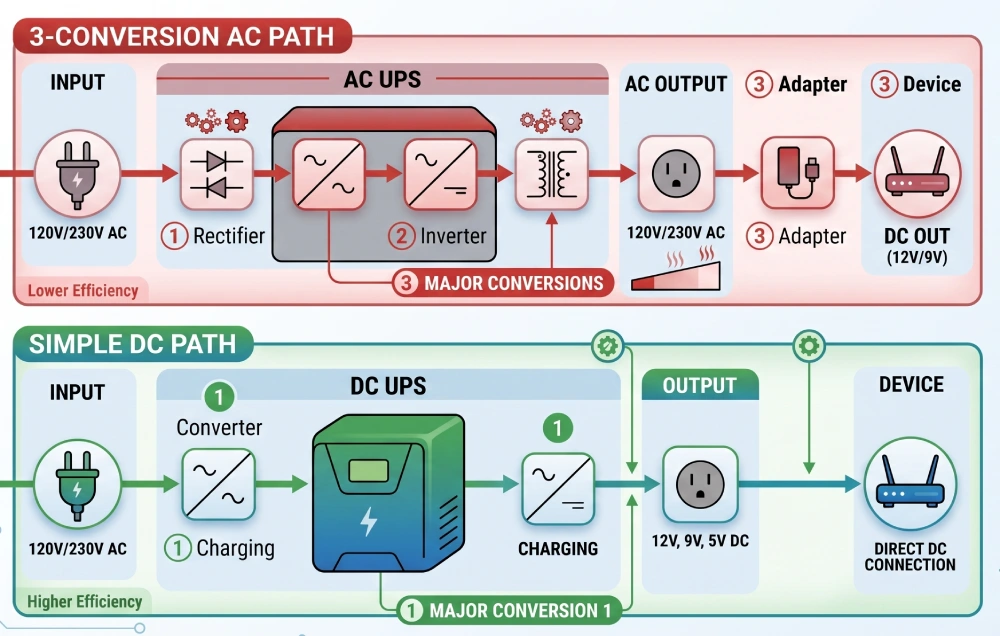
Un gruppo di continuità (UPS) CA Preleva corrente alternata dalla rete elettrica, la converte in corrente continua per caricare la sua batteria interna e poi la riconverte in corrente alternata per alimentare i dispositivi collegati.
Un mini UPS CCD'altro canto, preleva l'energia CA dalla rete, la converte in CC per caricare la batteria e la eroga direttamente al dispositivo di rete. Questo elimina completamente la fase finale di inversione, creando un sistema di alimentazione di backup semplificato ed estremamente efficiente per le reti periferiche degli ISP.
3 scenari in cui gli ISP dovrebbero scegliere un UPS CA
Nonostante la crescente popolarità dei sistemi di microalimentazione CC ai margini della rete, i tradizionali sistemi UPS CA rimangono insostituibili in diversi scenari di infrastruttura di rete. Gli architetti di rete dovrebbero specificare l'implementazione di UPS CA nelle seguenti condizioni:
Infrastruttura centrale ad alta potenza
Al centro della rete di qualsiasi ISP si trovano data center, centrali telefoniche e punti di presenza (PoP) primari. Questi ambienti ospitano router core di grandi dimensioni, switch di rete ad alte prestazioni e rack di server ad alta densità che richiedono migliaia di watt di potenza.
I sistemi UPS CA su larga scala, spesso operanti in parallelo e supportati da generatori diesel, sono le uniche soluzioni in grado di gestire gli ingenti carichi richiesti, le esigenze di dissipazione termica e la distribuzione di energia trifase necessarie alle infrastrutture di telecomunicazione centrali.
Compatibilità con apparecchiature legacy
Molti ISP utilizzano ancora hardware obsoleto nei loro centri di distribuzione. I vecchi gateway di telecomunicazione, i multiplexer di accesso DSL (DSLAM) su linea in rame e le apparecchiature diagnostiche specializzate spesso dispongono di alimentatori integrati solo in corrente alternata, senza opzioni di ingresso in corrente continua.
Quando un nodo dell'infrastruttura contiene hardware altamente specializzato o obsoleto che richiede rigorosamente una tensione CA standard di 110 V/220 V, un UPS CA è indispensabile per garantire la compatibilità senza invalidare le garanzie o richiedere modifiche elettroniche personalizzate.
Ambienti con dispositivi misti
Molti uffici periferici, punti di presenza (POP) e hub regionali degli ISP contengono un mix di apparecchiature: computer desktop, monitor, switch di rete e dispositivi di routing, oltre alle apparecchiature di telecomunicazione.
In questi ambienti, un singolo UPS CA può alimentare simultaneamente più tipi di dispositivi. Funge da rete di sicurezza energetica universale in grado di mantenere funzionante l'intero ambiente fisico durante un'interruzione della rete elettrica, non solo i pacchetti di dati.
UPS CA vs Mini UPS CC per ISP: Matrice di implementazione per livello di rete
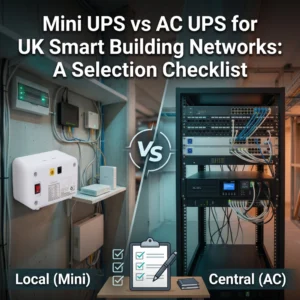
Per semplificare la pianificazione dell'infrastruttura, gli architetti di rete possono fare riferimento a questa matrice di implementazione ottimizzata. Essa allinea il metodo di alimentazione corretto con specifici livelli di rete, garantendo che i sistemi CA per impieghi gravosi rimangano nel core mentre le soluzioni agili a conversione zero come Gruppo di continuità Mylion Mini dominare il bordo.
Scenario di implementazione | Soluzione consigliata | Giustificazione principale |
Centri dati e uffici centrali | Gruppo di continuità AC | Elevato consumo energetico, alimentazione trifase, carichi IT complessi. |
Hub hardware legacy | Gruppo di continuità AC | Requisiti rigorosi per ingressi standard a 110 V/220 V. |
Impianti polifunzionali | Gruppo di continuità AC | È necessario alimentare sia le apparecchiature IT che i normali elettrodomestici della struttura. |
Apparecchiature presso i locali del cliente (CPE) | Mini UPS CC | Ingombro ridotto, elimina la perdita di conversione, alimentazione diretta al router. |
Terminali di rete ottica FTTH | Mini UPS CC | Adatto per l'installazione in quadri elettrici, alta efficienza, scalabilità economica. |
Punti di accesso PoE remoti | Mini UPS CC | Distribuzione nativa da data center, funzionalità di iniezione PoE integrate. |
Perché i mini UPS DC dominano le reti edge degli ISP
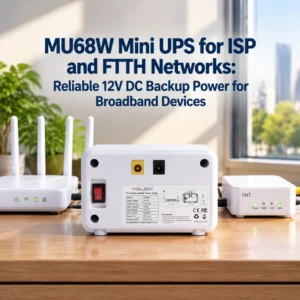
Per risolvere il problema dell'alimentazione periferica, gli ISP lungimiranti stanno abbandonando le ingombranti unità CA a favore di soluzioni mirate. micropotenza CC soluzioni. Fornendo alimentazione CC direttamente ai dispositivi edge alimentati in CC, tra cui router, ONT, E CPE—I provider di servizi Internet eliminano la perdita di conversione, riducono l'ingombro delle apparecchiature e migliorano l'esperienza dell'utente finale.
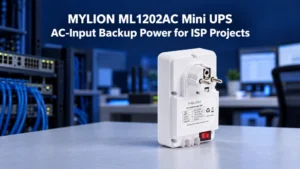
Questo è dove il Gruppo di continuità Mylion Mini è diventato un asset strategico per gli operatori di telecomunicazioni. Progettato specificamente per resilienza della rete ISP, il Mylion Mini UPS si integra direttamente tra la presa a muro e il CPE (come un router, modem o ONT), offrendo diversi vantaggi distinti:
- Efficienza energetica diretta:Fornendo tensioni CC precise (comunemente 5V, 9V o 12V), Mylion elimina la penalità della doppia conversione. Mini UPS CC per router Fornisce energia in modo efficiente dalla batteria direttamente alla scheda madre del router.
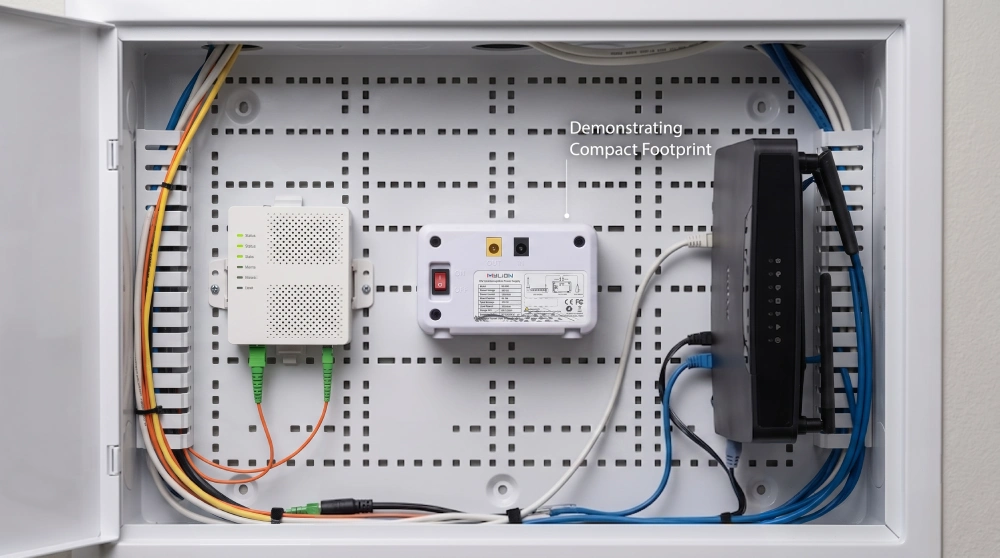
- Ingombro ridotto e scalabilità:Con dimensioni pari a una frazione di quelle delle unità di condizionamento tradizionali, il Mini UPS per ISP Le installazioni possono essere facilmente montate all'interno di quadri di cablaggio strutturato.
- Tecnologia avanzata al litio:A differenza delle tradizionali batterie SLA che si guastano dopo due anni, Mylion utilizza Batteria LiFePO₄ tecnologia, fornendo più a lungo alimentazione di riserva per FTTH
- Funzionalità PoE:Alcuni modelli Mylion offrono il supporto PoE integrato, consentendo agli ISP di alimentare antenne esterne remote, punti di accesso wireless o telefoni VoIP.
Garantendo che la connessione Wi-Fi e in fibra locale rimanga attiva anche in caso di interruzione di corrente nel quartiere, i provider di servizi Internet (ISP) si avvalgono dei prodotti Mylion per rispettare gli accordi sul livello di servizio (SLA) e mantenere i clienti connessi durante le emergenze critiche.
Domande frequenti
D1: Posso utilizzare un mini UPS CC per alimentare apparecchiature CA?
D2: Posso utilizzare un UPS CA per alimentare router e ONT CC?
D3: Quale autonomia di backup posso aspettarmi da un UPS Mylion Mini DC?
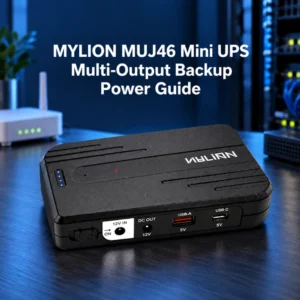
D4: Le unità Mylion Mini UPS supportano uscite a tensione multipla?
D5: Quale tecnologia di batterie utilizzano i mini UPS Mylion?
D6: Il tempo di trasferimento zero è importante per le apparecchiature ISP?
Conclusione
L'architettura della moderna distribuzione via internet si sta avvicinando al consumatore, rendendo affidabilità della rete periferica più critico che mai. Sebbene robusto Gruppo di continuità AC Sebbene i sistemi avranno sempre una presenza obbligatoria nei data center, nelle centrali telefoniche e negli ambienti multi-servizio, sono fondamentalmente inadatti all'ambiente periferico della rete.
Per CPE, FTTH nodi e hardware di routing localizzato, gli ISP devono adottare Alimentazione da CC a CC, che offre un'efficienza senza pari, un ingombro fisico ridotto e una durata della batteria superiore. Grazie all'implementazione Soluzioni DC Mini UPSIn questo modo, gli ISP possono garantire che i loro endpoint di rete più vulnerabili rimangano resilienti, mantenendo i clienti connessi senza interruzioni indipendentemente dalla stabilità della rete locale.
 Italiano
  English
  简体中文
简体中文  Deutsch
  Français
  Español