
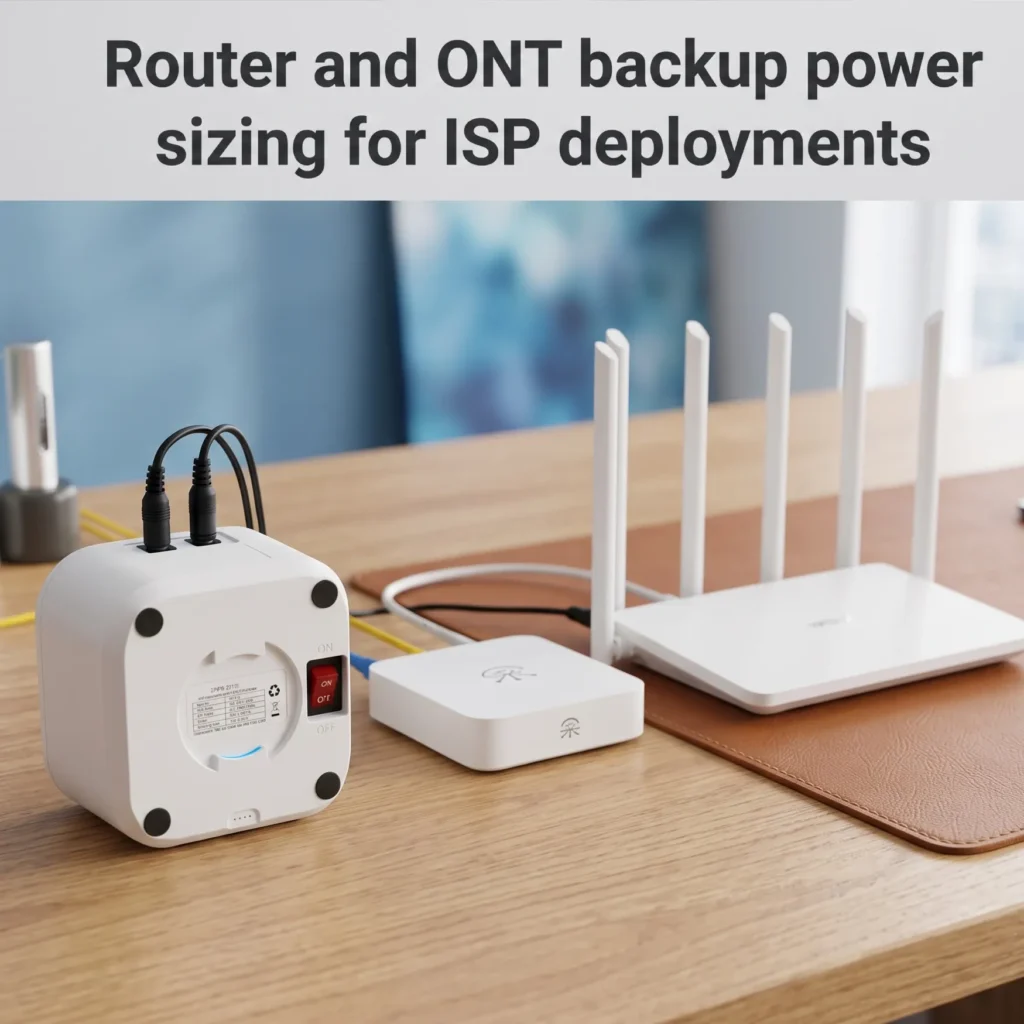
Einleitung: Das versteckte Risiko bei der Gateway-Notstromversorgung
Glasfasernetze bieten zwar beispiellose Geschwindigkeiten, bergen aber eine entscheidende Schwachstelle: die Abhängigkeit von der lokalen Stromversorgung. Anders als herkömmliche Kupferleitungen führen Glasfaserkabel keinen elektrischen Strom. Bei einem lokalen Stromausfall bricht die optische Verbindung sofort zusammen. zuverlässige Notstromversorgung für Router und ONT.
Für ISPs bedeutet dies die Bereitstellung eines angemessen dimensionierten Mini-USV ist eine zwingende Betriebsvoraussetzung. Dieser Leitfaden erläutert die genauen Berechnungen, Hardwareanforderungen und Bereitstellungsstrategien für die Skalierung ausfallsicherer Netzwerke mithilfe von Mini-USV für Router und ONT Setups.
Die entscheidende Rolle unterbrechungsfreier Konnektivität in modernen ISP-Netzwerken
Stromausfälle gefährden unmittelbar die Rentabilität und den Ruf von Internetanbietern. Verbraucher erwarten eine ständige Internetverbindung für mobiles Arbeiten, Telemedizin und die Sicherheit ihrer Häuser.
Direkte Auswirkungen von Ausfällen auf das Geschäft:
- Kundenabwanderung:Häufige Verbindungsabbrüche treiben Abonnenten zu Konkurrenzanbietern.
- SLA-Strafen:Unternehmenskunden benötigen garantierte Verfügbarkeit, was Notstromversorgung für Router und ONT unerlässlich, um finanzielle Strafen zu vermeiden.
- Supportkosten:Lokale Stromausfälle führen zu einem massiven Anstieg der Supportanfragen und zu kostspieligen Technikereinsätzen.
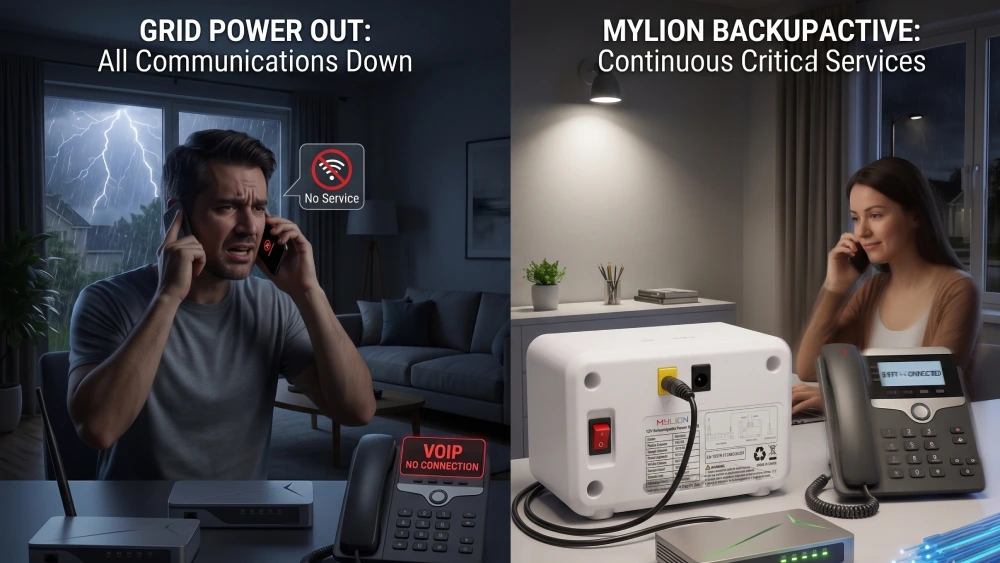
Der Übergang zur Glasfasertechnik
Die Umstellung auf Glasfaser erfordert eine lokale Datensicherung an den Endgeräten. Kundengeräte (CPE) benötigen eine aktive, lokale Stromversorgung, idealerweise über ein dediziertes Kabel. Mini-USV.
Netzwerktyp | Stromversorgungsmethode | Ausfallsicherheit |
Legacy Copper | Niederspannungs-Gleichstrom von der zentralen Vermittlungsstelle | Niedrig (Selbstversorgend bei Stromausfällen) |
Aktive Glasfaser (FTTH) | Lokale Wandsteckdose beim Kunden | Hoch (erfordert Notstromversorgung für Router und ONT) |
Durch den Einsatz eines Mini-USV für ISP-EinsätzeAnbieter beseitigen diese Schwachstelle. Proaktive Notstromversorgung mit einem hochwertigen System Mini-USV Schützt die Hardware, reduziert die Supportkosten und garantiert einen unterbrechungsfreien Betrieb.
Berechnung des Stromverbrauchs von Routern und ONTs
Eine präzise Leistungsberechnung verhindert vorzeitige Batterieentladung in Ihrem Mini-USV für Router und ONT Konfigurationen und vermeidet unnötige Mehrausgaben für überdimensionierte Einheiten.
Die Kernformel
Die Leistungsberechnung basiert auf Standardkennwerten der Elektrotechnik. Die meisten Endgeräte der Telekommunikation arbeiten mit Gleichstrom (DC).
- Formel:Watt = Volt × Ampere (W = V × A)
Typischer Stromverbrauch für CPE-Hardware
Unterschiedliche Hardwarekonfigurationen erfordern völlig unterschiedliche Notstromversorgung für Router und ONT Ebenen.
Gerätetyp | Typische Spannung | Typische Stromstärke | Geschätzte Leistungsaufnahme (Watt) |
Standard Residential ONT | 12V | 0,5 A – 1,0 A | 6 W – 12 W |
Einfacher WLAN-Router | 12V | 1,0 A | 12W |
Wi-Fi 6/7 Router | 12V | 2,0 A – 3,0 A | 24 W – 36 W |
Stromverbrauch im Spitzenbereich vs. im Leerlauf
Internetanbieter müssen die Größe jeder Mini-USV für ISP-Einsätze basiert auf der Spitzenlast, nicht auf dem Leerlaufverbrauch.
- Leerlauflast:Der Stromverbrauch im Ruhezustand des Netzwerks.
- Spitzenlast:Der Stromverbrauch bei intensiver Datenübertragung (4K-Streaming, große Downloads).
Größenangaben Mini-USV Eine ausschließliche Berücksichtigung des Leerlaufverbrauchs würde dazu führen, dass das Backup-System bei starker Auslastung überlastet wird und sich abschaltet.
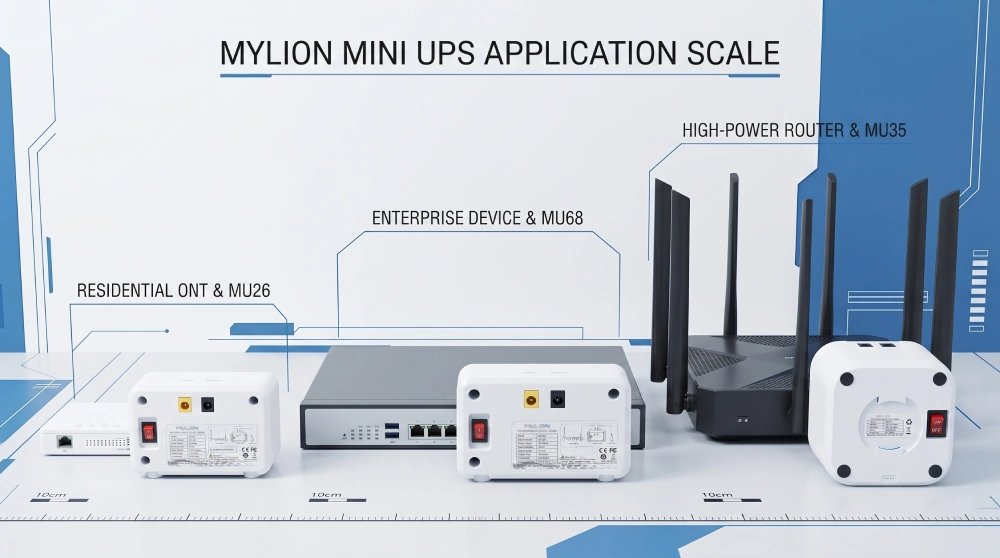
Wichtige Überlegungen zur Dimensionierung Ihrer Notstromsysteme
Umrechnung der CPE-Wattzahl in die tatsächliche Batteriekapazität für ein Mini-USV für Router und ONT erfordert die Bewertung von Laufzeitzielen, Batteriechemie und systembedingten Ineffizienzen.
Die Grundformel ist einfach:
Batteriekapazität (Wh) = Gerätelast (W) × Gewünschte Laufzeit (Stunden)
6 W × 4 Stunden = 24Mindestbatteriekapazität in Wh
Laufzeitebenen für ISP-Bereitstellungen
Nicht jede Bereitstellung erfordert dieselbe Laufzeitumgebung. ISPs müssen Laufzeitziele für ihre jeweiligen Umgebungen definieren. Notstromversorgung für Router und ONTDer Schlüssel liegt darin, die Laufzeitumgebung an den jeweiligen Anwendungsfall anzupassen:
Stufe | Laufzeitziel | Anwendungsfall | Empfohlene Kapazität |
Kurz | 15–30 Minuten | Kurzes Flackern, stabile Gitterbereiche | 19–25 Wh |
Standard | 1–2 Stunden | Vorstadtgebiete, moderate Netzstabilität | 30–40 Wh |
Erweitert | 3–6 Stunden | Häufige Ausfälle, Einsätze in ländlichen Gebieten | 45–70 Wh |
Lang | 6+ Stunden | Instabile Stromnetze, kritische Infrastruktur | 70+ Wh |
Bei den meisten ISP-Projekten besteht das Ziel darin, die Versorgungslücke bei kurzzeitigen Stromausfällen oder lokalen Stromunterbrechungen zu schließen. 2 bis 4 Stunden.
Bewertung der Batteriechemie
Modern Mini-USV für ISP-Einsätze Sie benötigen kompakte und effiziente Energiespeicher.
Besonderheit | Lithium-Ionen-/LiFePO4-Mini-USV | Traditionelle Blei-Säure-USV |
Energiedichte | Hoch (Kompakte Stellfläche) | Niedrig (sperrig und schwer) |
Lebensdauer | Mehr als 2000 Zyklen | 300 – 500 Zyklen |
Wartung | Wartungsfrei | Regelmäßiger Austausch erforderlich |
Aufladegeschwindigkeit | Schnell (2-4 Stunden) | Langsam (8-12 Stunden) |
Effizienzverluste und Batteriealterung
A Mini-USV liefert nicht 100% seiner gespeicherten Energie an das Gerät.
- Wechselrichter-/BMS-Verlust:Berechnen Sie den Leistungsverlust von 15% auf 20% für das interne Batteriemanagementsystem (BMS).
- Altersbedingte Beeinträchtigung:Lithiumbatterien verlieren im Laufe ihrer Lebensdauer ihre Gesamtkapazität.
Um eine 4-stündige Notstromversorgung für Router und ONT Im fünften Jahr der Implementierung sollten ISPs die anfängliche Wh-Kapazität um etwa 20% überdimensionieren.
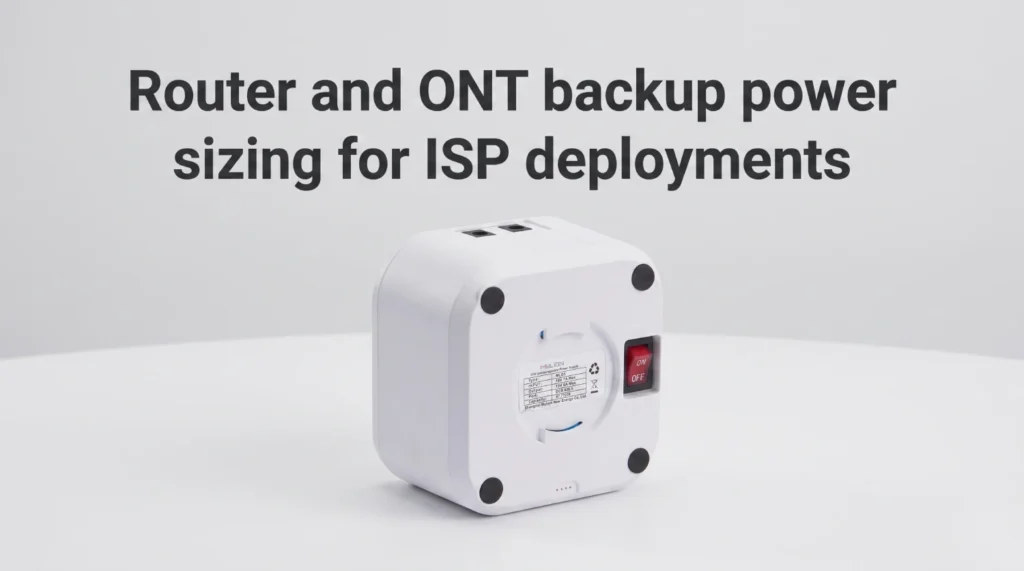
Zuordnung von Mylion-Modellen zu spezifischen ISP-Bereitstellungsszenarien
Mylion strukturiert seine Produktpalette nach Leistungsstufe, Laufzeitkapazität und Spannungsarchitektur, um sicherzustellen, dass Sie genau das richtige Produkt einsetzen. Mini-USV für ISP-Einsätze.
Durch die Bewertung der regionalen Netzstabilität können Internetdienstanbieter die tatsächlichen Mylion-Modelle strategisch an die Umgebung des Abonnenten anpassen:
Einsatzszenario | Netzzustand | Empfohlenes Mylion-Modell | Wichtigste Spezifikationen & Anwendung |
Kurze Flackern und stabile Gitterbereiche | Hohe Stabilität | (12V 3A) | 19,24 Wh. Ideal für einfache ONTs im Wohnbereich. |
Vorstadt-Einsätze mit mäßiger Netzstabilität | Gelegentliche Tropfen | (12V 3A) | 44,4 Wh. Bietet ein ausgewogenes Verhältnis zwischen Kosten und Laufzeit für Dual-Router/ONT-Setups. |
Häufige Stromausfälle und Einsätze in ländlichen Gebieten | Unzuverlässige Stromversorgung | (12V 5A) | 77,7 Wh. Hohe Leistung für verlängerte Offline-Zeiten. |
Instabile Stromnetze und kritische Infrastrukturen | Schwere Netzprobleme | (24 V 3 A / 48 V 1 A )
| LiFePO4. Entwickelt für kleine Basisstationen und kritische IoT-Anwendungen. |

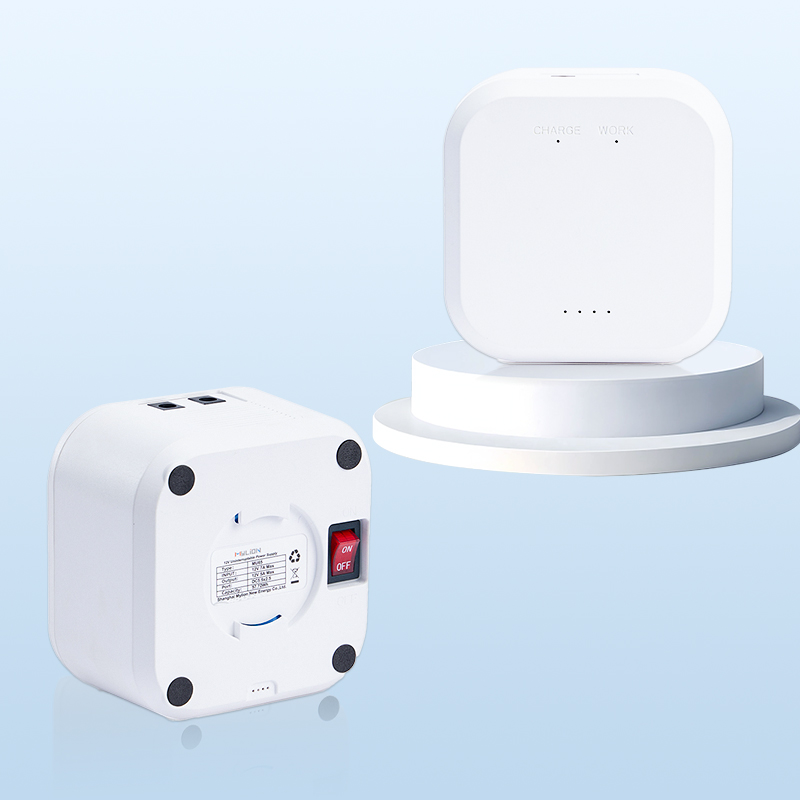
MU68 Mini-USV
MU35 Mini-USV
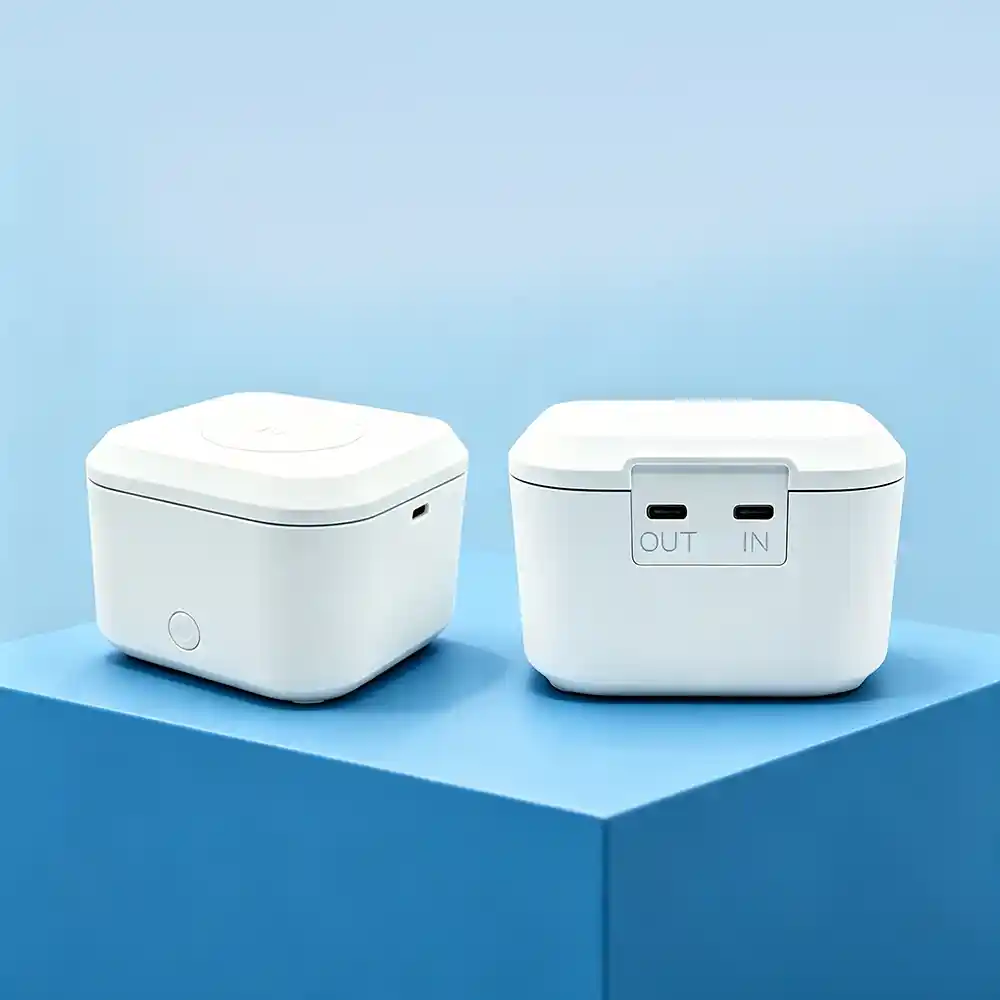
MUC85 Mini-USV
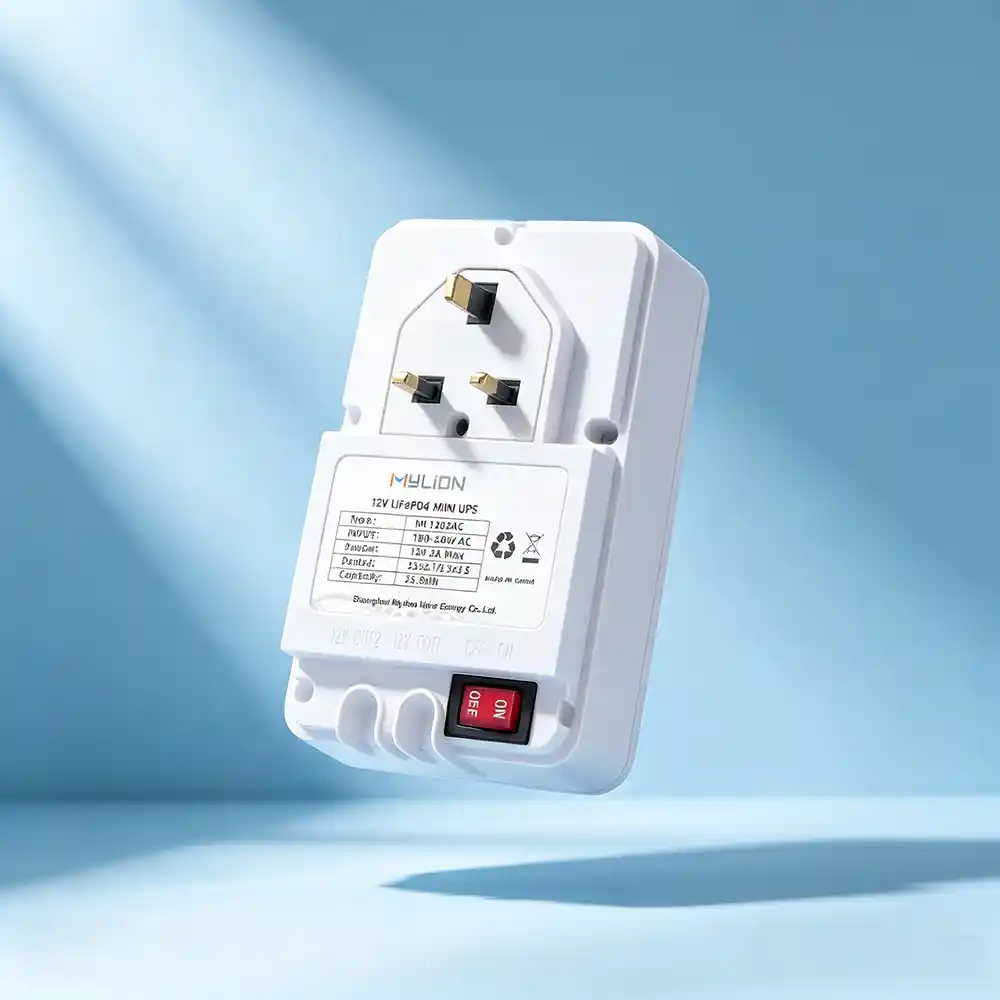
ML1202AC Mini-USV
Nutzung von Mylion Mini-USV-Lösungen für optimierte ISP-Implementierungen
Mylion entwickelt Hardware speziell für die Anforderungen der B2B-Telekommunikation. Mini-USV für Router und ONT wird durch den Betrieb mit Gleichstrom (DC) auf maximale Effizienz ausgelegt, wodurch die Leistungsverluste, die bei Wechselstrom-Gleichstrom-Wandadaptern auftreten, umgangen werden.
Wichtige Merkmale für die Telekommunikation
- Vielseitige Gleichstromausgänge:Wählbare oder dedizierte Ports (5V, 9V, 12V, 24V PoE) ermöglichen es ISPs, einen einzigen Port zu standardisieren. Mini-USV Modell über verschiedene CPE-Hardwaregenerationen hinweg.
- Hochleistungs-Lithiumzellen:Hochwertige Batteriezellen bieten eine hohe Energiespeicherkapazität für längere Laufzeiten. Notstromversorgung für Router und ONT in einem kompakten, schreibtischfreundlichen Format.
- Intelligentes Batteriemanagementsystem:Integrierte Steuerungen in jedem Mini-USV für ISP-Einsätze Schutz vor Überladung, Tiefentladung, Kurzschlüssen und thermischen Ereignissen.
Häufig gestellte Fragen
Frage 1: Wie ermittle ich den tatsächlichen Stromverbrauch meines ONT oder Routers?
Frage 2: Welche Laufzeitumgebung sollte ich für meine ISP-Bereitstellung anvisieren?
Frage 3: Kann ich sowohl ein ONT als auch einen Router mit einer einzigen Mini-USV betreiben?
Frage 4: Welche Standardlaufzeit ist für ein ONT während eines typischen Stromausfalls in einem Privathaushalt erforderlich?
Frage 5: Wie hoch ist die zu erwartende Lebensdauer und der Wartungsaufwand für eine Mini-USV im Standardeinsatz?
Abschluss
Die Dimensionierung der Notstromversorgung für Router- und ONT-Installationen erfordert mehr als einfache Annahmen. Die Bereitstellung einer bedarfsgerechten Notstromversorgung für Router und ONTs erfolgt über ein dediziertes System. Mini-USV minimiert die Kundenabwanderung, reduziert den Aufwand für den technischen Support drastisch und bietet die von den Verbrauchern geforderte unterbrechungsfreie Konnektivität.
Mylion bietet eine speziell entwickelte Mini-USV-Lösung Für jedes ISP-Einsatzszenario. Mit flexiblen Spannungsoptionen, kundenspezifischer Steckerunterstützung und strenger Qualitätskontrolle bietet MYLION die Zuverlässigkeit, die Netzwerkbetreiber benötigen.


 Deutsch
  English
  简体中文
简体中文  Français
  Italiano
  Español