
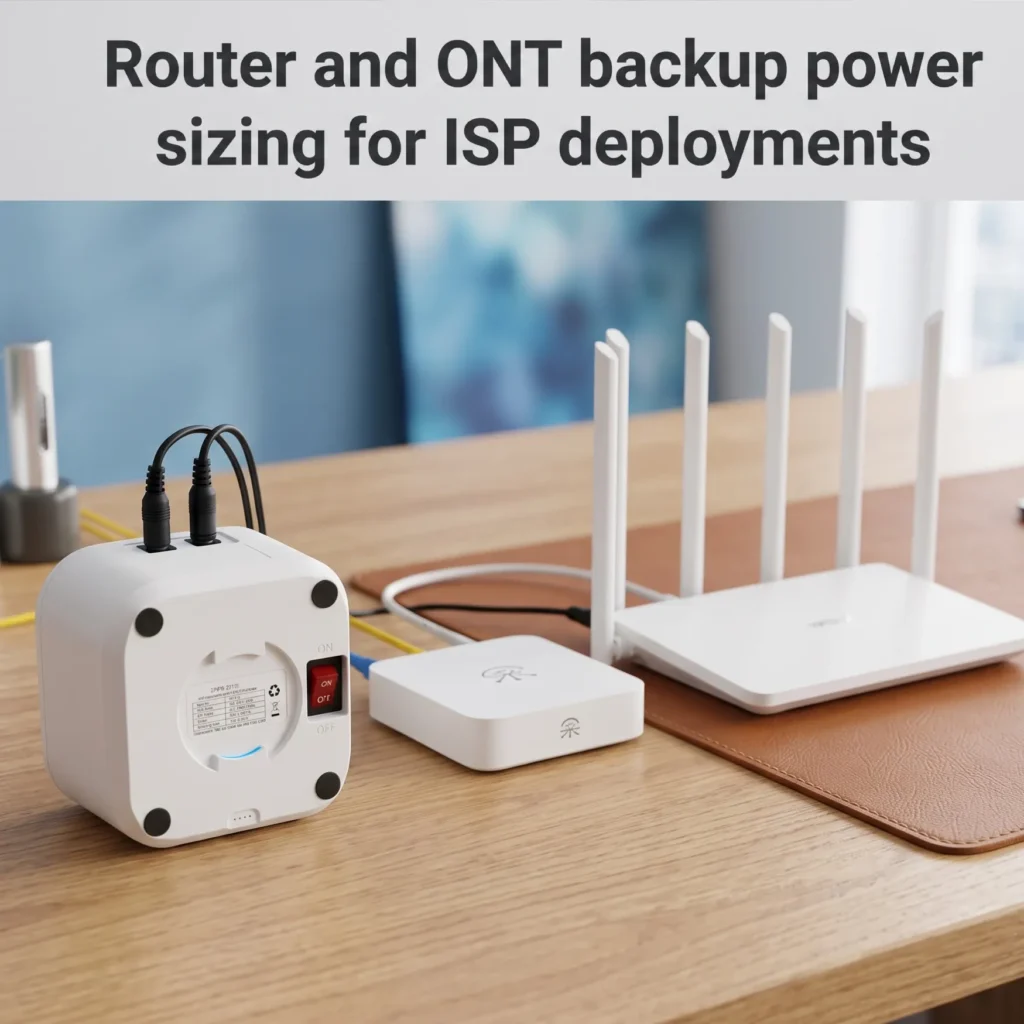
Introduzione: Il rischio nascosto nell'alimentazione di backup del gateway
Le reti in fibra ottica offrono una velocità senza precedenti, ma introducono una vulnerabilità critica: la dipendenza dall'alimentazione locale. A differenza delle tradizionali linee in rame, i cavi in fibra ottica non trasportano corrente elettrica. Quando si verifica un'interruzione di corrente localizzata, il collegamento ottico si interrompe immediatamente senza Alimentazione di backup affidabile per router e ONT.
Per gli ISP, implementare un sistema di dimensioni adeguate Mini-UPS è un requisito operativo obbligatorio. Questa guida illustra i calcoli precisi, i requisiti hardware e le strategie di implementazione per scalare le reti resilienti utilizzando un Mini UPS per router e ONT configurazioni.
Il ruolo cruciale della connettività ininterrotta nelle moderne reti ISP
Le interruzioni di corrente minacciano direttamente la redditività e la reputazione dei fornitori di servizi Internet. I consumatori si aspettano una connettività sempre attiva per il lavoro da remoto, la telemedicina e la sicurezza domestica.
Impatto diretto delle interruzioni di servizio sulle attività aziendali:
- Tasso di abbandono dei clienti:Le frequenti interruzioni di connessione spingono gli abbonati a rivolgersi a fornitori concorrenti.
- Penalità SLA:I clienti aziendali richiedono tempi di attività garantiti, rendendo Alimentazione di backup per router e ONT essenziale per evitare sanzioni finanziarie.
- Costi di supporto:I blackout locali provocano picchi enormi di richieste di assistenza e costosi interventi di tecnici.
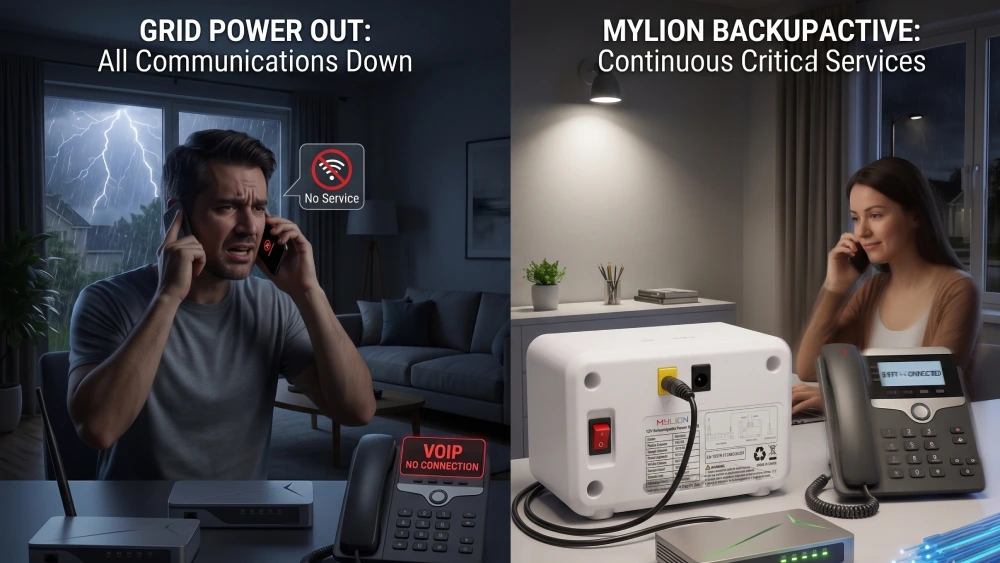
La transizione alla fibra ottica
Il passaggio alla fibra impone il backup locale degli endpoint. L'apparecchiatura del cliente (CPE) richiede una fonte di alimentazione locale attiva, idealmente tramite un'alimentazione dedicata. Mini-UPS.
Tipo di rete | Metodo di erogazione dell'energia | Vulnerabilità all'interruzione di servizio |
Legacy Copper | Corrente continua a bassa tensione dalla centrale | Basso (Autoalimentato durante i blackout) |
Fibra attiva (FTTH) | Presa di corrente locale presso la sede del cliente | Alto (richiede Alimentazione di backup per router e ONT) |
Utilizzando un Mini UPS per implementazioni ISP, i fornitori eliminano questa vulnerabilità. Alimentazione di backup proattiva utilizzando un sistema di alta qualità Mini-UPS Protegge l'hardware, riduce i costi di assistenza e garantisce un servizio ininterrotto.
Calcolo del consumo energetico di router e ONT
Il calcolo preciso della potenza previene l'esaurimento prematuro della batteria nel tuo Mini UPS per router e ONT configurazioni ed evita spese eccessive e inutili per unità sovradimensionate.
La formula principale
Il calcolo della potenza si basa su parametri elettrici standard. La maggior parte dei dispositivi periferici di telecomunicazione funziona a corrente continua (CC).
- Formula:Watt = Volt × Ampere (W = V × A)
Consumo energetico tipico dell'hardware CPE
Le diverse configurazioni hardware richiedono soluzioni molto diverse Alimentazione di backup per router e ONT livelli.
Tipo di apparecchiatura | Tensione tipica | Amperaggio tipico | Consumo energetico stimato (Watt) |
ONT residenziale standard | 12V | 0,5 A – 1,0 A | 6W – 12W |
Router Wi-Fi di base | 12V | 1.0A | 12W |
Router Wi-Fi 6/7 | 12V | 2,0 A – 3,0 A | 24W – 36W |
Consumo energetico di picco rispetto al consumo inattivo
Gli ISP devono dimensionare qualsiasi Mini UPS per implementazioni ISP basato sul carico di picco, non sul consumo a vuoto.
- Carico a vuoto:Il consumo energetico quando la rete è inattiva.
- Carico di picco:Il consumo energetico durante la trasmissione di grandi quantità di dati (streaming 4K, download di grandi dimensioni).
Taglia Mini-UPS Un sistema basato esclusivamente sul consumo inattivo rischia di sovraccaricare il sistema di backup e di arrestarlo in caso di utilizzo intenso.
Considerazioni chiave per il dimensionamento dei sistemi di alimentazione di emergenza
Conversione della potenza CPE in capacità effettiva della batteria per un Mini UPS per router e ONT richiede la valutazione degli obiettivi di autonomia, della chimica della batteria e delle inefficienze intrinseche del sistema.
La formula fondamentale è semplice:
Capacità della batteria (Wh) = Carico del dispositivo (W) × Autonomia desiderata (ore)
6W × 4 ore = 24Capacità minima della batteria Wh
Livelli di runtime per le implementazioni ISP
Non tutte le implementazioni richiedono lo stesso tempo di esecuzione. Gli ISP devono definire obiettivi di tempo di esecuzione per le loro Alimentazione di backup per router e ONTLa chiave sta nell'adattare il tempo di esecuzione al caso d'uso specifico:
Livello | Obiettivo di tempo di esecuzione | Caso d'uso | Capacità consigliata |
Corto | 15–30 min | Brevi sfarfallii, aree di griglia stabili | 19–25 Wh |
Standard | 1-2 ore | Dispiegamenti suburbani, stabilità moderata della rete | 30–40 Wh |
Esteso | 3–6 ore | Interruzioni frequenti, implementazioni in aree rurali | 45–70 Wh |
Lungo | 6+ ore | Reti elettriche instabili, infrastrutture critiche | Oltre 70 Wh |
Per la maggior parte dei progetti ISP, l'obiettivo è colmare il divario durante sbalzi di corrente intermittenti o interruzioni localizzate della durata Da 2 a 4 ore.
Valutazione della chimica della batteria
Moderno Mini UPS per implementazioni ISP richiedono sistemi di accumulo di energia compatti ed efficienti.
Caratteristica | Mini UPS agli ioni di litio / LiFePO4 | UPS tradizionale al piombo-acido |
Densità energetica | Alto (ingombro ridotto) | Basso (ingombrante e pesante) |
Ciclo di vita | Oltre 2.000 cicli | 300 – 500 cicli |
Manutenzione | Zero manutenzione | Richiede una sostituzione periodica |
Velocità di ricarica | Veloce (2-4 ore) | Lento (8-12 ore) |
Perdita di efficienza e degrado della batteria
UN Mini-UPS non fornisce 100% della sua energia immagazzinata al dispositivo.
- Perdita dell'inverter/BMS:Calcolare la perdita di potenza da 15% a 20% per il sistema interno di gestione della batteria (BMS).
- Degradazione dovuta all'età:Le batterie al litio perdono la loro capacità totale nel corso della loro vita utile.
Per garantire 4 ore Alimentazione di backup per router e ONT Al quinto anno di implementazione, gli ISP dovrebbero sovradimensionare la capacità iniziale in Wh di circa 20%.
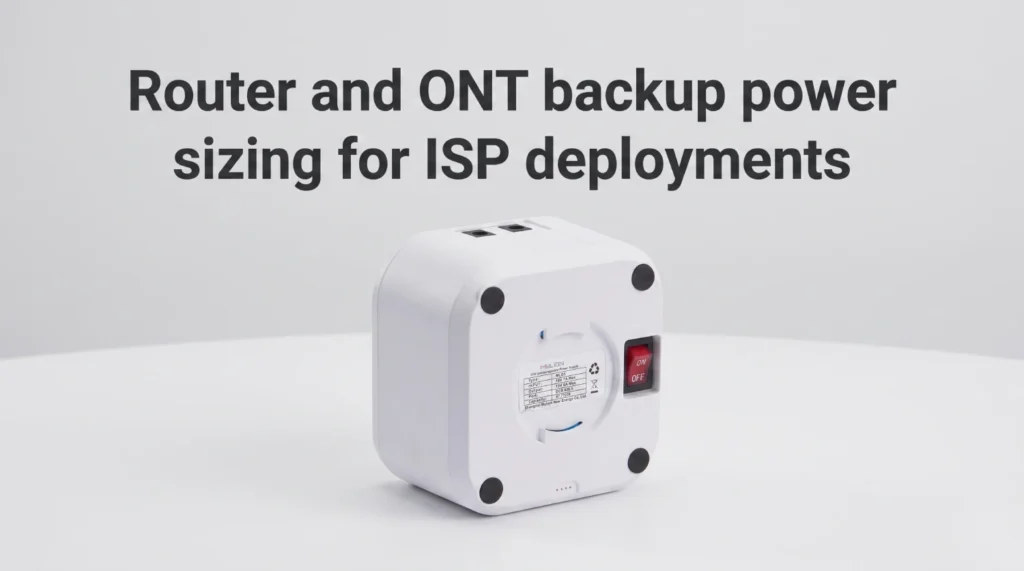
Abbinamento dei modelli Mylion a specifici scenari di implementazione degli ISP
Mylion struttura la sua linea di prodotti in base al livello di potenza, alla capacità di autonomia e all'architettura di tensione per garantire che tu implementi esattamente quello giusto Mini UPS per implementazioni ISP.
Valutando la stabilità della rete regionale, gli ISP possono adattare strategicamente i modelli Mylion effettivi all'ambiente dell'abbonato:
Scenario di implementazione | Condizione della griglia | Modello Mylion consigliato | Specifiche principali e applicazione |
Brevi sfarfallii e aree di griglia stabili | Alta affidabilità | (12V 3A) | 19,24 Wh. Ideale per ONT residenziali di base. |
Dispiegamenti in aree suburbane con stabilità di rete moderata | Gocce occasionali | (12V 3A) | 44,4 Wh. Bilancia costi e autonomia per configurazioni con doppio router/ONT. |
Interruzioni frequenti e interventi in aree rurali | Alimentazione elettrica inaffidabile | (12V 5A) | 77,7 Wh. Elevata potenza per un utilizzo offline prolungato. |
Reti elettriche instabili e infrastrutture critiche | Gravi problemi alla rete elettrica | (24 V 3 A / 48 V 1 A )
| LiFePO4. Progettato per piccole stazioni base e applicazioni IoT critiche. |

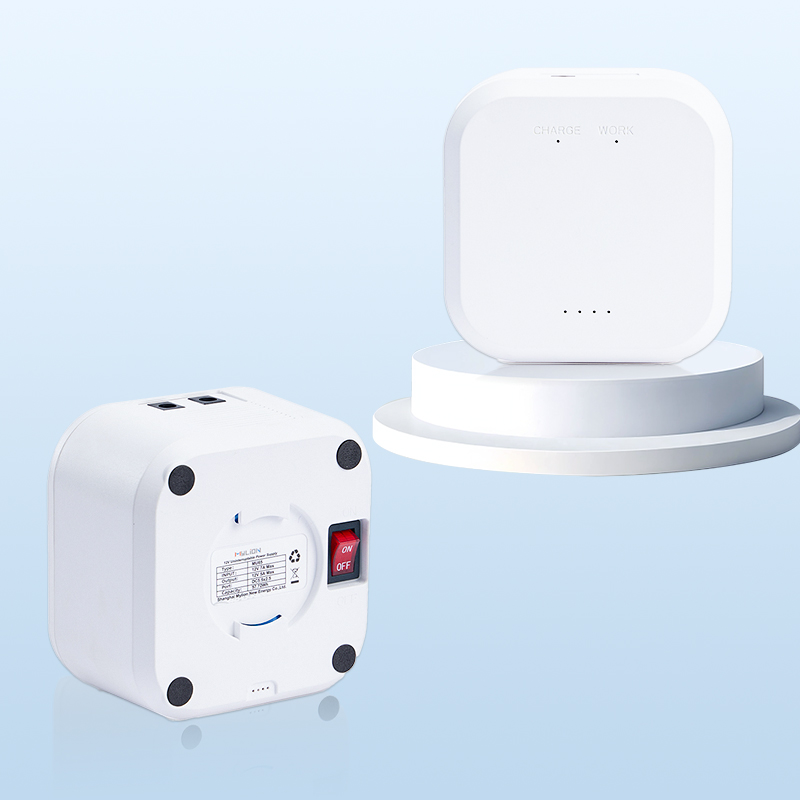
Mini gruppo di continuità MU68
Mini UPS MU35
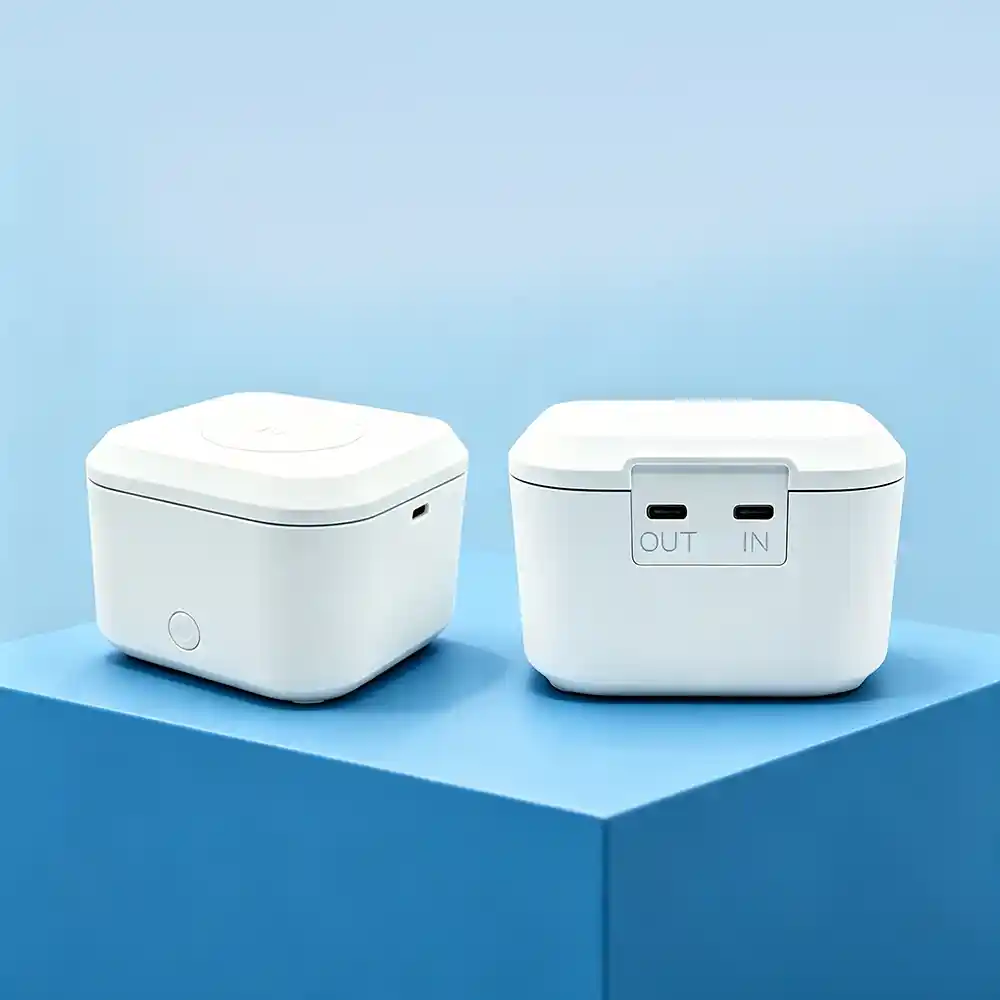
Mini UPS MUC85
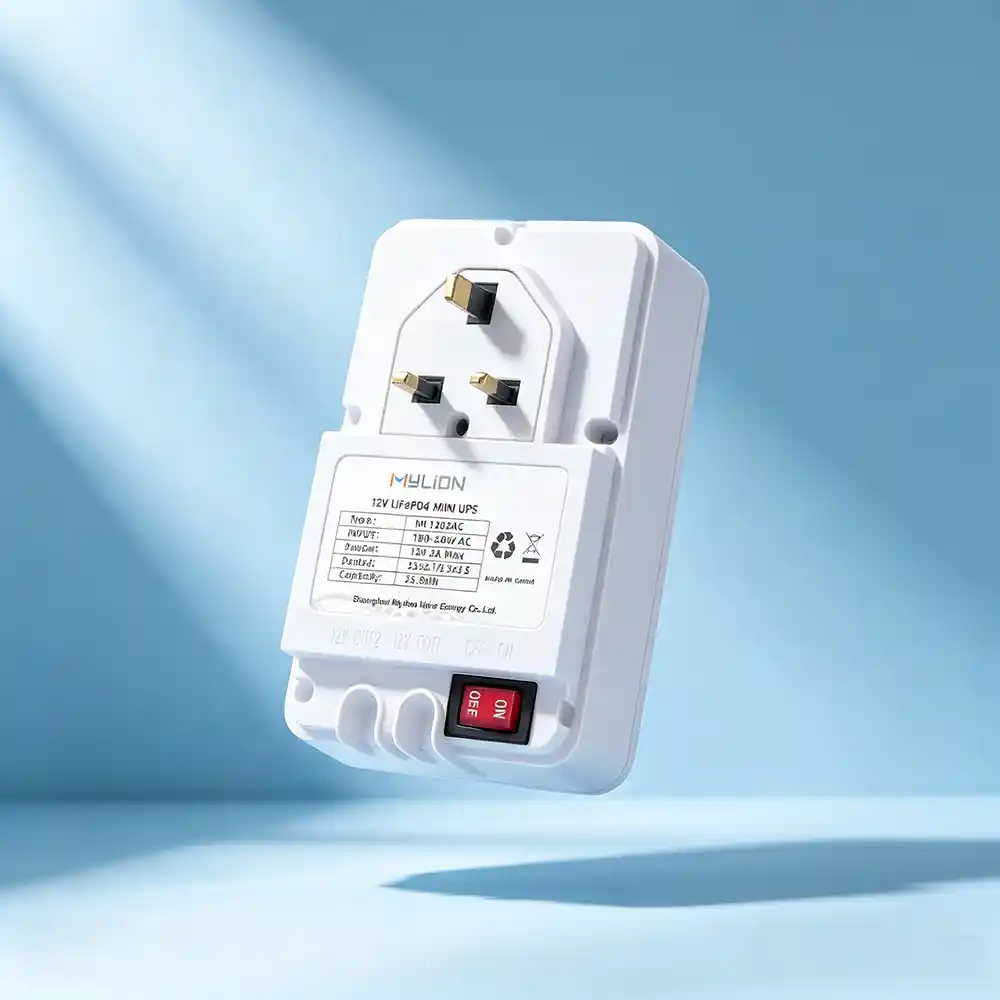
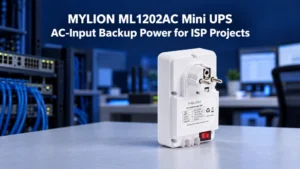
ML1202AC Mini UPS
Sfruttare le soluzioni Mylion Mini UPS per implementazioni ISP ottimizzate.
Mylion progetta hardware specificamente per le esigenze delle telecomunicazioni B2B. Un Mylion Mini UPS per router e ONT Offre la massima efficienza funzionando interamente in corrente continua (CC), evitando le perdite di potenza associate agli adattatori da parete da CA a CC.
Caratteristiche critiche per le telecomunicazioni
- Uscite CC versatili:Le porte selezionabili o dedicate (5V, 9V, 12V, 24V POE) consentono agli ISP di standardizzare un singolo Mini-UPS modello su varie generazioni di hardware CPE.
- Celle al litio ad alta capacità:Le celle della batteria di alta qualità offrono un accumulo di energia denso per una durata prolungata Alimentazione di backup per router e ONT in un formato compatto e adatto all'utilizzo su scrivania.
- BMS intelligente:Controller integrati in ogni Mini UPS per implementazioni ISP Protegge da sovraccarico, scarica profonda, cortocircuiti ed eventi termici.
Domande frequenti
D1: Come faccio a determinare il consumo energetico effettivo del mio ONT o router?
D2: Quale runtime dovrei scegliere come obiettivo per la mia implementazione ISP?
D3: Posso alimentare sia un ONT che un router con un singolo Mini UPS?
D4: Qual è il tempo di funzionamento standard richiesto per un ONT durante una tipica interruzione di corrente domestica?
D5: Qual è la durata prevista e quali sono i requisiti di manutenzione per un Mini UPS in un'installazione standard?
Conclusione
Il dimensionamento dell'alimentazione di backup per le implementazioni di router e ONT richiede di andare oltre le semplici ipotesi. L'implementazione di un'alimentazione di backup per router e ONT di dimensioni adeguate tramite un sistema dedicato Mini-UPS Riduce al minimo l'abbandono dei clienti, diminuisce drasticamente i costi generali dell'assistenza tecnica e offre la connettività ininterrotta richiesta dai consumatori.
Mylion fornisce un Soluzione Mini UPS progettata appositamente Per ogni scenario di implementazione ISP. Grazie a opzioni di tensione flessibili, supporto per connettori personalizzati e un rigoroso controllo di qualità, MYLION offre l'affidabilità richiesta dagli operatori di rete.

 Italiano
  English
  简体中文
简体中文  Deutsch
  Français
  Español