
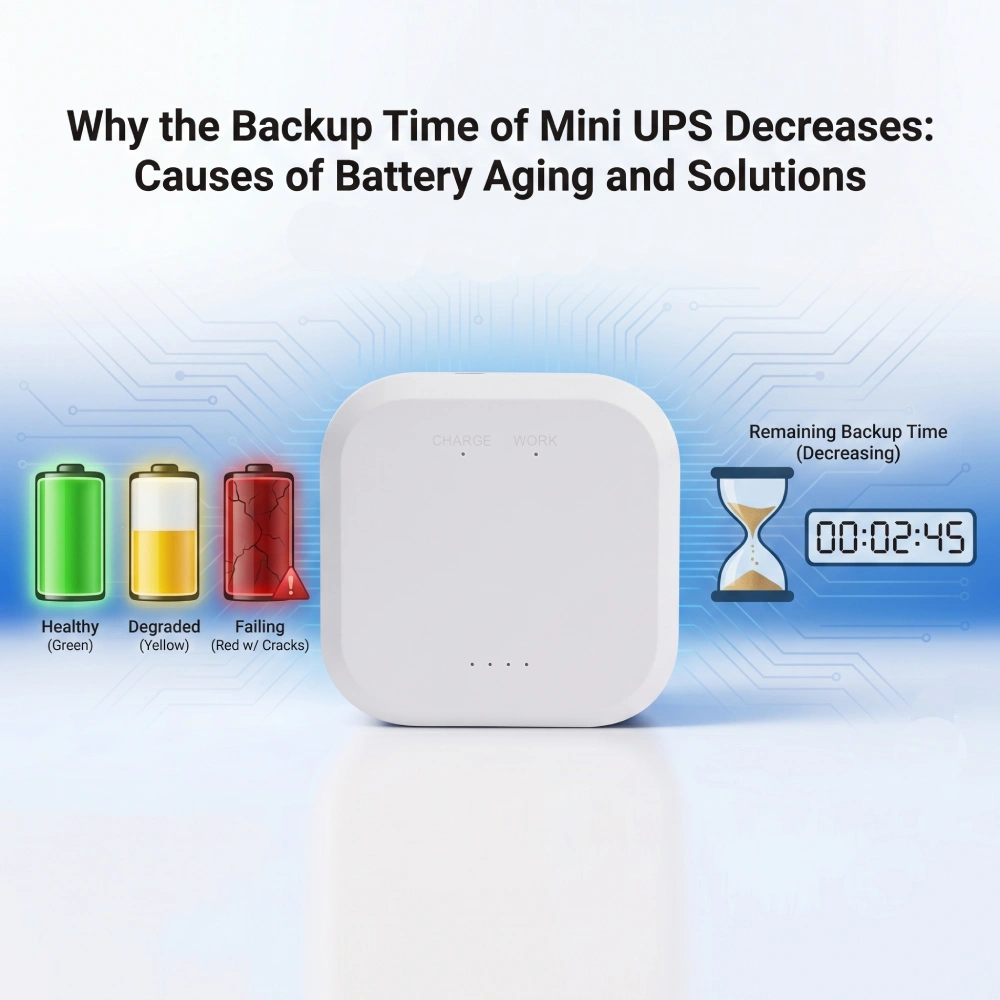
I prodotti Mini UPS sono progettati per mantenere la continuità di alimentazione per dispositivi critici a bassa tensione come router, dispositivi ONT/ONU, gateway, apparecchiature CPE e terminali di comunicazioneTuttavia, una sfida diffusa che affligge comunemente gli operatori di telecomunicazioni e gli ISP è l'invecchiamento delle batterie e la conseguente riduzione del tempo di autonomia.
Capire perché il tempo di backup diminuisce aiuta i fornitori di apparecchiature di rete, i distributori e i team di ingegneria a selezionare La soluzione Mini UPS ideale e migliorare l'affidabilità dell'implementazione a lungo termine.
MYLION sviluppa Soluzioni Mini UPS per applicazioni di backup per telecomunicazioni e banda larga, inclusi prodotti UPS a 12 V CC, Soluzioni di backup USB-C PD, E sistemi di backup multi-uscita.
Comprendere l'invecchiamento delle batterie nei sistemi mini UPS
Per capire perché l'autonomia diminuisce, dobbiamo esaminare la chimica delle batterie. La maggior parte dei mini UPS si basa su batterie agli ioni di litio o al litio ferro fosfato (LiFePO4). Entrambe subiscono cambiamenti chimici e fisici irreversibili nel tempo, sebbene a velocità molto diverse.
1. Perdita di materiali attivi
Ad ogni ciclo di carica e scarica, gli ioni di litio (o gli ioni solfato nei sistemi al piombo-acido) si spostano tra l'anodo e il catodo. Nel tempo, le reazioni secondarie intrappolano questi ioni, riducendo la quantità di materiale attivo disponibile per immagazzinare energia elettrica. Ciò si traduce direttamente in una perdita permanente della capacità complessiva.
2. Aumento delle resistenze interne
Con l'invecchiamento delle batterie, all'interno delle celle si ispessisce uno strato barriera noto come interfaccia elettrolitica solida (SEI). Questo strato aumenta la resistenza elettrica interna. Quando la resistenza interna è elevata, la batteria non è in grado di erogare energia in modo efficiente. Anche se la batteria conserva ancora una capacità di carica misurabile, la tensione cala bruscamente sotto carico, causando lo spegnimento prematuro del Mini UPS.
3. Invecchiamento in base al calendario vs. invecchiamento in base al ciclo
L'invecchiamento della batteria si divide generalmente in due categorie: invecchiamento dovuto al tempo e invecchiamento dovuto ai cicli di carica/scarica.
invecchiamento cronologico
L'invecchiamento cronologico si riferisce al degrado della batteria causato dal tempo, anche quando la batteria non viene utilizzata frequentemente.
Nelle applicazioni Mini UPS, può verificarsi l'invecchiamento dovuto al calendario perché il dispositivo è spesso collegato continuamente alla rete elettrica CA mentre mantiene la carica della batteria.
I fattori che influenzano l'invecchiamento del calendario includono:
- Temperatura di conservazione
- Temperatura di esercizio
- Stato di carica medio (SOC)
- Tensione di carica
- condizioni di standby a lungo termine
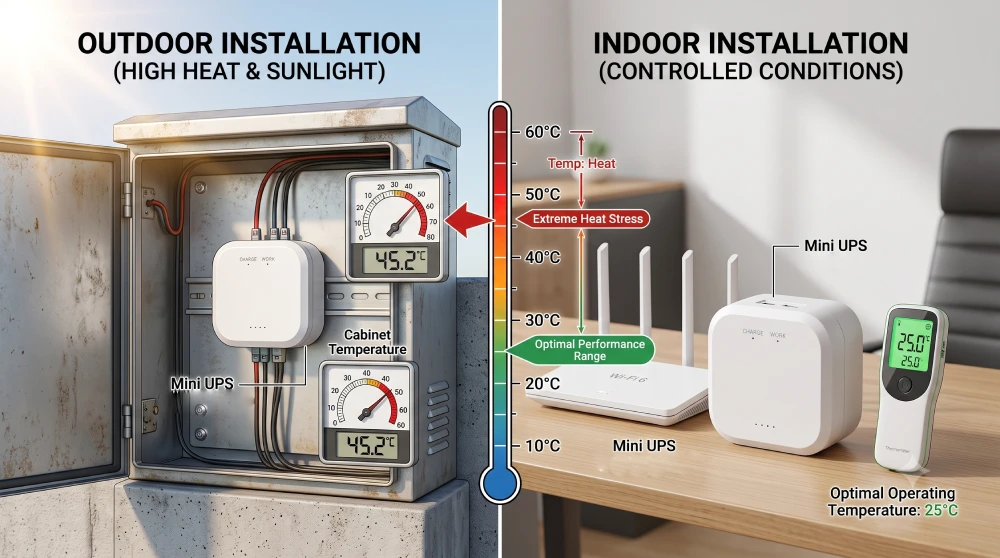
Un mini UPS installato in un armadio per apparecchiature caldo potrebbe subire un invecchiamento più rapido rispetto allo stesso prodotto installato in un ambiente più fresco.
Ciclo di invecchiamento
L'invecchiamento ciclico si verifica a causa di ripetuti cicli di carica e scarica.
- Gli scenari di utilizzo tipici dei mini UPS includono:
- Frequenti interruzioni di corrente
- Ambienti di griglia instabili
- Commutazione del backup giornaliero
- Implementazione remota di apparecchiature di rete
Ogni ciclo di scarica e ricarica contribuisce all'usura della batteria.
Per le applicazioni di telecomunicazioni e ISP, comprendere la frequenza delle interruzioni è importante perché due prodotti Mini UPS identici possono avere prestazioni diverse in termini di durata a seconda dell'ambiente di alimentazione effettivo.
Impatto della temperatura sulle prestazioni della batteria del mini UPS
La temperatura è uno dei fattori più importanti che influenzano l'invecchiamento della batteria e la sua autonomia.
Funzionamento ad alta temperatura
Le alte temperature possono accelerare il degrado della batteria perché le reazioni chimiche al suo interno diventano più rapide.
Gli ambienti tipici ad alta temperatura includono:
- Armadi di rete per esterni
- Locali tecnici scarsamente ventilati
- Scatole per telecomunicazioni chiuse
- Luoghi esposti alla luce solare diretta
Un mini UPS installato in questi ambienti potrebbe presentare i seguenti problemi:
- Perdita di capacità più rapida
- Aumento della resistenza interna
- Durata del backup più breve
- Durata complessiva della batteria ridotta
Funzionamento a bassa temperatura
Le basse temperature possono anche ridurre la capacità disponibile.
Negli ambienti freddi:
- La capacità di scarica della batteria potrebbe diminuire
- Il calo di tensione può verificarsi prima
- Il tempo effettivo di backup potrebbe ridursi
Pertanto, nella scelta di un Mini UPS, non bisogna considerare solo i requisiti di alimentazione del dispositivo, ma anche l'ambiente di installazione.
MYLION raccomanda di verificare le condizioni di utilizzo, tra cui temperatura, metodo di installazione, tempo di backup desiderato e carico effettivo delle apparecchiature, prima di selezionare un modello di Mini UPS.
Perché l'autonomia di un mini UPS potrebbe diminuire anche in assenza di guasto della batteria.
L'invecchiamento della batteria non è sempre l'unica causa di una riduzione dell'autonomia. Nelle implementazioni reali, la riduzione del tempo di backup può derivare anche da modifiche a livello di sistema.
1. Il consumo energetico delle apparecchiature di rete aumenta
Una causa comune è che il dispositivo connesso cambia dopo l'installazione.
Per esempio:
- Un aggiornamento del firmware del router aumenta il consumo energetico.
- Un gateway Wi-Fi 6/7 richiede più potenza
- Sono collegati dispositivi USB aggiuntivi
- Un dispositivo CPE funziona con un carico di traffico più elevato
Il mini UPS potrebbe continuare a funzionare normalmente, ma il carico è aumentato. Poiché l'autonomia dipende dal consumo energetico effettivo, un carico maggiore riduce naturalmente il tempo di funzionamento.
2. Selezione errata del modello di Mini UPS
Scegliere un mini UPS basandosi esclusivamente sulla compatibilità di tensione può creare problemi.
Una valutazione completa dovrebbe considerare:
- Tensione del dispositivo
- Corrente continua
- Corrente di picco/avvio
- Tipo di connettore e polarità
- Tempo di backup previsto
- Dispositivo singolo o dispositivi multipli
- Ambiente di installazione
Per esempio, MIO LEONE Modelli di mini UPS da 12V Sono disponibili diverse gamme di prodotti progettate per soddisfare differenti esigenze di carico. Alcuni modelli sono pensati per apparecchiature di rete standard a 12 V, mentre i modelli di potenza superiore supportano applicazioni che richiedono una maggiore capacità di uscita continua.
3. Invecchiamento dei componenti di conversione di potenza
Un mini UPS non è solo una batteria.
Il sistema completo comprende:
- Celle della batteria
- Sistema di gestione della batteria
- circuito di ricarica
- componenti per la conversione in corrente continua
- Circuiti di protezione
- Connettori e cavi
Nel corso del funzionamento prolungato, l'efficienza del sistema può variare a causa dell'invecchiamento dei componenti, delle sollecitazioni termiche o delle condizioni di installazione.
Poiché il tempo di backup dipende dall'efficienza di conversione, anche piccole variazioni di efficienza possono influenzare i tempi di esecuzione.
Come le soluzioni MYLION Mini UPS contribuiscono a mantenere prestazioni di backup affidabili
Sistemi intelligenti di gestione della batteria (BMS)
I prodotti MYLION Mini UPS integrano funzioni di protezione e monitoraggio della batteria. Il BMS funge da protezione contro sovraccarico, scarica eccessiva e surriscaldamento, condizioni che riducono significativamente la durata della batteria.
Le principali caratteristiche di protezione presenti in tutta la gamma di prodotti MYLION includono:
- Protezione da sovraccarico – previene danni da sovraccarico
- Protezione da scarica eccessiva– garantisce che le batterie non si scarichino a livelli pericolosamente bassi
- Protezione contro il surriscaldamento– monitora e regola la temperatura interna
- Protezione da cortocircuito – protegge sia l'UPS che i dispositivi collegati
- Protezione da sovracorrente– impedisce un consumo energetico eccessivo
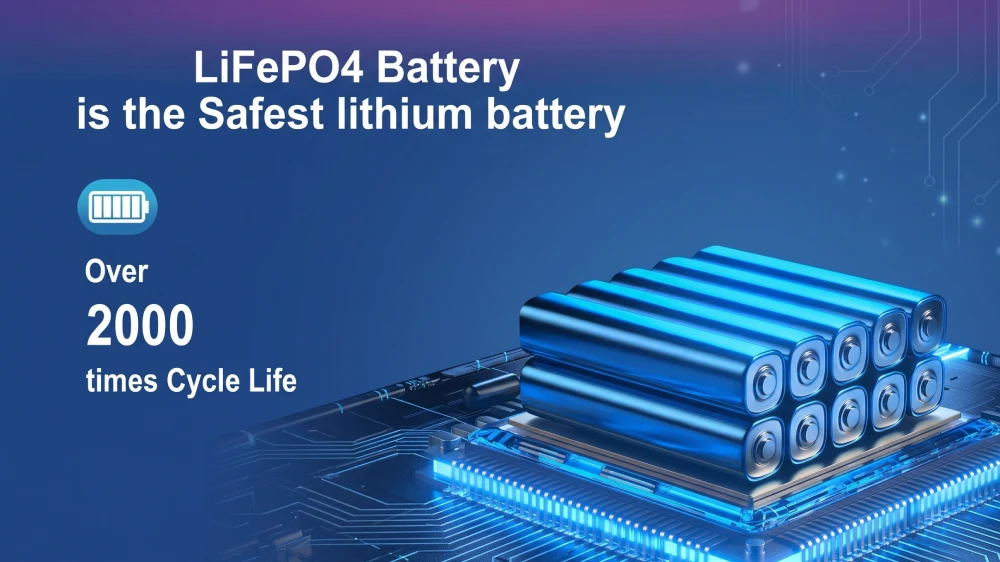
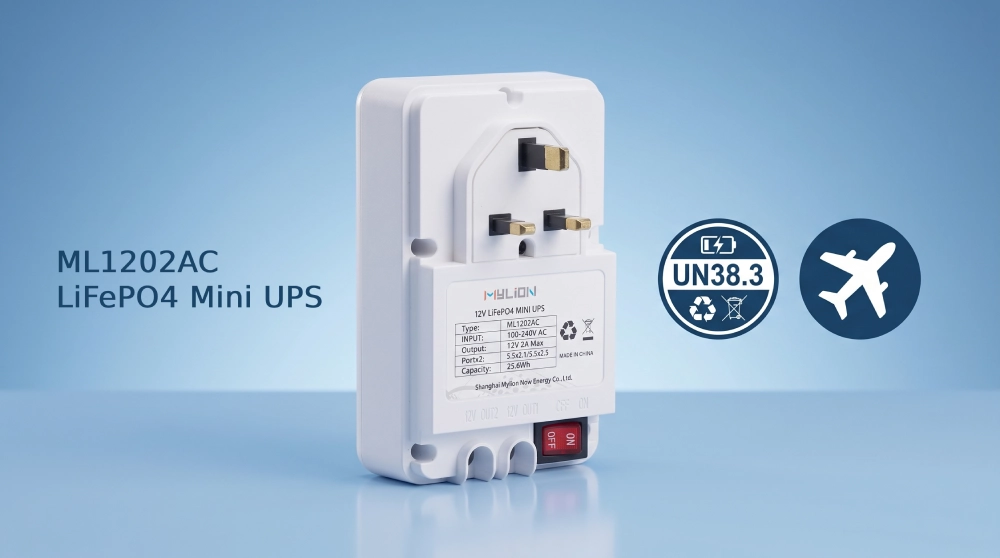
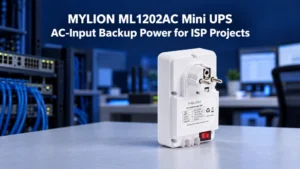
MYLION utilizza batterie di alta qualità agli ioni di litio e al fosfato di ferro e litio (LiFePO4). MIO LEONE Mini UPS ML1202AC È dotato di batterie LiFePO4 che offrono da 2.000 a 5.000 cicli e una durata prevista di 8-10 anni. Questa lunga durata garantisce anni di alimentazione di riserva affidabile, riducendo la necessità di sostituzioni frequenti.
MYLION progetta i suoi prodotti con robusti meccanismi di protezione dalla temperatura. Modelli ad alta corrente come il MU35 12V 5A Mini-UPS Incorporano una ventola di scarico integrata che si attiva automaticamente all'aumentare della temperatura interna, proteggendo il chipset e la batteria. Inoltre, i dispositivi sono alloggiati in involucri in ABS ignifugo che gestiscono in modo sicuro la dissipazione del calore, dando priorità alla sicurezza dell'impianto.
Far funzionare un Mini UPS vicino alla sua capacità massima genera calore eccessivo e ne accelera l'invecchiamento. MYLION offre una linea di prodotti strutturata e pensata per le reali esigenze di implementazione, garantendo che i dispositivi non vengano costantemente sovraccaricati:
- MU68W (12V 3A):Ideale per il backup ONT, offre una capacità bilanciata (circa 44 Wh) e mantiene una tensione di uscita costante anche quando la carica della batteria è bassa.
- MU65(12V 5A): Progettato specificamente per router ad alta potenza, CPE e configurazioni a doppio dispositivo, offre capacità di carica e scarica ad alta corrente.
- MU248 (24V 3A / 48V 1A):Un UPS LFP progettato per implementazioni in reti periferiche e telecomunicazioni che richiedono configurazioni di tensione versatili.
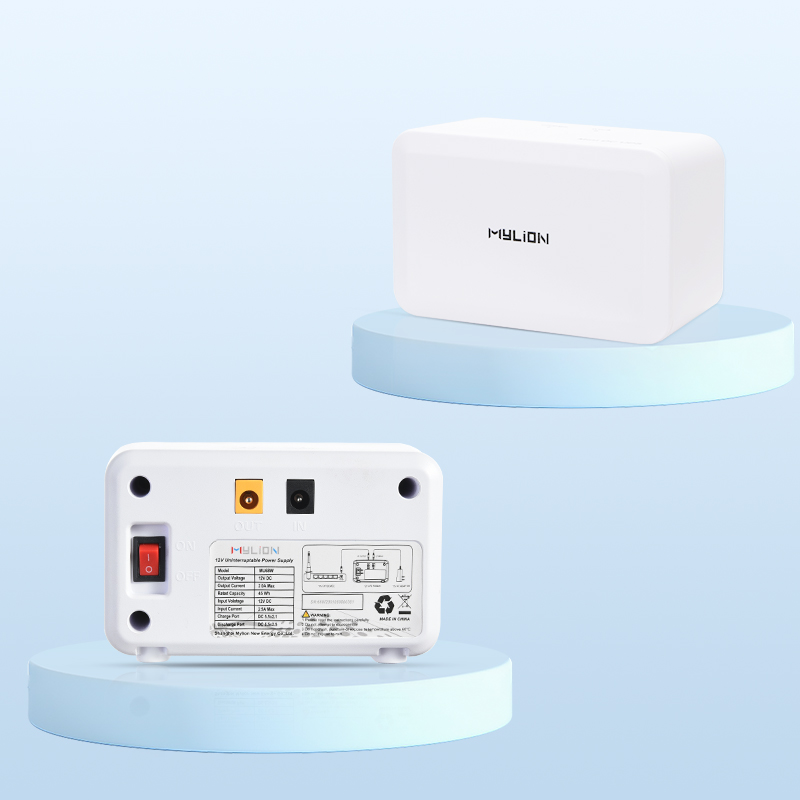
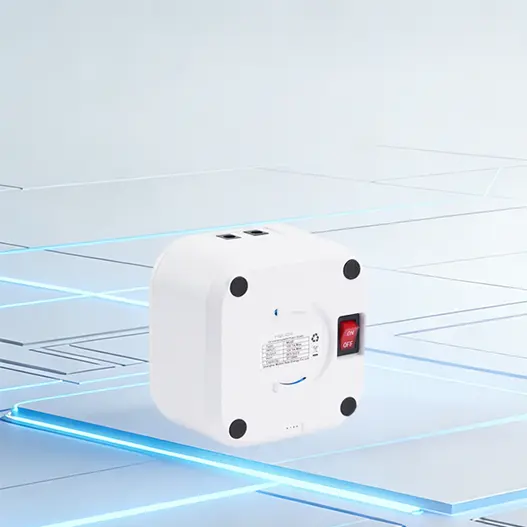
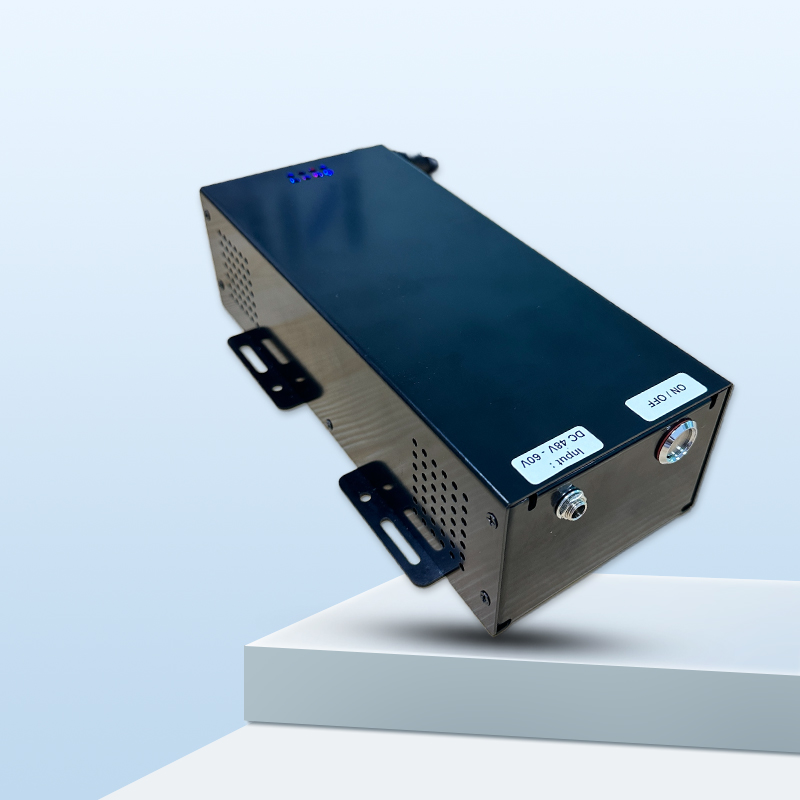
MU68 Mini UPS
MU65 Mini UPS
Mini UPS MU248
Le migliori strategie per prolungare la durata della batteria di un mini UPS.
Per ridurre il degrado dei tempi di backup, le aziende che implementano prodotti Mini UPS dovrebbero prendere in considerazione le seguenti pratiche:
Installare i prodotti Mini UPS in ambienti idonei con ventilazione adeguata.
Evitate di selezionare un prodotto basandovi solo sulla tensione. Confermate:
- Corrente continua
- Corrente di picco
- Requisiti di tempo di esecuzione
- Configurazione dell'apparecchiatura
Prima della distribuzione su larga scala, effettuare dei test con:
- Apparecchiature di rete reali
- Condizioni di carico reali
- Scenari di interruzione previsti
- Durata prevista del backup
Per le implementazioni su larga scala, gli operatori dovrebbero monitorare:
- Data di installazione
- Ambiente
- modifiche alle prestazioni del backup
- tendenze di guasto
Versioni di batterie, revisioni hardware e configurazioni diverse non devono essere utilizzate insieme senza previa verifica.
Domande frequenti
D1: Ogni quanto tempo devo sostituire la batteria del mio mini UPS?
D2: Quali sono i segnali di avvertimento dell'invecchiamento della batteria?
D3: In che modo il sistema BMS di MYLION protegge dall'invecchiamento?
D4: Le batterie al LiFePO4 sono più sicure di quelle agli ioni di litio standard?
D5: Perché il mio mini UPS funziona normalmente ma offre un'autonomia inferiore?
D6: Come posso scegliere il Mini UPS più adatto alle mie apparecchiature di telecomunicazione?
D7: Una maggiore capacità della batteria significa sempre un'autonomia maggiore?
Conclusione
L'invecchiamento della batteria è una delle principali cause della diminuzione dell'autonomia dei mini UPS nel lungo periodo, ma non è l'unico fattore. Anche le variazioni di carico, la temperatura, le condizioni di carica e la compatibilità del sistema influenzano l'autonomia effettiva.
Una soluzione Mini UPS professionale Non dovrebbe limitarsi a fornire un tempo di backup iniziale, ma dovrebbe anche supportare un'implementazione stabile, prestazioni prevedibili e affidabilità del progetto a lungo termine.
MYLION aiuta i clienti B2B a valutare i requisiti dei Mini UPS in base alle apparecchiature reali, alle condizioni di alimentazione, agli obiettivi di backup e agli scenari di implementazione.

 Italiano
  English
  简体中文
简体中文  Deutsch
  Français
  Español