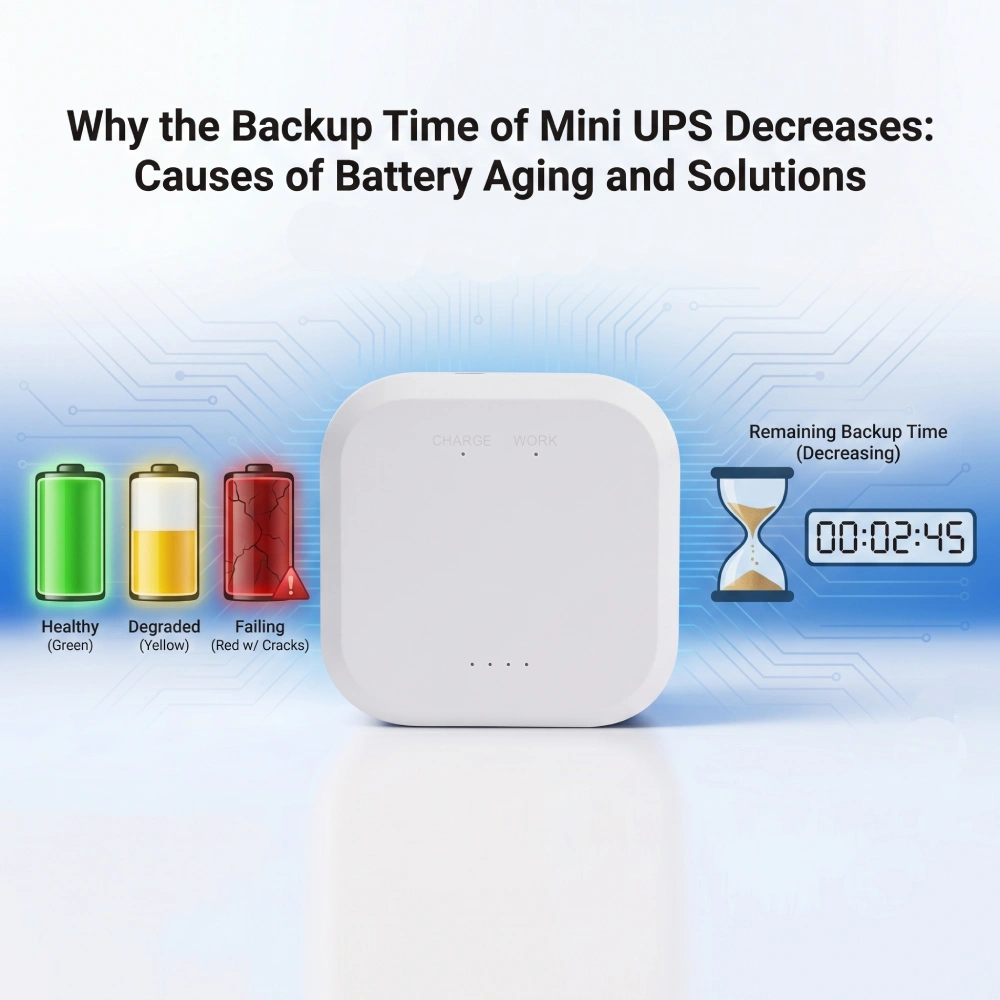
Mini UPS products are designed to maintain power continuity for critical low-voltage devices such as routers, ONT/ONU devices, gateways, CPE equipment, and communication terminals. However, a widespread challenge commonly affects telecom operators and ISPs: battery aging and the subsequent reduction in backup time.
Understanding why backup time decreases helps network equipment providers, distributors, and engineering teams select the 合适的迷你UPS解决方案 and improve long-term deployment reliability.
MYLION develops 迷你UPS解决方案 for telecom and broadband backup applications, including 12V DC UPS products, USB-C PD backup solutions, 和 multi-output backup systems.
Understanding Battery Aging in Mini UPS Systems
To understand why backup time decreases, we must look at battery chemistry. Most Mini UPS systems rely on Li-ion or LiFePO4 batteries. Both undergo irreversible chemical and physical changes over time, though at vastly different rates.
1. Loss of Active Materials
Each charge and discharge cycle, lithium ions (or sulfate ions in lead-acid systems) travel between the anode and cathode. Over time, side reactions trap these ions, reducing the amount of active material available to store electrical energy. This translates directly to a permanent loss in overall capacity.

2. Increase in Internal Resistance
As batteries age, a barrier known as the solid electrolyte interphase (SEI) layer thickens within the cells. This layer increases the internal electrical resistance. When internal resistance is high, the battery cannot efficiently deliver power. Even if the battery may still retain measurable charge capacity, the voltage drops sharply under load, triggering the Mini UPS to shut down prematurely.
3.Calendar Aging vs. Cycle Aging
Battery aging is generally divided into two categories: calendar aging and cycle aging.
Calendar aging
Calendar aging refers to battery degradation caused by time, even when the battery is not frequently used.
For Mini UPS applications, calendar aging can occur because the device is often connected continuously to AC power while maintaining battery charge.
Factors affecting calendar aging include:
- 储存温度
- Operating temperature
- Average state of charge (SOC)
- 充电电压
- Long-term standby conditions
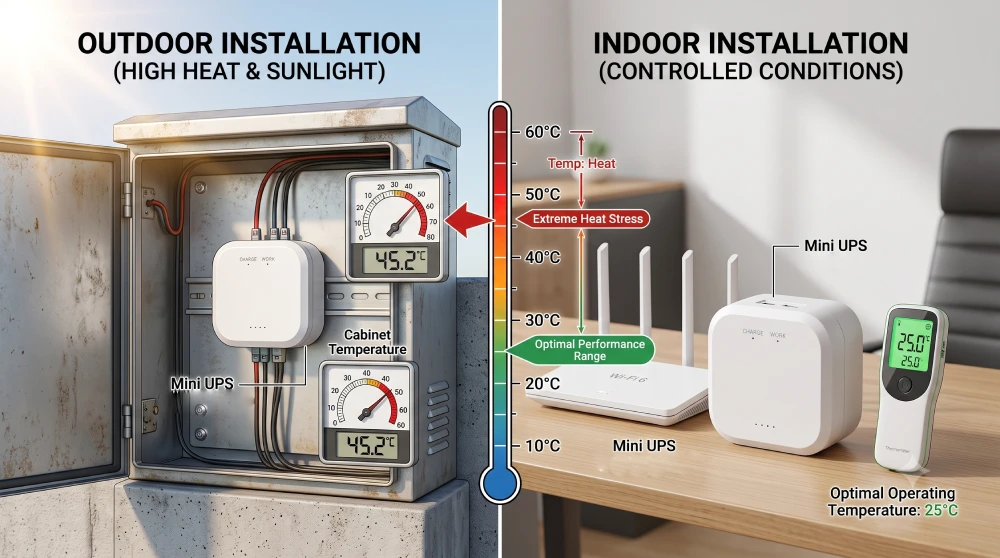
A Mini UPS installed in a hot equipment cabinet may experience faster aging compared with the same product installed in a cooler environment.
Cycle aging
Cycle aging occurs through repeated charging and discharging.
- Typical Mini UPS usage scenarios include:
- Frequent power outages
- Unstable grid environments
- Daily backup switching
- Remote network equipment deployments
Each discharge and recharge event contributes to battery wear.
For telecom and ISP applications, understanding outage frequency is important because two identical Mini UPS products may have different lifetime performance depending on the actual power environment.
Temperature impact on Mini UPS battery performance
Temperature is one of the most important factors affecting battery aging and backup time.
High temperature operation
High temperature can accelerate battery degradation because chemical reactions inside the battery become faster.
Common high-temperature environments include:
- Outdoor network cabinets
- Poorly ventilated equipment rooms
- Enclosed telecom boxes
- Locations with direct sunlight exposure
A Mini UPS installed in these environments may experience:
- Faster capacity loss
- 内阻增加
- Shorter backup duration
- Reduced overall battery life
Low temperature operation
Low temperature can also reduce available capacity.
In cold environments:
- Battery discharge capability may decrease
- Voltage drop may happen earlier
- Effective backup time may become shorter
Therefore, Mini UPS selection should consider not only device power requirements but also installation environment.
MYLION recommends confirming application conditions including temperature, installation method, backup time target, and actual equipment load before selecting a Mini UPS model.

Why Mini UPS backup time may decrease even without battery failure
Battery aging is not always the only reason for shorter runtime. In real deployments, backup time reduction can also come from system-level changes.
1. Network equipment power consumption increases
A common reason is that the connected device changes after deployment.
例如:
- A router firmware update increases power consumption
- A Wi-Fi 6/7 gateway requires more power
- Additional USB devices are connected
- A CPE device operates under higher traffic load
The Mini UPS may still work normally, but the load has increased. Because backup time depends on actual power consumption, a higher load naturally reduces runtime.
2. Incorrect Mini UPS model selection
Choosing a Mini UPS only by voltage compatibility can create problems.
A complete evaluation should consider:
- 器件电压
- Continuous current
- Peak/startup current
- Connector type and polarity
- Target backup time
- Single device or multiple devices
- 安装环境
For example, 迈锂 12V Mini UPS models include different product ranges designed for different load requirements. Some models focus on standard 12V network equipment, while higher-power models support applications requiring higher continuous output capability.
3. Aging of power conversion components
A Mini UPS is not only a battery.
The complete system includes:
- Battery cells
- Battery management system
- Charging circuit
- DC conversion components
- Protection circuits
- Connectors and cables
Over long-term operation, system efficiency may change because of component aging, temperature stress, or installation conditions.
Since backup time depends on conversion efficiency, even small efficiency changes can influence runtime.
How MYLION Mini UPS solutions help maintain reliable backup performance
Intelligent Battery Management Systems (BMS)
MYLION Mini UPS products integrated battery protection and monitoring functions. The BMS acts as a safeguard against overcharging, over-discharging, and overheating—conditions that significantly shorten battery life.
Key protection features across MYLION’s product line include:
- 过充保护 – prevents damage from excessive charging
- 过放电保护– ensures batteries aren’t drained to dangerously low levels
- Over-temperature protection– monitors and regulates internal temperature
- 短路保护 – safeguards both the UPS and connected devices
- 过流保护– prevents excessive power draw
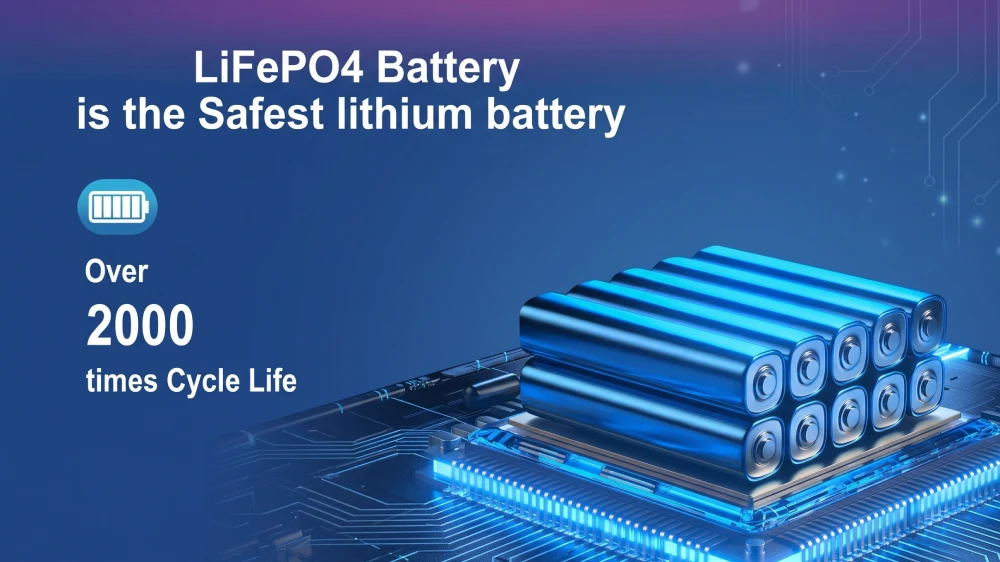
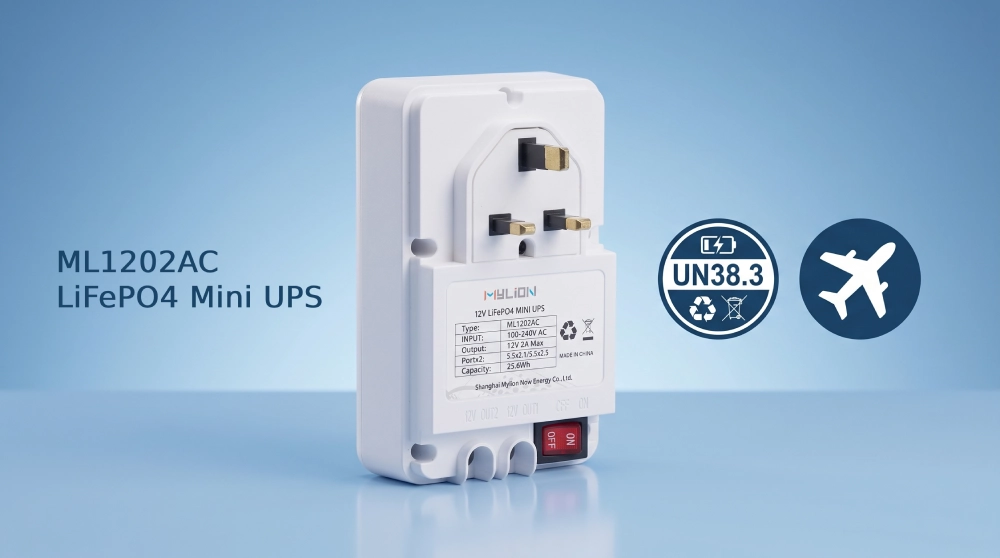
MYLION utilizes premium Lithium-ion and Lithium Iron Phosphate (LiFePO4) chemistries. 迈锂 ML1202AC 迷你 UPS is equipped with LiFePO4 batteries that offer 2,000 to 5,000 cycles and an expected lifespan of 8-10 years. This extended service life ensures years of reliable power backup, reducing the need for frequent replacements.

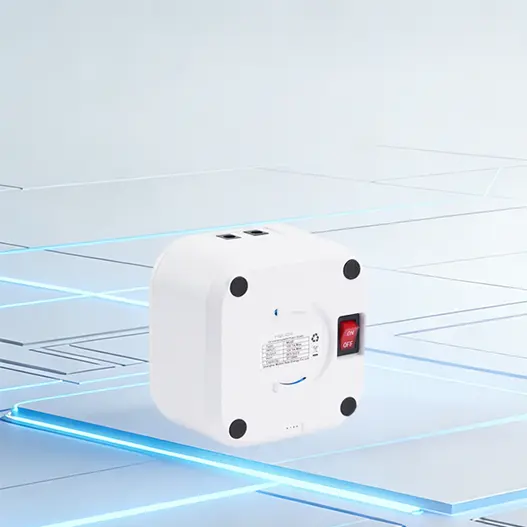
MYLION engineers its products with robust temperature protection mechanisms. High-current models like the MU35 12V 5A 不间断电源 incorporate a built-in exhaust fan that automatically activates when internal temperatures rise, protecting the internal chipset and battery. Additionally, devices are housed in anti-fire ABS casings that safely manage heat dissipation while prioritizing facility safety.
Operating a Mini UPS near its maximum capacity generates excess heat and accelerates aging. MYLION provides a structured product line tailored for real deployment needs, ensuring devices aren’t constantly overloaded:
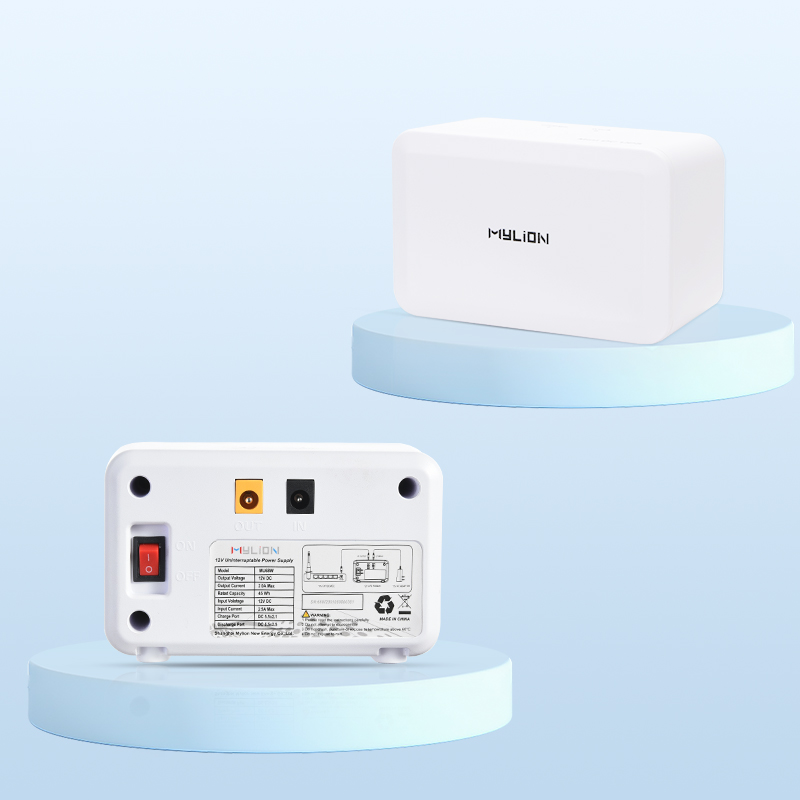
- MU68W (12V 3A):Ideal for ONT backup, providing balanced capacity (approx. 44Wh) and maintaining constant output voltage even when battery power is low.
- 亩65(12V 5A): Designed specifically for high-power routers, CPEs, and dual-device setups, providing high-current charge and discharge capabilities.
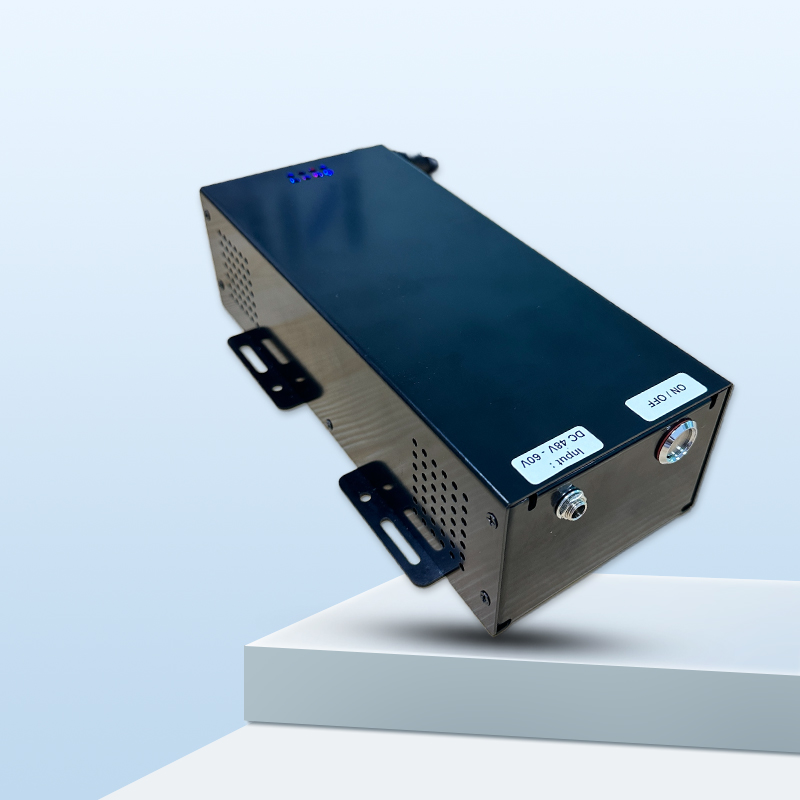
- MU248 (24V 3A / 48V 1A):An LFP UPS designed for edge network and telecom deployments requiring versatile voltage configurations.
MU68 Mini UPS
MU65 Mini UPS
MU248迷你UPS
Best practices to extend Mini UPS battery life
To reduce backup time degradation, companies deploying Mini UPS products should consider the following practices:
Install Mini UPS products in suitable environments with reasonable ventilation.
Avoid selecting a product only based on voltage. Confirm:
- Continuous current
- Peak current
- Runtime requirement
- Equipment configuration
Before mass deployment, conduct testing with:
- Actual network equipment
- Real load conditions
- Expected outage scenarios
- Target backup duration
For large deployments, operators should track:
- Installation date
- 环境
- Backup performance changes
- Failure trends
Different battery versions, hardware revisions, and configurations should not be mixed without validation.
常问问题
Q1: How often should I replace my Mini UPS battery?
Q2: What are the warning signs of battery aging?
Q3: How does MYLION's BMS protect against aging?
Q4: Is LiFePO4 safer than standard lithium-ion?
Q5: Why does my Mini UPS work normally but provide less backup time?
Q6: How can I choose the right Mini UPS for telecom equipment?
Q7: Does a higher battery capacity always mean longer backup time?
结论
Battery aging is one of the main reasons Mini UPS backup time decreases over long-term operation, but it is not the only factor. Load changes, temperature, charging conditions, and system compatibility also influence real-world runtime.
A professional Mini UPS solution should not only provide initial backup time, but also support stable deployment, predictable performance, and long-term project reliability.
MYLION helps B2B customers evaluate Mini UPS requirements based on actual equipment, power conditions, backup targets, and deployment scenarios.