

In early September 2025, major undersea cable cuts in the Red Sea caused internet disruptions and slowdown for services across Asia, the Middle East, and beyond. Key systems like Azure had to reroute traffic, resulting in higher latency and degraded performance for many users.

At the same time, many remote and off-grid areas continue to face a trio of persistent problems:
- Unreliable power supply causes network devices to shut down.
- Harsh environmental conditions (rain, dust, temperature extremes) damage outdoor telecom equipment.
- High cost and delay of maintenance when infrastructure fails in remote locations.
These global disruptions from cable damage serve as a spotlight on the fragility of digital infrastructure. When a single submarine cable cut can degrade internet service for millions, the importance of resilient, localized solutions becomes obvious.
Connecting the Dots: Why Local Backup Matters
The Red Sea incident shows how vulnerable long-haul links are and how much of global connectivity depends on a few critical pathways. But for many communities, the weakness isn’t only in cables — it’s in local infrastructure that lacks backup when power fails, or when environmental damage occurs.
If routers, small cell base stations, or surveillance systems are taken offline during a power cut, those communities lose connectivity entirely, even if global routes remain functional. Every interruption in service gives rise to real consequences: missed education, delayed medical responses, and lost economic opportunity.
MUL268S Solar Mini UPS: A Solution for Local Resilience
The MUL268S Solar Mini UPS is designed to address these exact weak points:
- It keeps telecom or network devices online during grid outages.
- It’s built for the outdoors: waterproof, rugged, compact.
- It cuts down dependence on remote maintenance by delivering stable performance.
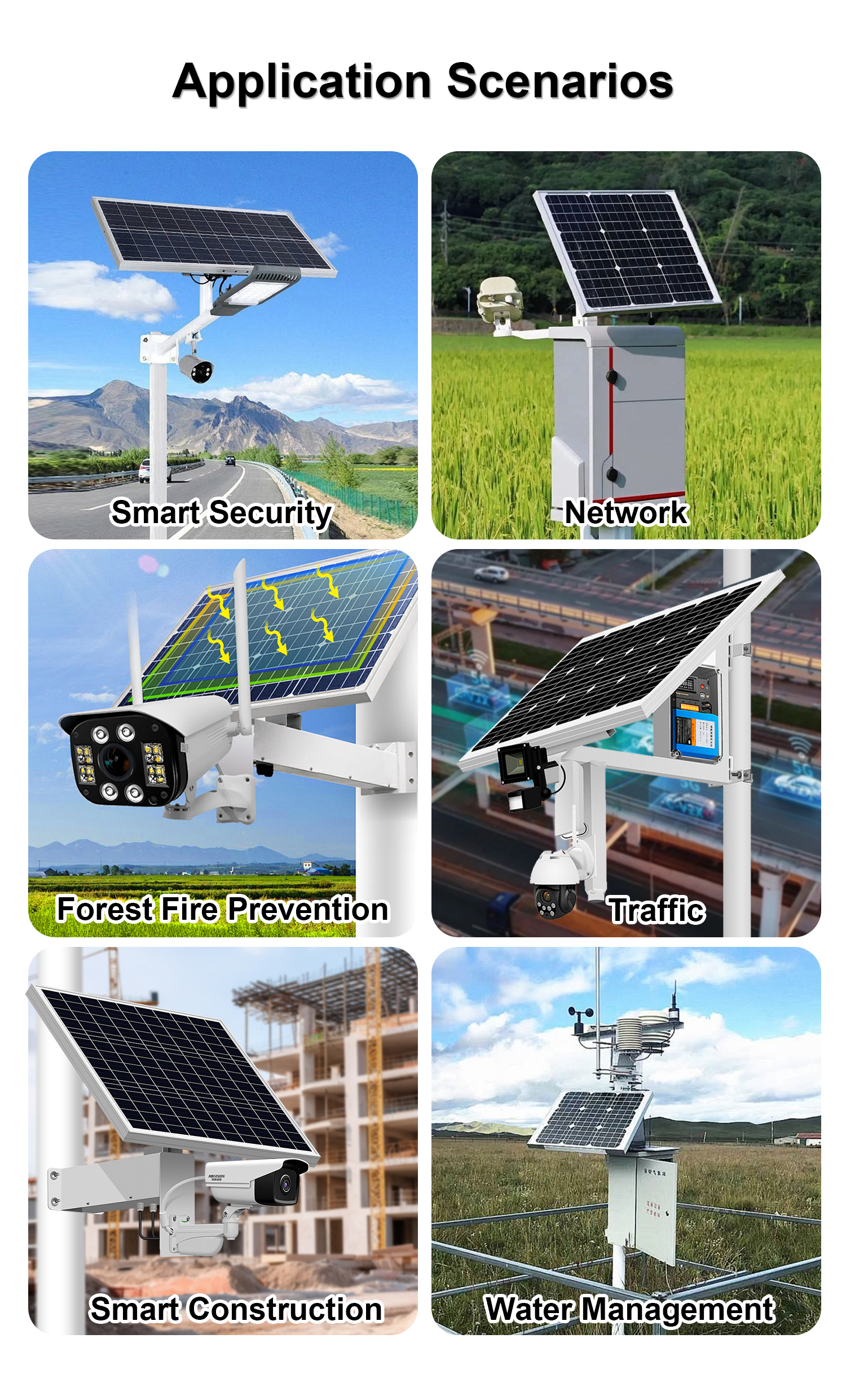
In a world where connectivity routes are fragile and outages can have widespread impact, having backup power at the edge — where people live — becomes part of securing overall network reliability.
Why This Is Especially Important Now
- Global internet outages are increasingly common: undersea cable damage, natural disasters, or human conflict affect traffic and cloud services.
- Governments, enterprises and operators are under pressure to build infrastructure that is resilient, not just in core networks but locally.
- Digital inclusion and equity depend not only on bringing connectivity to underserved areas, but ensuring that once connected, service remains stable despite power, maintenance, or environmental challenges.




 English
  简体中文
简体中文  Deutsch
  Français
  Italiano
  Español