
Introduction: The Growing Power Challenge in ISP Networks
Internet Service Providers operate one of the most distributed infrastructures in modern telecommunications. Unlike centralized data centers, ISP networks extend into residential homes, commercial buildings, rural areas, and outdoor telecom cabinets.
While backbone networks often have industrial-grade backup systems, the last-mile infrastructure — ONT, ONU, routers, and small switches — frequently lacks reliable power redundancy.
As competition intensifies and customer expectations for uninterrupted connectivity grow, downtime caused by local power interruptions is no longer acceptable.
This reality is driving a structural shift: ISPs are increasingly adopting Mini DC UPS systems instead of relying on traditional AC backup solutions.
Common Power Issues in ISP Last-Mile Infrastructure
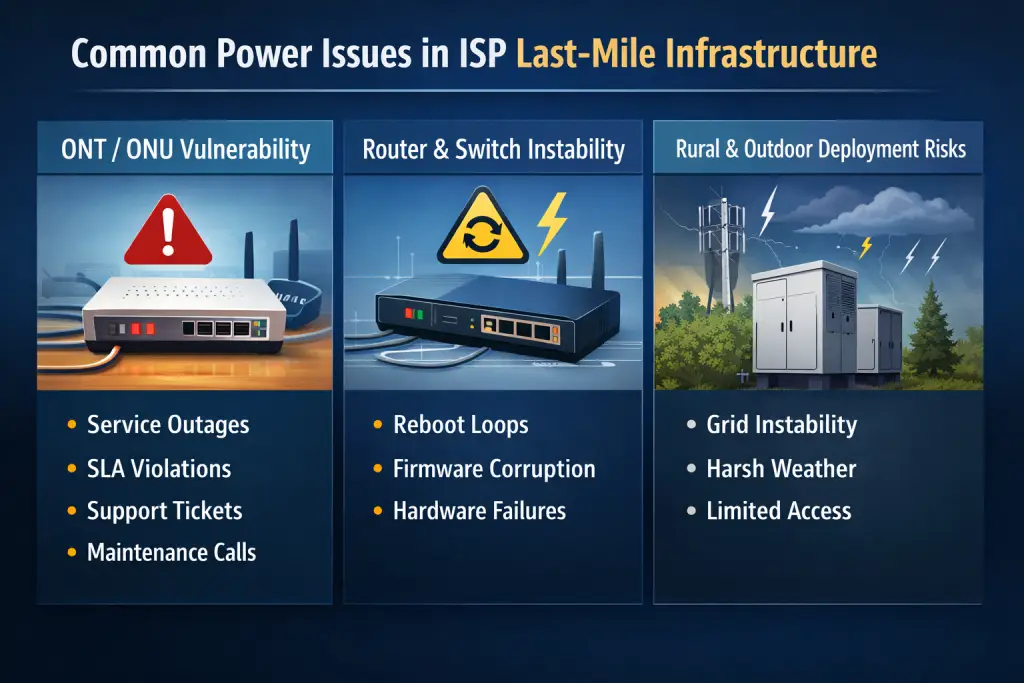
1. ONT / ONU Vulnerability
Optical Network Terminals (ONT) and Optical Network Units (ONU) are typically installed inside customer premises. They operate on low-voltage DC power (usually 12V or 24V).
Even a short power outage can immediately disconnect subscribers, triggering:
Service complaints
SLA violations
Increased support tickets
On-site maintenance visits
Without local DC backup, the weakest point of the ISP network becomes the customer-side equipment.
2. Router and Switch Instability
Many last-mile deployments include small DC-powered switches and WiFi routers. These devices are sensitive to voltage fluctuations and brief outages.
In areas with unstable grid infrastructure, repeated micro-outages cause:
Device reboot loops
Firmware corruption
Increased hardware failure rate
For ISPs managing thousands of distributed endpoints, this significantly increases operational burden.
3. Rural and Outdoor Deployment Risks
Outdoor cabinets and rural fiber nodes face additional challenges:
Grid instability
Harsh environmental conditions
Limited maintenance access
In these scenarios, reliable localized DC backup is critical.
Why Traditional AC UPS No Longer Fits Last-Mile Networks?
Historically, ISPs relied on centralized AC UPS systems. However, applying AC UPS to distributed last-mile equipment introduces several inefficiencies:
1. Double Conversion Loss
AC UPS converts AC to DC (battery charging) and then back to AC output. Since ONT and routers internally convert AC back to DC, this creates unnecessary energy loss.
2. Bulky and Space-Consuming
AC UPS systems are larger and not designed for compact cabinet or wall-mounted installations.
3. Higher Maintenance Requirements
Lead-acid batteries require regular replacement and monitoring.
4. Poor Scalability for Distributed Networks
Installing centralized AC backup for thousands of small endpoints is neither cost-efficient nor operationally practical.
As ISPs optimize OPEX and expand fiber coverage, AC UPS becomes structurally misaligned with modern network design.

What Makes DC Mini UPS the Preferred Solution?
1.Direct DC Output Efficiency
Mini DC UPS systems deliver regulated DC output (5V / 9V / 12V ) directly to devices such as ONT, ONU, routers, and switches.
This eliminates unnecessary AC-DC-AC conversion, improving overall efficiency and reducing heat generation.
2.Compact, Distributed Deployment
Mini DC UPS units are:
- Wall-mountable
- Cabinet-compatible
- Lightweight
- Designed for distributed deployment
This aligns perfectly with last-mile network architecture.
3. LiFePO4 Battery Technology Advantage
Modern ISP-grade Mini DC UPS increasingly use LiFePO4 batteries due to:
- 2000+ cycle life
- Higher thermal stability
- Lower failure risk
- Longer operational lifespan
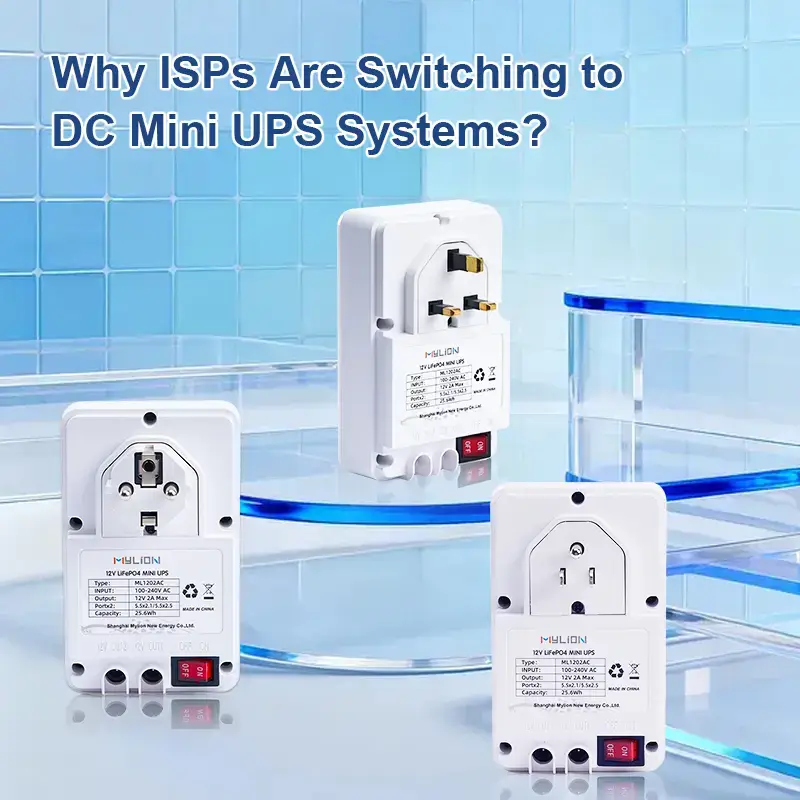
For example, the 2A ML1202AC LiFePO4 Mini UPS provides stable 12V backup for ONT installations while ensuring extended service life.
LiFePO4 significantly reduces replacement frequency compared to traditional lithium-ion or lead-acid systems.

ROI Comparison: AC UPS vs Mini DC UPS vs No Backup
Scenario 1: No Backup
- Immediate service interruption
- High customer churn risk
- Increased technical support workload
- Field technician dispatch costs
Scenario 2: Traditional AC UPS
- Higher equipment cost
- Larger footprint
- Lower energy efficiency
- Maintenance-heavy batteries
Scenario 3: Mini DC UPS for ISP
- Lower upfront cost per endpoint
- Reduced energy loss
- Long lifecycle (LiFePO4 options)
- Minimal maintenance
- Improved SLA compliance
For ISPs managing 10,000+ subscribers, reducing just one truck roll per 1000 users per month can significantly improve OPEX efficiency.
Deployment Scenarios for ISPs
1. Residential ONT Backup
For standard ONT or low-power router setups:
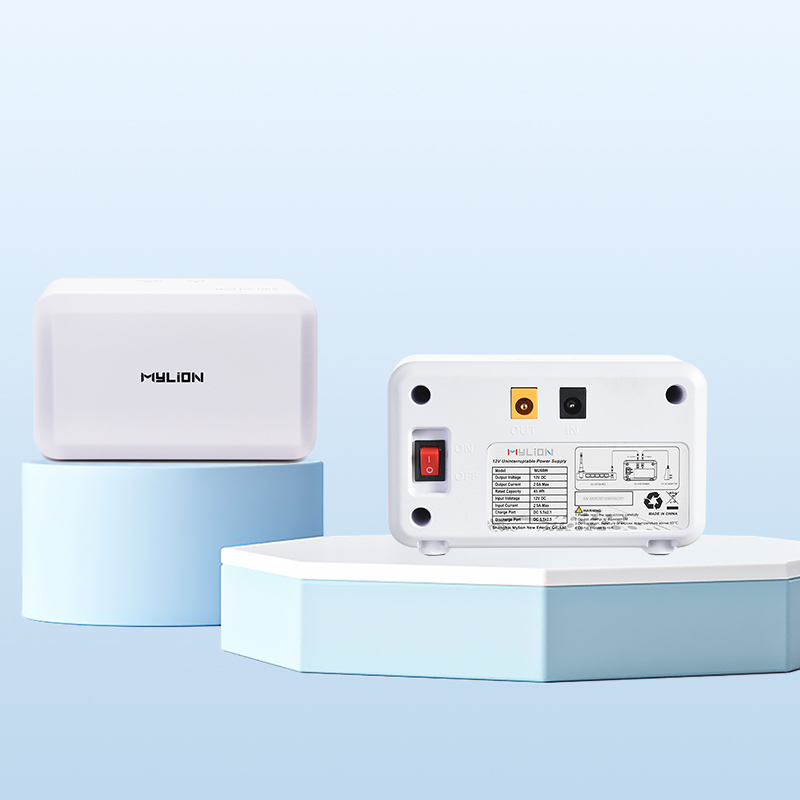
- 2A MU26 Mini UPS: ideal for compact ONT backup
- 3A MU48 Mini UPS: supports slightly higher load devices
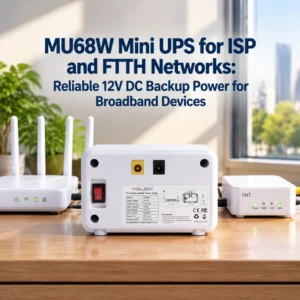
- 3A MU68 Mini UPS: optimized for fiber modem + router combinations
These models provide stable DC output while maintaining compact design.
2. High Power Router and Switch Applications
For mesh routers or multi-device setups:
- 5A MU05 Mini UPS
- 5A MU65 Mini UPS
- 5A MU35 Mini UPS
These models support higher current demands without voltage drop, suitable for enterprise or SME installations.
3. Type-C Powered Modern Devices
As telecom devices adopt Type-C input:
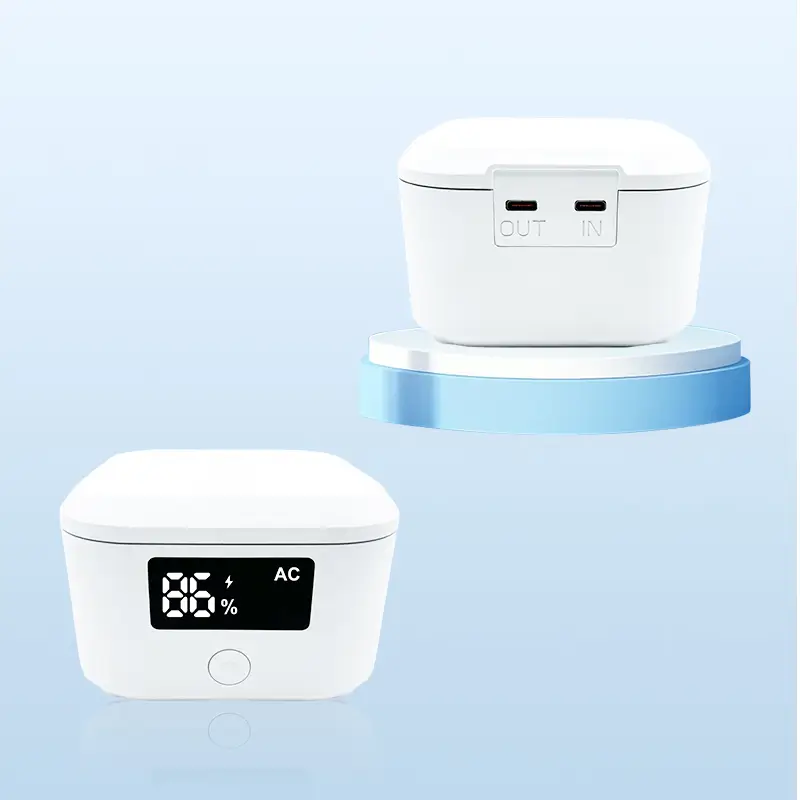
- 3.5A Type-C MUC66 Mini UPS
- 3.5A Type-C MUC85 Mini UPS
These models ensure compatibility with next-generation networking equipment.
4. Outdoor and Harsh Environment Deployment
For cabinet or outdoor nodes:
- 3A Waterproof MA825 Mini UPS: IP-rated protection
- Outdoor MU248 Mini DC UPS: ruggedized for telecom cabinets
These solutions withstand temperature fluctuations and humidity exposure.
5. Solar and Off-Grid Applications
For rural expansion projects:
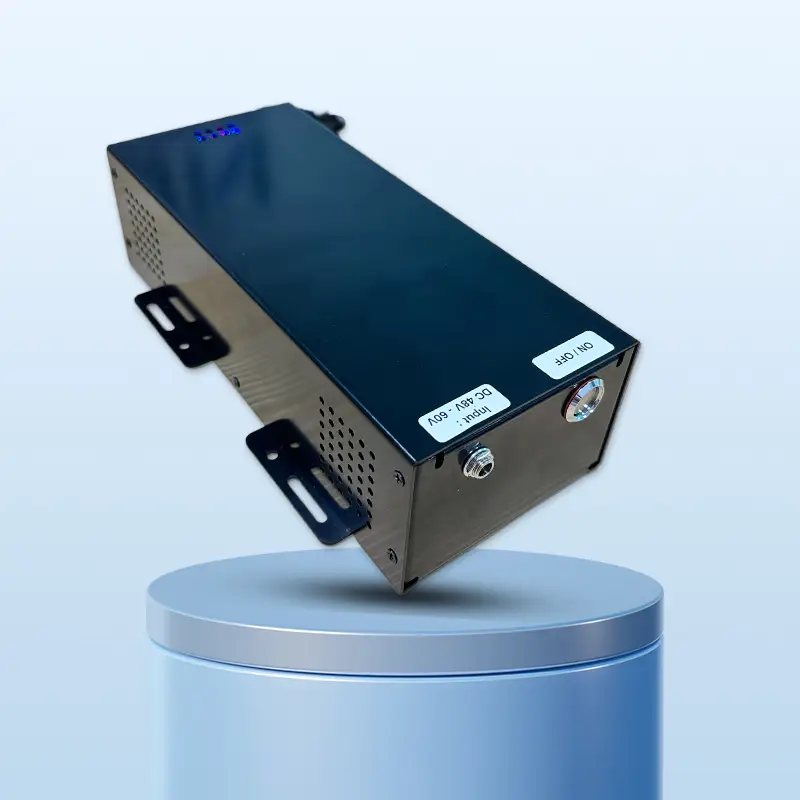
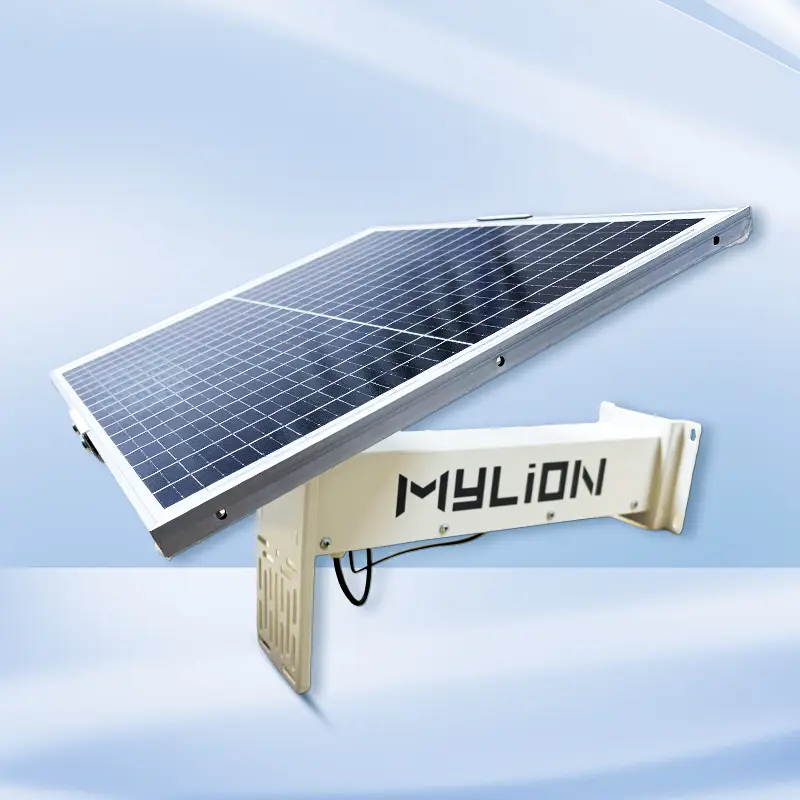
- MUL268 Solar Mini UPS
This model integrates solar compatibility, supporting remote fiber nodes where grid access is unstable.


Why ISPs Choose Mylion as Their Mini DC UPS Partner?
1. Professional Mini DC UPS Manufacturer
Mylion specializes in DC backup power solutions tailored for telecom and ISP applications, focusing exclusively on Mini DC UPS technology.
2. LiFePO4 Expertise
Multiple models incorporate LiFePO4 battery systems to ensure long lifecycle and high safety standards.
3. Stable Supply Chain for Bulk Projects
ISP projects require predictable lead times and consistent quality.
Mylion maintains stable production capacity to support batch deployment across regions.
4. Customization Capability
ISPs often require:
- Custom output voltage
- Branding
- Connector configuration
- Cable length adjustment
Mylion supports project-level customization for telecom deployments.
5. Global Cooperation Experience
With international deployment experience, Mylion understands ISP procurement processes, technical compliance requirements, and field installation realities.
The Strategic Shift Toward Distributed DC Backup Infrastructure
As ISP networks continue expanding into fiber-to-the-home (FTTH) and rural broadband initiatives, power reliability at the edge becomes critical.
Mini DC UPS systems are no longer optional accessories — they are strategic infrastructure components that directly influence:
- Network uptime
- Customer satisfaction
- SLA performance
- Operational efficiency
The transition from AC-centric backup to distributed DC solutions reflects the modernization of telecom architecture.
Conclusion
For ISPs seeking to enhance last-mile reliability while controlling operational costs, transitioning to Mini DC UPS systems is a logical and scalable strategy.
Mylion offers a comprehensive portfolio — from compact 2A ONT backup units to rugged outdoor and solar-ready solutions — designed specifically for ISP and telecom deployment.
If you are planning a fiber rollout, upgrading telecom cabinets, or optimizing your distributed backup strategy, our engineering team can support:
- Technical consultation
- Load calculation
- Customized configuration
- Bulk procurement planning
Contact Mylion today to discuss your Mini UPS for ISP project and explore scalable DC backup solutions built for modern telecom networks.
 English
  简体中文
简体中文  Deutsch
  Français
  Italiano
  Español