
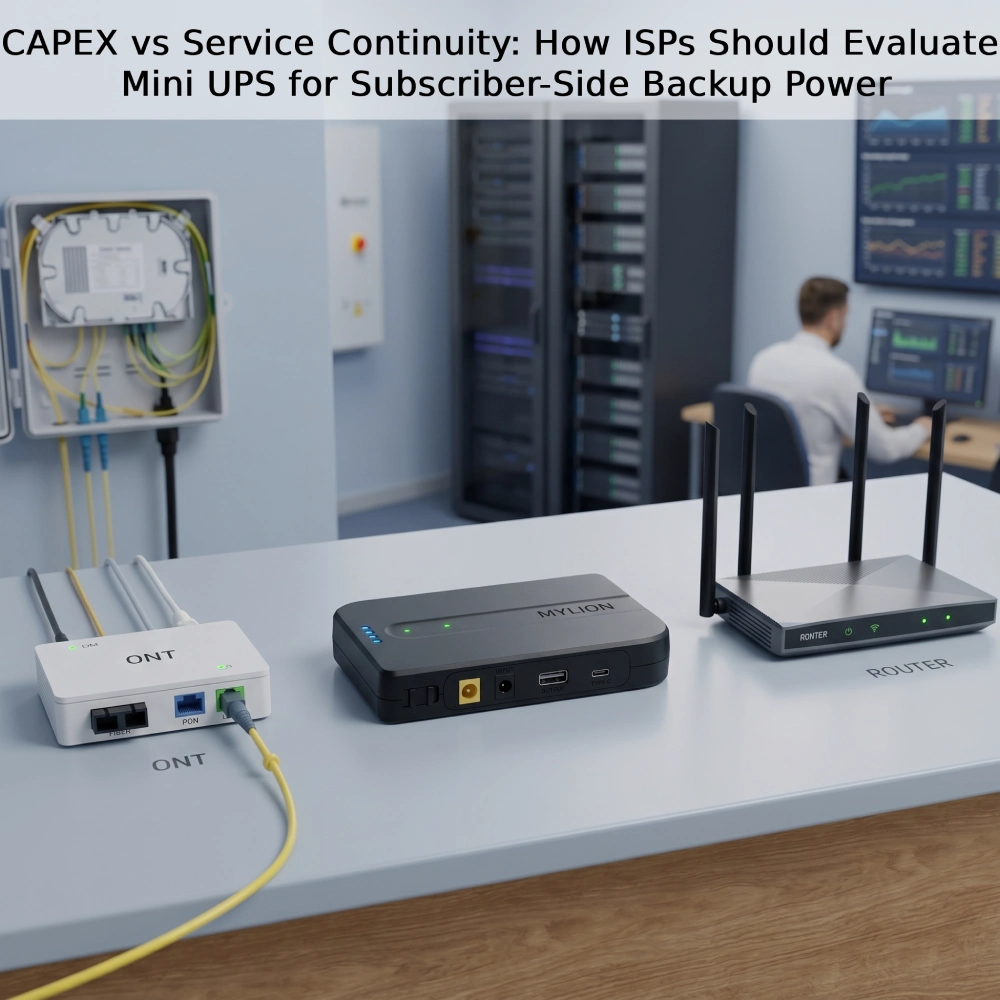
Introduction
The cheapest Mini UPS for subscriber-side backup power is not always the lowest-cost deployment decision.
In subscriber-side backup projects, many buyers begin with unit price. That is understandable because CAPEX is measurable, visible, and easy to compare. But in ISP and telecom projects, subscriber-side backup power should not be evaluated by purchase price alone. It should also be judged by service continuity value, complaint reduction, truck-roll avoidance, and deployment stability.
A low-cost backup product that creates frequent service dissatisfaction can become more expensive than a better-matched solution. That is why subscriber-side backup power should be evaluated through total operational effect, not only unit cost.
This article provides a practical framework for balancing CAPEX, runtime tiering, standardization, and service continuity, with specific references to Mylion Mini UPS as a deployment-ready solution.
Why Unit Price Can Be Misleading in Subscriber-Side Backup
A simple comparison of product cost per unit misses several real-world realities:
- Runtime may not match the actual continuity target – A 30-minute rated backup may drop to 15 minutes under real load.
- The Mini UPS may work for one device but fail for another – ONT vs ONT+router have very different power draws.
- Deployment may require extra accessories or replacement handling – missing connector kits, non-standard barrels.
- Customer complaints rise if backup performance is inconsistent– especially in markets with frequent short outages.
- Installers spend more time dealing with mismatched kits– field rework costs are rarely counted in CAPEX.
- Future standardization becomes harder – a weak initial model choice locks in inefficiency.
These effects do not always appear in the first quotation. They appear later, after rollout begins. That is why a low headline price can hide a high deployment cost.
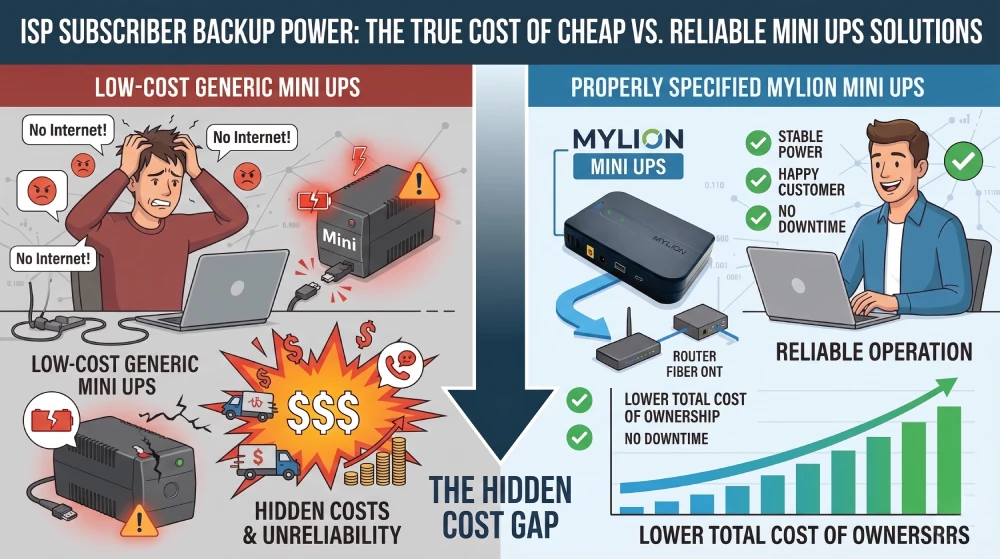
What ISPs Are Really Buying When They Choose a Mini UPS
When an ISP buys subscriber-side backup power, the purchase is not only a hardware transaction. The ISP is also buying:
- A defined emergency runtime window
- A continuity promise to the subscriber
- Fewer avoidable support events
- Greater confidence in service resilience during short outages
- A standardization framework for field installation
If the chosen Mini UPS cannot deliver those outcomes reliably, the CAPEX decision has not achieved its real purpose.
Mylion Mini UPS is designed specifically to fulfill these five requirements, with runtime tiers, device-family matching, and batch-to-batch consistency that directly support ISP continuity goals.
The Hidden Cost of Under-Spec Backup
Under-spec backup often looks attractive at first because it keeps unit cost down. But if the chosen product is too weak in output current, connector control, runtime realism, or batch consistency, the project may pay later through:
- Higher support call volume
- More truck rolls
- Replacement handling
- Lower user satisfaction
- Distributor hesitation on repeat programs
- Internal pressure to re-evaluate the rollout
A backup unit that is technically “working” but operationally disappointing still creates cost. In many cases, the hidden cost of under-spec deployment is far greater than the visible savings on unit price.
That is why Mylion Mini UPS focuses on realistic runtime, stable output current, and connector control—not just low BOM cost.
How Runtime Tier Changes CAPEX Logic
CAPEX decisions become more rational when runtime is defined by project tier rather than by a general wish for “as much backup as possible.”
For example:
Tier | Runtime Target | Use Case | Recommended Mini UPS |
Short | 15–30 min | Brief flickers, small-city grid | Mylion MU26 Mini UPS (low capacity) |
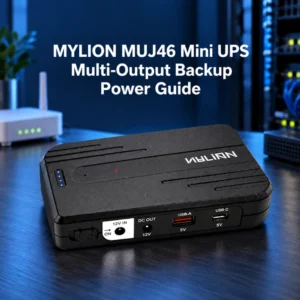
Standard | 1–2 hours | Suburban FTTH, voice continuity | Mylion MUJ46 Mini UPS (mid-range) |
Extended | 3–6 hours | Rural, unstable grids, premium SLA | Mylion MU35 Mini UPS (high-capacity) |
This tiered approach helps the ISP avoid two common mistakes:
- Buying too much batteryfor low-value scenarios → wasted CAPEX
- Buying too little backupfor a continuity promise that customers actually care about → complaint wave
The right CAPEX decision is not always the smallest number. It is the number aligned with the service promise. Mylion Mini UPS product families are explicitly tiered, allowing ISPs to match runtime to revenue per subscriber.
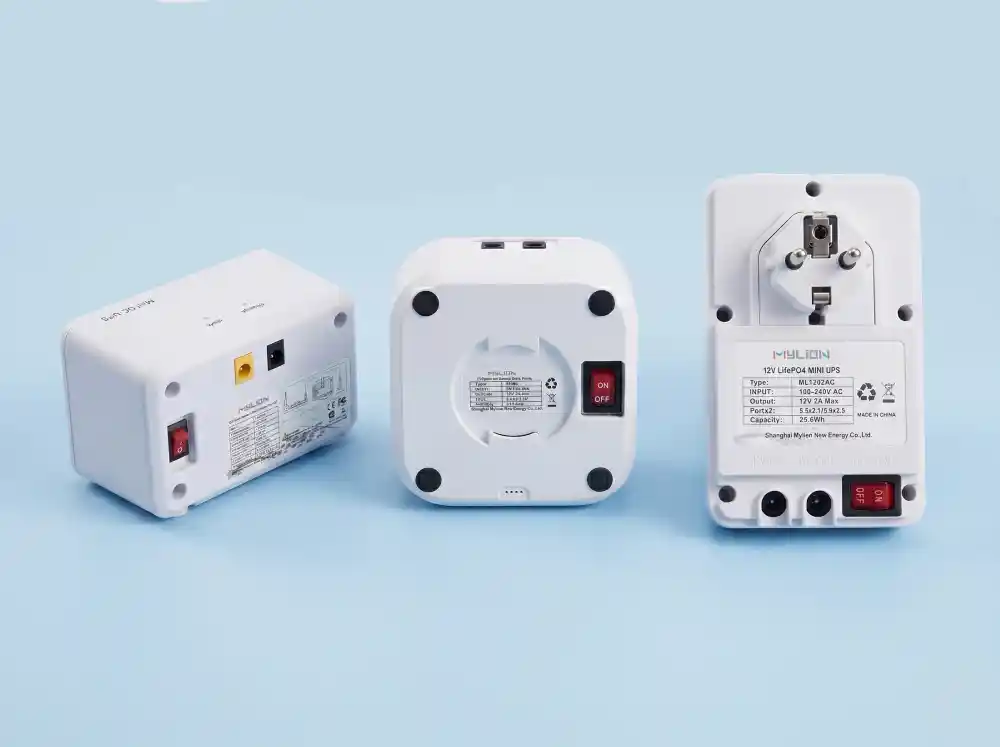
Standardization Often Saves More Than Pure Price Pressure
A well-structured Mini UPS program can create savings that do not appear in the unit-price comparison:
- Fewer SKU mistakes
- Faster installer familiarity
- Cleaner training
- Easier spare management
- More stable channel execution
- More efficient future purchasing
This is why standardization quality often matters as much as price negotiation. If the backup solution can be rolled out cleanly across the target device families (ONT, router, ONT+router), the total program becomes easier and cheaper to manage over time.
Mylion Mini UPS supports standardization with consistent connectors, labeling, and packaging across all models. ISPs can mix runtime tiers without changing installation procedures.
A Practical Evaluation Framework for ISPs
A stronger subscriber-side backup evaluation should consider:
- Unit cost
- Application fit
- Runtime against the real service target
- Device-family coverage
- Current margin and stability
- Connector and accessory control
- Likely complaint reduction value
- Impact on truck-roll frequency
- Repeatability across shipment batches
This broader framework helps procurement, technical teams, and product managers align around the real value of the backup program. It also reduces the chance that a low-price decision becomes a support burden later.
When a Higher-Cost Mini UPS Is Actually the Better Business Decision
A higher-cost Mini UPS may be the better business decision when:
- It covers both ONT and router where service continuity matters
- It reduces installation confusion
- It standardizes across more device families
- It offers more realistic runtime for the promise being made
- It lowers complaint risk in markets with unstable utility supply
- It supports broader channel confidence
In these cases, the higher CAPEX is not waste. It is controlled spending to reduce avoidable operational friction.
How Mylion Mini UPS Supports Practical Backup Evaluation
Mylion Tech is a specialized manufacturer of Mini UPS for subscriber-side backup power, serving telecom operators, ISPs, and channel partners globally. The Mylion Mini UPS portfolio is framed around real deployment needs rather than headline numbers.
Key features of Mylion Mini UPS:
- Lithium-ion or LiFePO4 options for temperature tolerance
- Runtime from 2 hour to 15 hours depending on tier
- Output current up to 5A continuous (supports ONT + router)
- Universal barrel connectors + adapter kit
- LED status and Zero-millisecond switching
- Desktop and wall-mount designs
- Optional OEM/ODM for custom enclosures, branding, or connector pinouts
Mylion supports ISPs with:
- Model recommendation by device and runtime target
- Discussion of ONT-only versus ONT+router continuity value
- Product options across different power and runtime tiers
- Practical standardization and project planning
- Selected OEM / ODM cooperation when needed

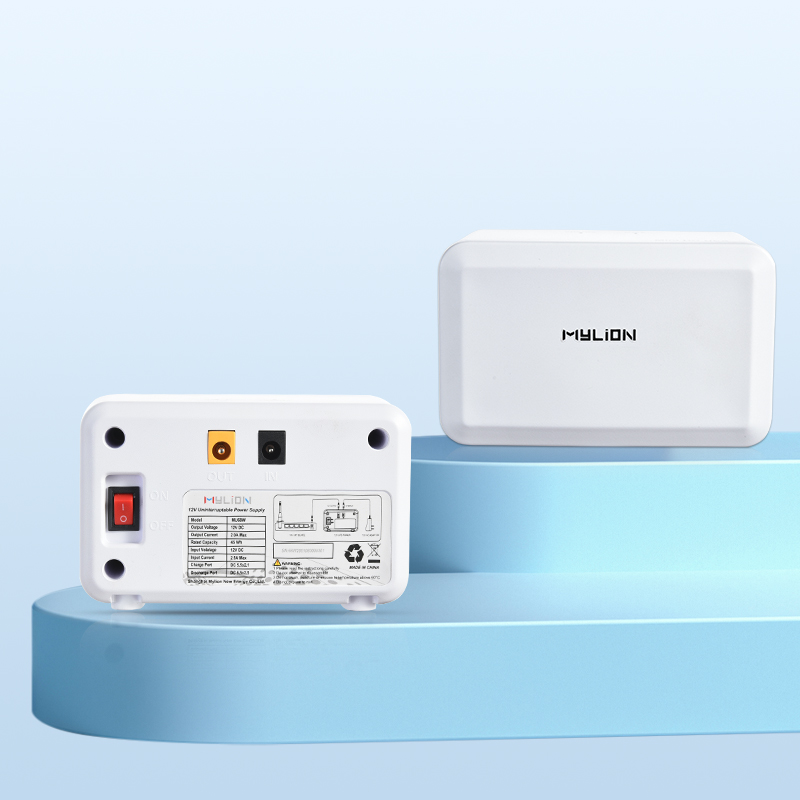
MUC85 Mini UPS
MU68 Mini UPS
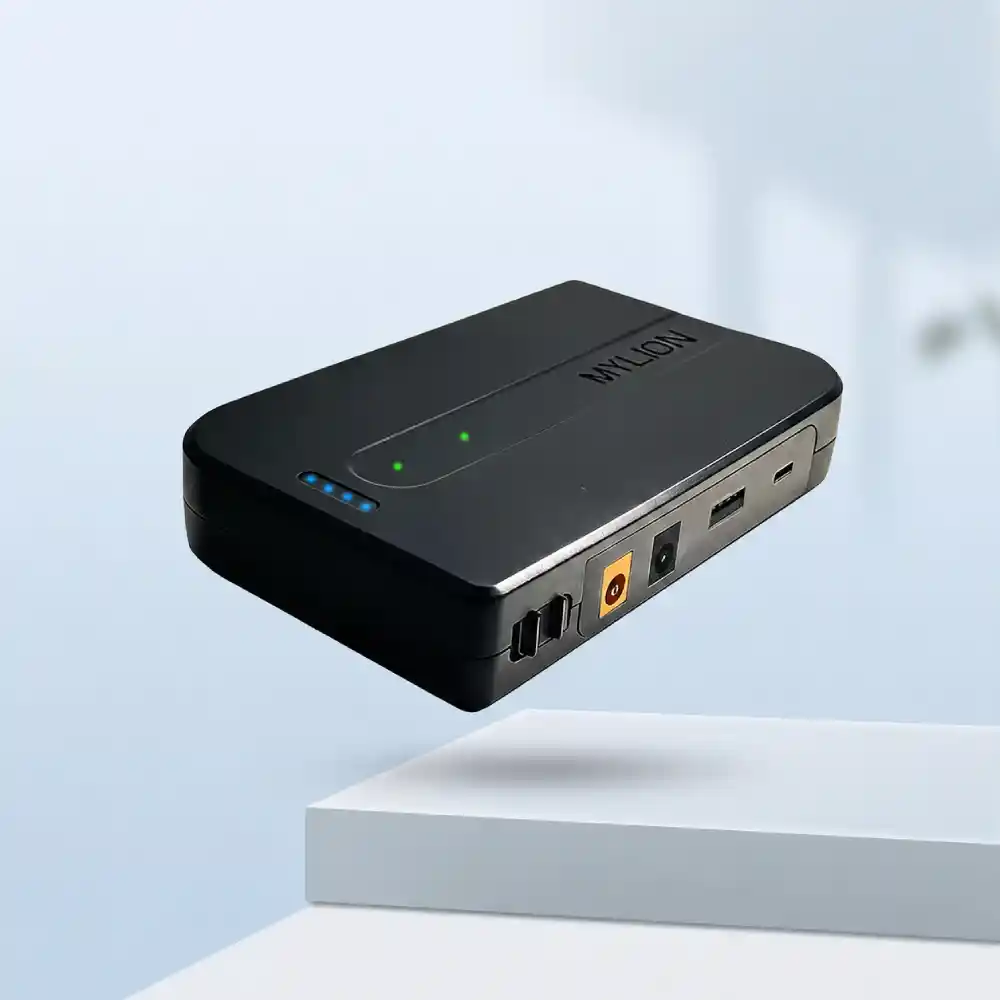
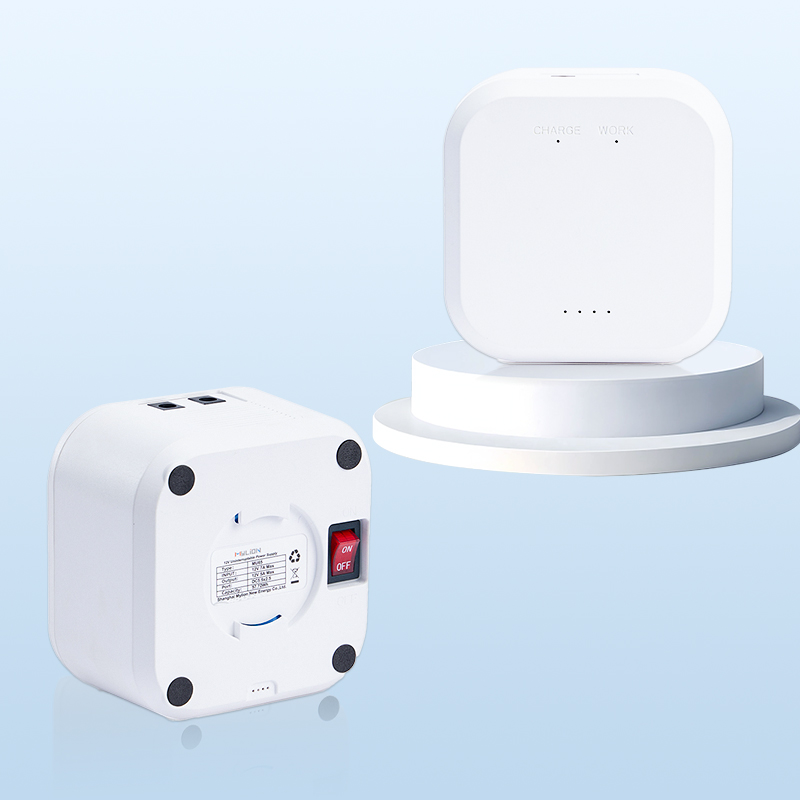
MUJ46 Mini UPS
MU35 Mini UPS
FAQ
Q1: Why is the cheapest Mini UPS not always the lowest-cost option?
Q2: How should ISPs think about CAPEX for backup power?
Q3: Why does runtime tier matter?
Q4: What creates hidden cost in backup rollout?
Q5: Can better standardization reduce cost?
Q6: What makes Mylion Mini UPS different?
Conclusion
Mini UPS for subscriber-side backup power is not a commodity—it is a continuity enabler. ISPs that evaluate backup power by unit price alone risk higher complaints, unnecessary truck rolls, and deployment instability. A better approach balances four elements: CAPEX visibility, runtime realism, standardization strength, and service continuity value. The lowest unit price rarely wins after full rollout.
Mylion Mini UPS delivers that balance across short, standard, and extended runtime tiers. Whether you need ONT-only support or ONT+router continuity, Mylion provides a deployment-ready solution aligned with your service promise.

 English
  简体中文
简体中文  Deutsch
  Français
  Italiano
  Español