
Introduction
A Mini UPS that works in a sample test is not automatically project-ready.
For telecom operators, ISPs, distributors, and system integrators, a reliable Mini UPS for Telecom and Broadband must go beyond a battery pack and a successful bench demo.
A project-ready backup solution must be easy to evaluate, standardize, deploy, and maintain across batches. Many suppliers offer a battery product — but not a deployment-ready solution. The gap between “sample works” and “project works” is where complaints, delays, and hidden costs begin.
Mylion defines project-ready around five critical questions:
- Can it match the actual device and application?
- Can it be repeated across batches with stable quality?
- Can it be evaluated and approved quickly?
- Can it be deployed with low field confusion?
- Can the supplier support project documents, customization, and execution?
If the answer to these questions is weak, the product is not truly project-ready, even if the electrical specification looks acceptable.
Why Mini DC UPS Is Critical for ISP & Broadband Infrastructure Projects?
In today‘s always-connected world, broadband infrastructure has become mission-critical public infrastructure. While core data centers often receive robust power protection, the weakest point in most broadband networks remains the edge: routers, ONT/ONU devices, access switches, and outdoor cabinets deployed across cities, rural areas, and remote locations.
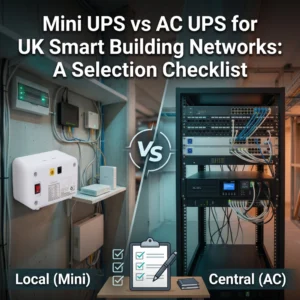
Traditional AC UPS systems were designed for server rooms — not for distributed broadband infrastructure. When applied to edge deployments, they create three fundamental problems:
Oversized capacity for low-power devices, driving unnecessary cost per deployment point
Inefficient AC-DC conversion — wall AC → battery DC → AC → back to DC wastes substantial energy
Bulky form factor unsuitable for customer-premise cabinets, wall mounting, or ONT enclosures
In contrast, Mini DC UPS systems provide direct DC backup (5V/9V/12V/24V/48V), eliminating unnecessary conversion steps and aligning perfectly with ISP edge equipment requirements. Efficiency jumps from 70–80% to 90–95%, and the compact footprint fits exactly where it‘s needed.
Application Mapping: The First Sign of a Project-Ready Mini UPS for Telecom and Broadband
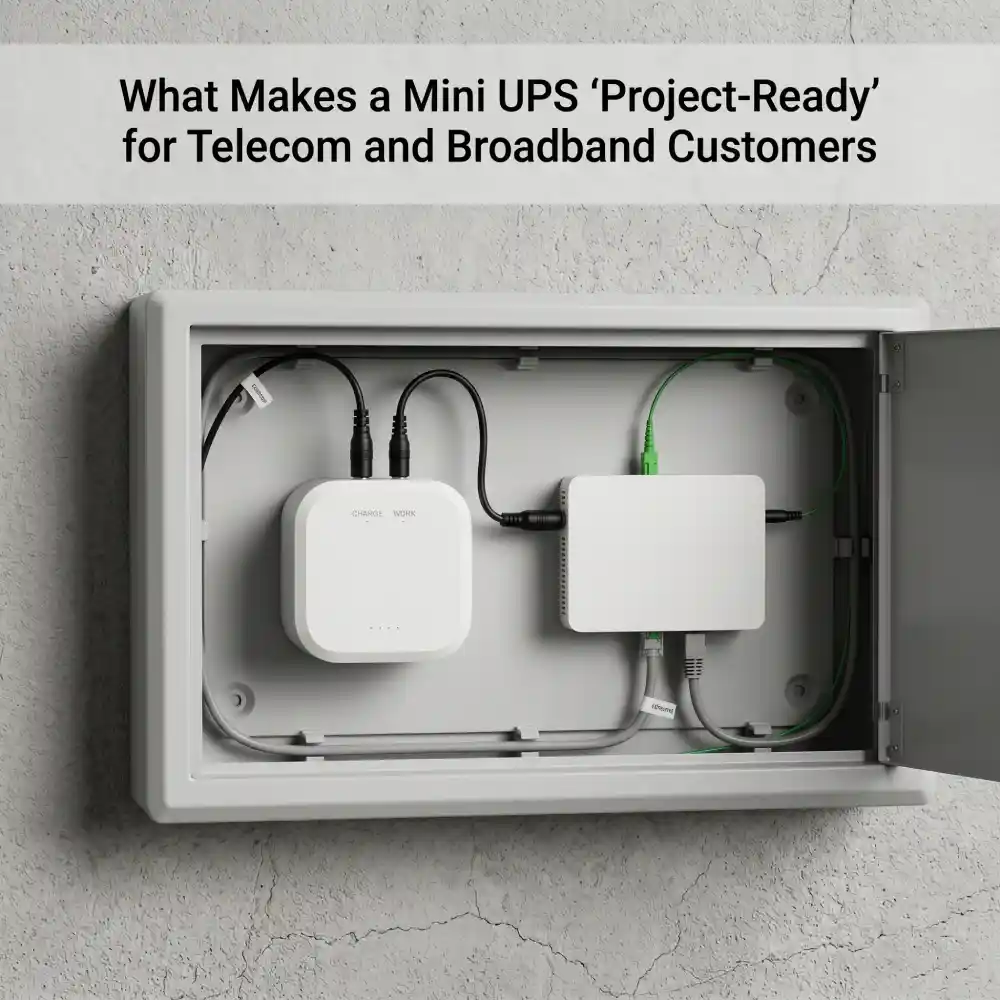
The first sign of a project-ready Mini UPS for Telecom and Broadband is correct application mapping. Buyers do not need a random battery box. They need a solution that matches real scenarios: ONT backup, ONU backup, router-only, ONT+router, gateway, high-power CPE, or 24V/48V edge applications.
A project-ready supplier will discuss:
- Device voltage and actual load vs adapter label
- Single-device vs dual-device backup
- Runtime targets by project tier
- Connector and cable matching
- Installation environment (desktop, inline, outdoor cabinet)
- Whether a standard model fits or project adjustment is needed
Model mismatch is a top hidden risk in broadband backup projects. If the product line is not organized around real use cases, the customer wastes time filtering through unsuitable options. A project-ready Mini UPS line should make selection easier, not harder.
Mylion‘s product line is built around real telecom, broadband, FTTH, and network continuity needs — not generic battery supply. The line is structured by power level, runtime level, deployment style, output architecture, battery chemistry, and voltage system, which helps reduce model mismatch in actual projects.
Batch Consistency Is Part of the Mini UPS Product
A project-ready Mini UPS is defined not only by its design but also by production repeatability. For telecom and broadband customers, the real test starts when moving from sample to repeated shipments.
What serious buyers verify:
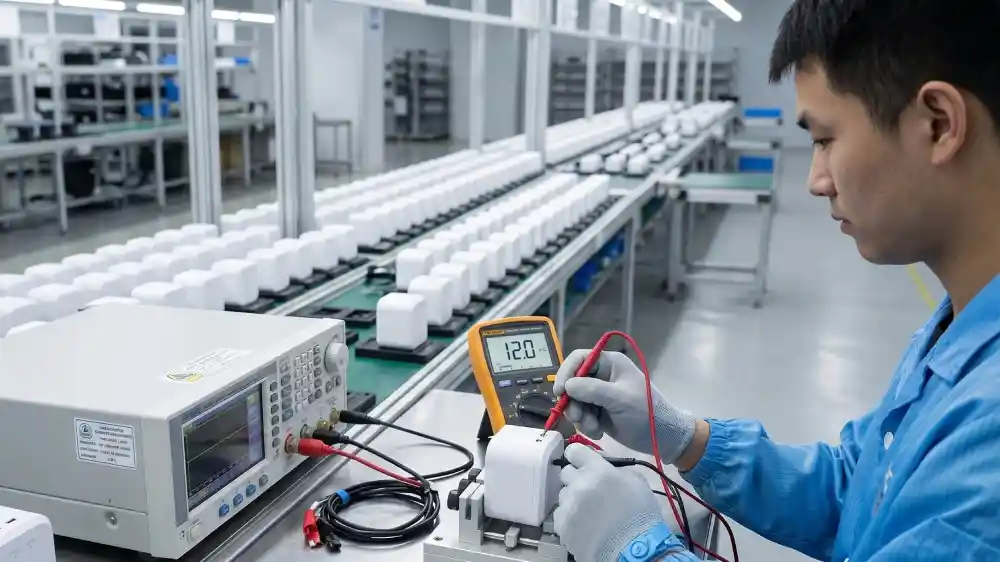
- Full inspection logic and electrical verification before shipment
- Output validation under defined load conditions
- Stable incoming material control
- Practical labeling and packaging control
- Repeatability from sample to mass delivery
Mylion provides engineering-based model matching support to help customers avoid unsuitable selections and deployment risks, with pre-shipment functional testing across all batches.
A project-ready supplier should explain how the product is validated before shipping, not just how it is designed in theory.
Why Product Specs Alone Are Not Enough
Many buyers start by comparing watt-hours, current rating, and battery chemistry. These are important, but they are not the full buying logic for a telecom or ISP project.
Two products can both claim 12V output and similar battery energy, yet one may still create field problems because:
- The output current margin is too tight
- The switchover behavior causes reboot risk
- The connector family is not well controlled
- The adapter matching is unclear
- Runtime claims are based on ideal load, not real device conditions
- The supplier has no practical deployment guidance
In project environments, a specification sheet should support a decision, not replace engineering judgement. The more valuable supplier is usually not the one with the longest list of claimed features, but the one that helps the customer avoid deployment mistakes.
Evaluation Speed Matters
Telecom and broadband projects often move through a structured process: internal review, device compatibility check, runtime validation, limited trial, then broader rollout. A Mini UPS that is hard to evaluate slows the entire project.
A project-ready solution should support faster evaluation by providing:
- Clear application positioning
- Straightforward model comparison
- Realistic backup-time guidance
- Defined use cases
- Connector information
- Basic documents needed for technical review
- Clear answers on standard versus customized options
This does not mean overwhelming the customer with paperwork. It means reducing decision friction. Good project support helps the customer reach the right conclusion faster, with less internal confusion.
To make selection truly project-ready, Mylion organizes its Mini UPS for Telecom and Broadband product line around specific deployment scenarios — not random specifications. Each model is engineered for a distinct backup power use case.
Here is how Mylion‘s key models map to real telecom and ISP projects:
MU68 — The Standard 12V Workhorse
Best for: Standard 12V routers, ONT, ONU, modem backup
Positioning: Classic and most widely deployed model for ISP/telecom projects
Output: 12V DC, fits the majority of residential and small-office broadband deployments
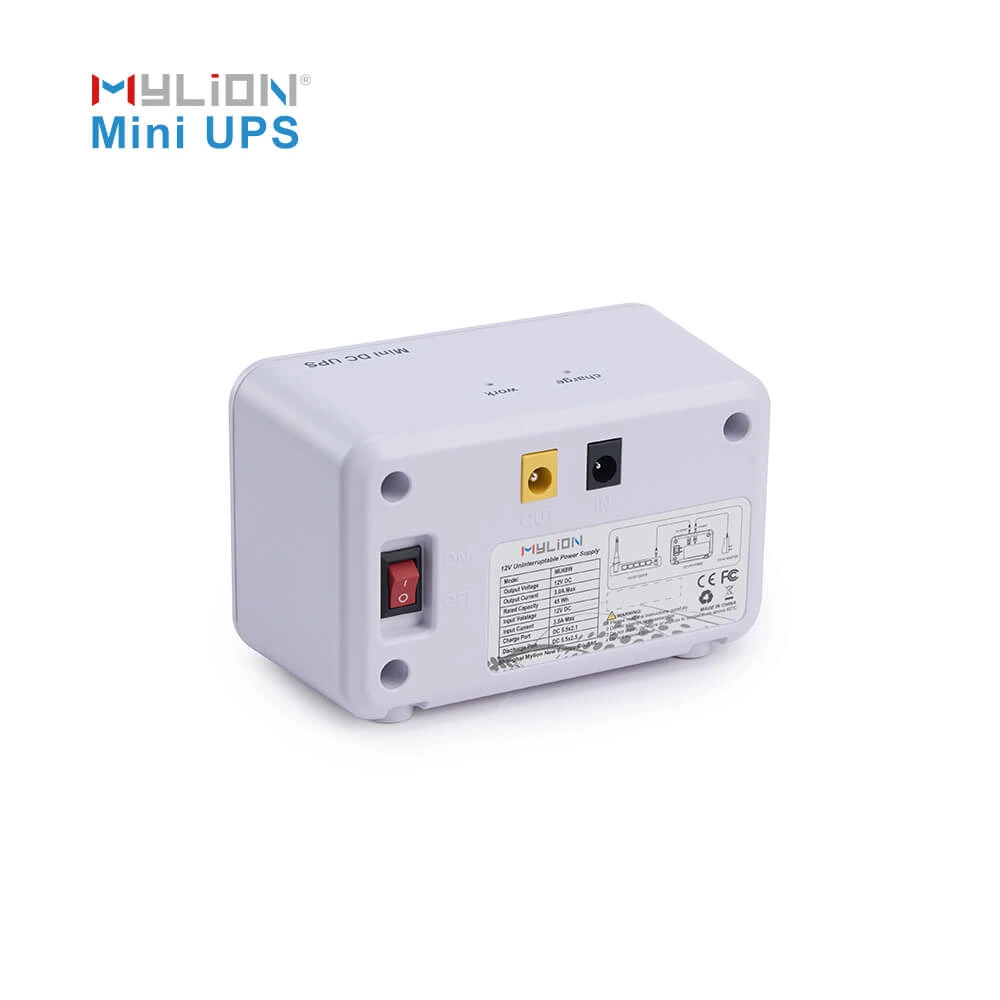
MU35 — Higher-Power 12V Backup
Best for: High-load 12V network devices, gateways, high-performance routers
Positioning: Upgrade choice when 12V 3A is insufficient
Output: Higher current capacity for demanding edge applications
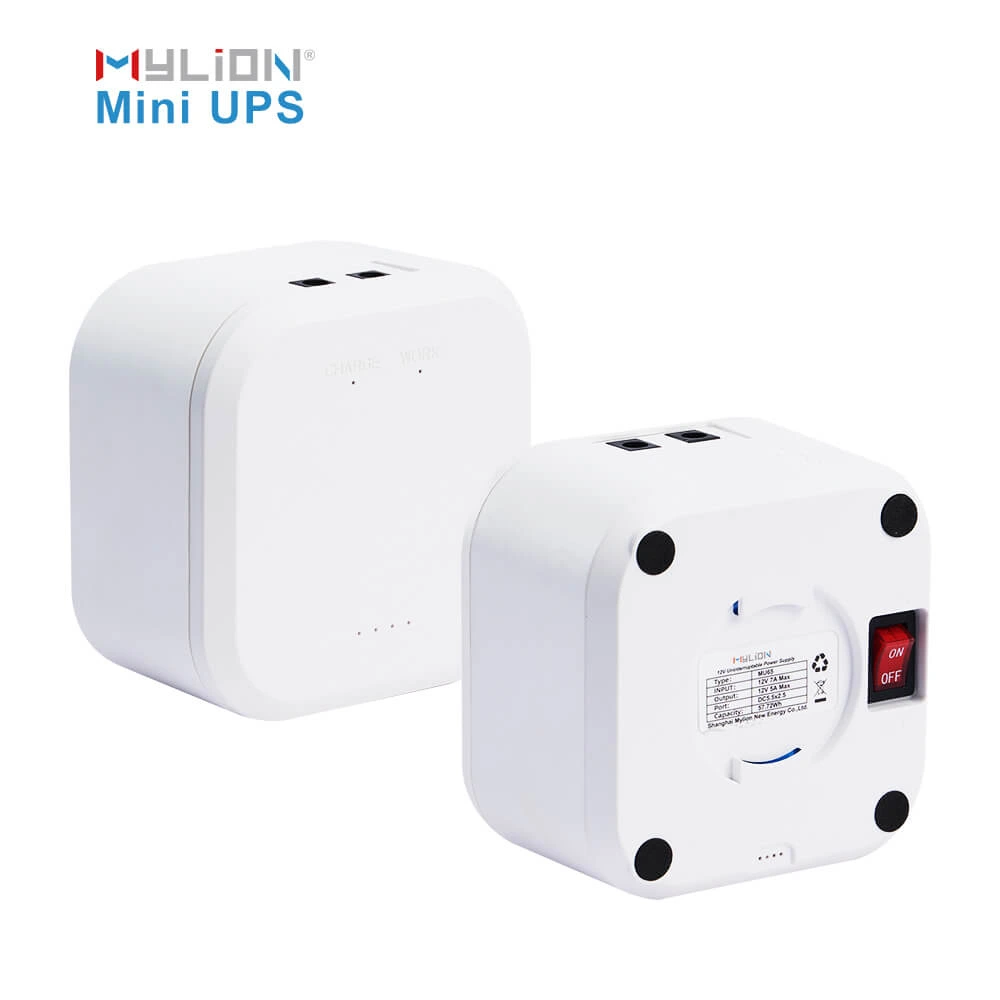
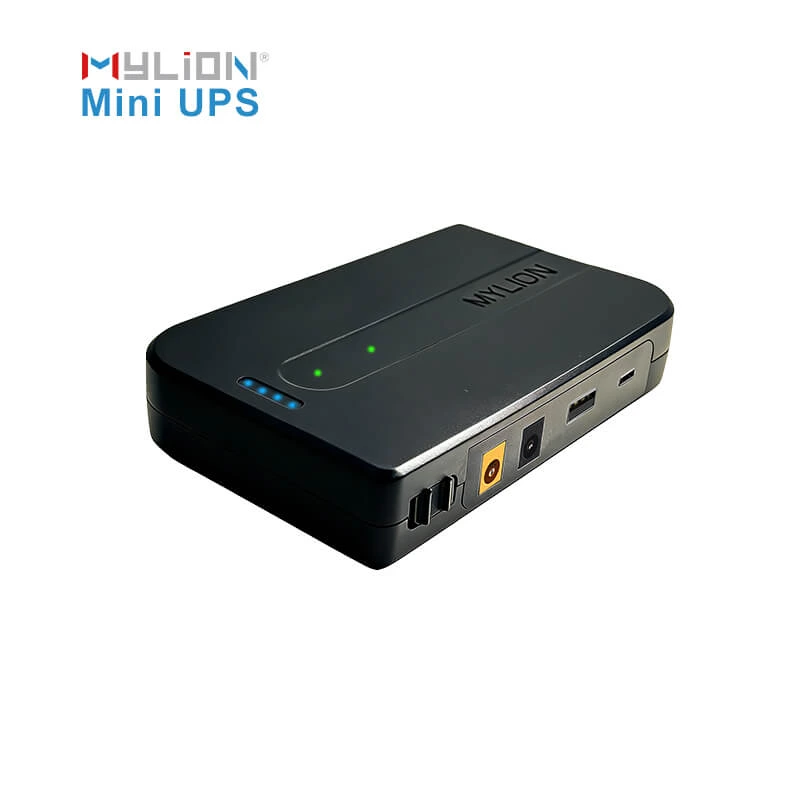
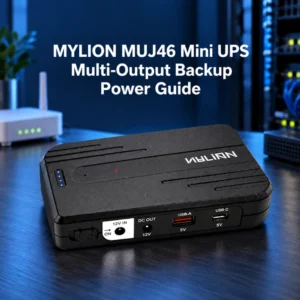
MUJ46 — FTTH Inline Deployment
Best for: FTTH integrated deployments, concealed wiring, structured mounting
Positioning: Optimized for compact inline installation inside customer ONT enclosures
Scenario: Where space is tight and installation must be clean and professional
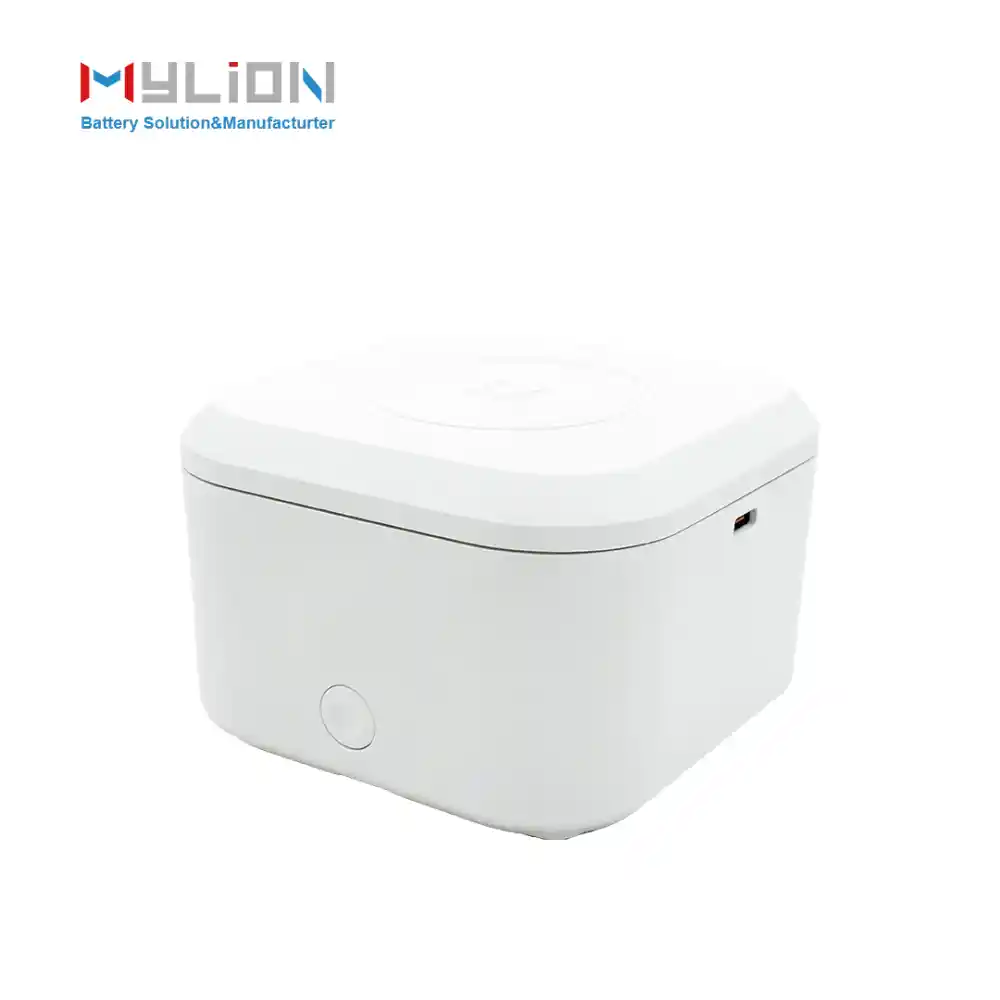
MUC85 — USB-C/PD for Modern Devices
Best for: USB-C/PD-powered routers, modern CPE, and network devices
Positioning: Flexible choice for modern power architecture, supporting 5V/9V/12V/15V/20V via Type-C PD
Feature: 65W Type-C PD input/output, multi-voltage support for routers, CPE, ONT, laptops
Additional Specialized Models
Model | Application |
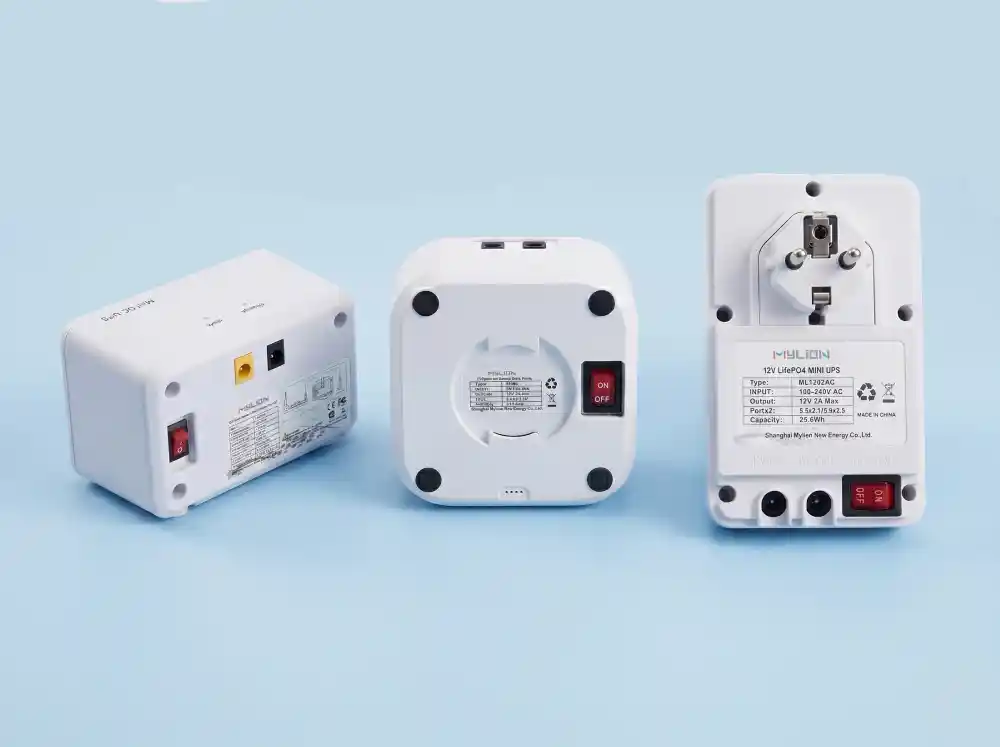
Built-in AC input (110V-240V, no separate adapter needed), LiFePO₄ chemistry, ideal for standard ONT/ONU residential FTTH installations | |
5A high-power Mini UPS for enterprise routers, switches, integrated access devices, and multi-device installations | |
Outdoor waterproof solar Mini UPS for rural cabinets, harsh environments, and off-grid telecom nodes | |
Solar-integrated Mini UPS for remote areas and regions with unreliable grid power |
How to Choose the Right Mylion Mini UPS Model
Before selecting a Mini UPS model for your telecom or ISP project, confirm:
- Device voltage (5V/9V/12V/24V/48V)
- Current requirement (2A/3A/5A)
- Connector size and type
- Actual power consumption (not just adapter label)
- Required backup time
- Installation type (desktop / inline / outdoor cabinet)
- Whether USB-C/PD compatibility is needed
Project-ready tip: Mylion first checks whether a standard model fits your deployment — customization is only introduced when it truly improves project fit.
Documentation, Approval Support, and Customization Discipline
In B2B deployment, approval involves procurement, quality, product management, and logistics — not just engineering.
A project-ready Mini UPS supplier should support:
- Basic product data and comparison logic
- Evaluation samples
- Runtime discussion based on actual device data
- Export and project review documents
- OEM/ODM discussion when relevant
- Clear technical clarification contact
Mylion provides all of the above, helping distributors, operators, and network brands move projects forward internally and externally.
Customization discipline: A project-ready supplier does not push customization too early and does not block it when genuinely needed. Instead, the supplier helps the customer separate three situations:
- Standard model is already suitable → ship immediately
- Standard model + branding/packaging/cable changes → minimal lead time
- Project truly needs adjusted output architecture → structured custom support
This mature approach preserves speed where possible and introduces customization only where it improves project fit.
How MYLION Supports Project-Ready Backup Solutions
At MYLION, Mini UPS solutions are organized around real deployment logic, not random product listing. Standard models are mapped by power level, runtime level, voltage system, output architecture, and application role. This helps telecom and broadband customers move faster from device requirement to practical model choice.
For project customers, MYLION supports:
- Model recommendation based on device voltage, current, and backup target
- Support for ONT, ONU, router, gateway, dual-device, and selected 24V / 48V applications
- Electrical and functional verification before shipment
- Support for evaluation and export-related documents
- Selected OEM / ODM support including branding, packaging, and connector options
The goal is simple: reduce mismatch risk and help the customer move from evaluation to deployment with more confidence.
FAQ
Q1: What does “project-ready” mean for a Mini UPS?
Q2: Why is batch consistency so important?
Q3: Is a standard Mini UPS model enough for most projects?
Q4: What kind of customization is usually practical?
Q5: What should telecom buyers ask before approving a Mini UPS?
Conclusion
A Mini UPS for Telecom and Broadband becomes project-ready only when it bridges the gap between a working sample and repeatable, low-risk deployment. That means application mapping, batch consistency, fast evaluation, disciplined customization, and full documentation support — not just a battery in a box.
Mylion has developed a series of Mini UPS solutions for telecom and broadband projects. They are deployment-engineered for ONT, router, gateway, FTTH, and high-power CPE backup. From sample to mass shipment, from standard models to justified customization, Mylion helps telecom and broadband customers move from evaluation to deployment with confidence.

 English
  简体中文
简体中文  Deutsch
  Français
  Italiano
  Español