
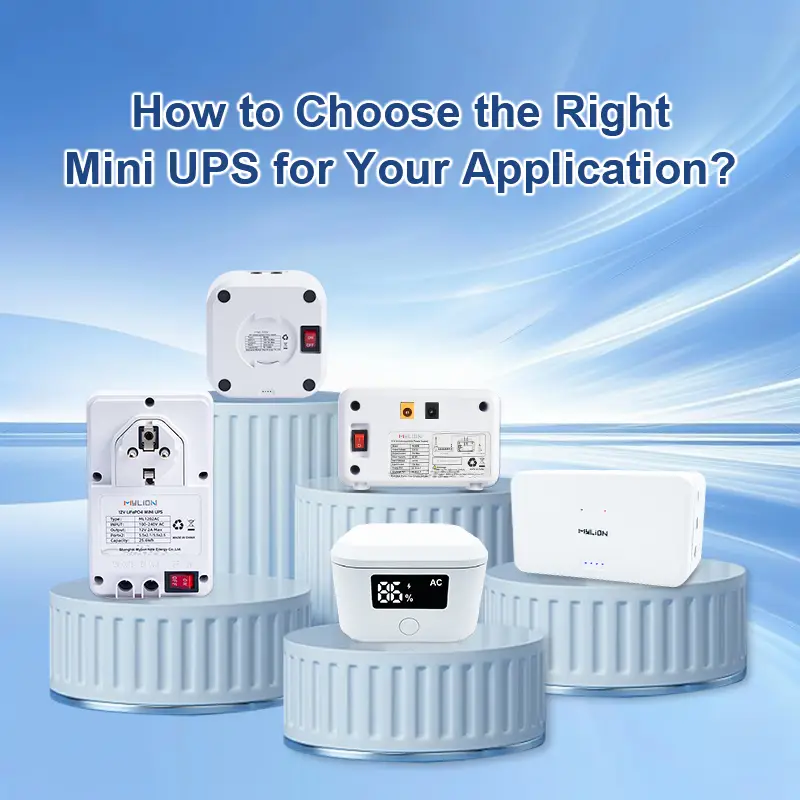
Why Choosing the Right Mini UPS Matters?
In today’s always-connected world, uninterrupted power is no longer optional for telecom, networking, and industrial systems.
Even brief power interruptions can cause network downtime, data loss, remote equipment failure, and costly service disruptions.
For professional environments, Mini UPS systems provide a compact and efficient DC backup power solution designed specifically for low-voltage equipment.
However, selecting the right Mini UPS is not a simple plug-and-play decision. Unlike consumer power banks or home backup devices, professional Mini UPS systems must be carefully matched to the application’s electrical, environmental, and operational requirements.
This guide is written exclusively for B2B buyers, including system integrators, telecom operators, ISPs, distributors, and project engineers, to help ensure optimal performance, long-term stability, and project success.
Clearly Define Your Application Requirements
Identifying Professional vs Consumer Use Cases
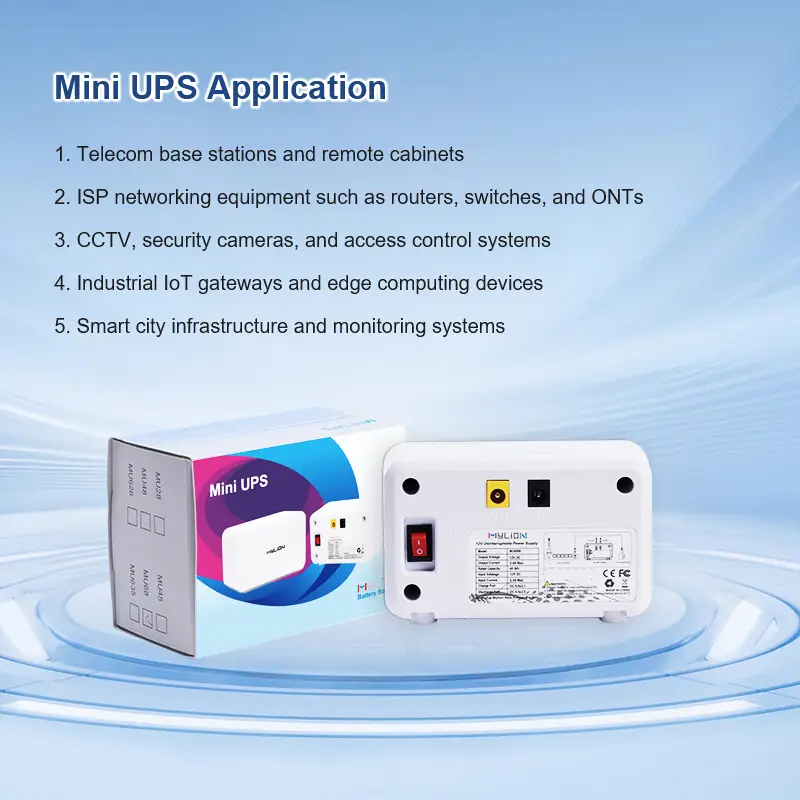
The first step in choosing the right Mini UPS is understanding where and how it will be used. Professional applications typically include:
- Telecom base stations and remote cabinets
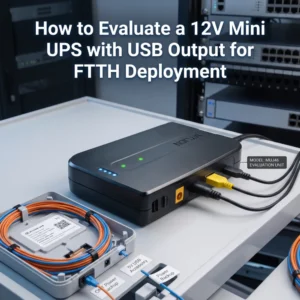
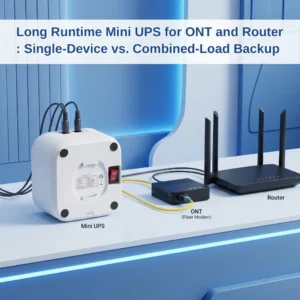
- ISP networking equipment such as routers, switches, and ONTs
- CCTV, security cameras, and access control systems
- Industrial IoT gateways and edge computing devices
- Smart city infrastructure and monitoring systems
These environments demand continuous operation, voltage stability, and high reliability, which consumer-grade power banks cannot provide.
A professional Mini UPS is engineered for 24/7 operation, stable DC output, and integration into fixed systems—not occasional portable use.
Confirm Operating Voltage and Current
Common DC Voltage Levels in Professional Equipment
Selecting the correct Mini UPS starts with confirming the operating voltage of the connected equipment. Most professional DC devices operate at standardized voltage levels such as:
- 5V DC – IoT sensors, gateways, embedded controllers
- 9V DC – Certain routers and communication modules
- 12V DC – Routers, ONTs, CCTV cameras, switches
- 24V DC – Industrial controllers, wireless CPEs, telecom equipment
A mismatch in voltage can result in unstable operation, equipment damage, or complete system failure. Unlike AC UPS systems that require AC-DC conversion, DC Mini UPS systems deliver power directly, eliminating conversion losses and improving efficiency.
Understanding Load Current and Power Consumption
In addition to voltage, it is critical to confirm the current (A) or power (W) requirement of the connected load. The Mini UPS must be capable of supplying sufficient current during both normal operation and peak load conditions.
For B2B projects, engineers should always calculate total load current with an appropriate safety margin. Undersized UPS systems may overheat, trigger protection circuits, or shorten battery lifespan.
Battery Capacity and Backup Time Calculation
How Battery Capacity Determines Runtime?
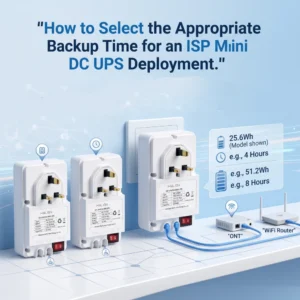
Battery capacity is one of the most critical factors in Mini UPS selection, as it directly determines backup duration during a power outage. Capacity is typically measured in watt-hours (Wh) or ampere-hours (Ah).
A higher battery capacity provides longer runtime, but also impacts physical size, cost, and charging time. The goal is not simply to maximize capacity, but to optimize backup time based on real operational needs.
Matching Backup Time to Real-World Scenarios
Different applications require different backup strategies:
- Telecom & ISP networks: Short outages (30 minutes to several hours) to maintain connectivity until power is restored
- Security systems: Continuous operation during outages to prevent blind spots
- Industrial systems: Controlled shutdown or sustained operation during power instability
By accurately estimating outage duration and load consumption, system integrators can select a Mini UPS that delivers reliable performance without unnecessary oversizing.
Installation Environment and System Design Considerations
Indoor, Outdoor, and Cabinet Installations
The installation environment plays a significant role in Mini UPS selection. Factors to consider include:
- Ambient temperature range
- Humidity and dust exposure
- Ventilation and airflow
- Enclosure or cabinet installation
Industrial-grade Mini UPS systems are designed to operate reliably in challenging environments, unlike consumer devices that are limited to controlled indoor conditions.
Space, Mounting, and Thermal Management
Professional projects often require compact designs with flexible mounting options such as wall-mounting, DIN-rail installation, or cabinet integration. Proper thermal design ensures stable operation and protects internal components, especially batteries.
Protection Features and System Safety
Electrical Protection Mechanisms
A professional Mini UPS must include comprehensive protection features to safeguard both the power system and connected equipment, including:
- Over-charge protection
- Over-discharge protection
- Short-circuit protection
- Over-current protection
These features prevent system damage during abnormal conditions and ensure safe, stable power delivery.
Battery Protection and Lifecycle Management
Advanced battery management systems (BMS) are essential for extending battery life and maintaining consistent performance. Protection against over-temperature and deep discharge significantly reduces maintenance costs and downtime over the system’s lifecycle.
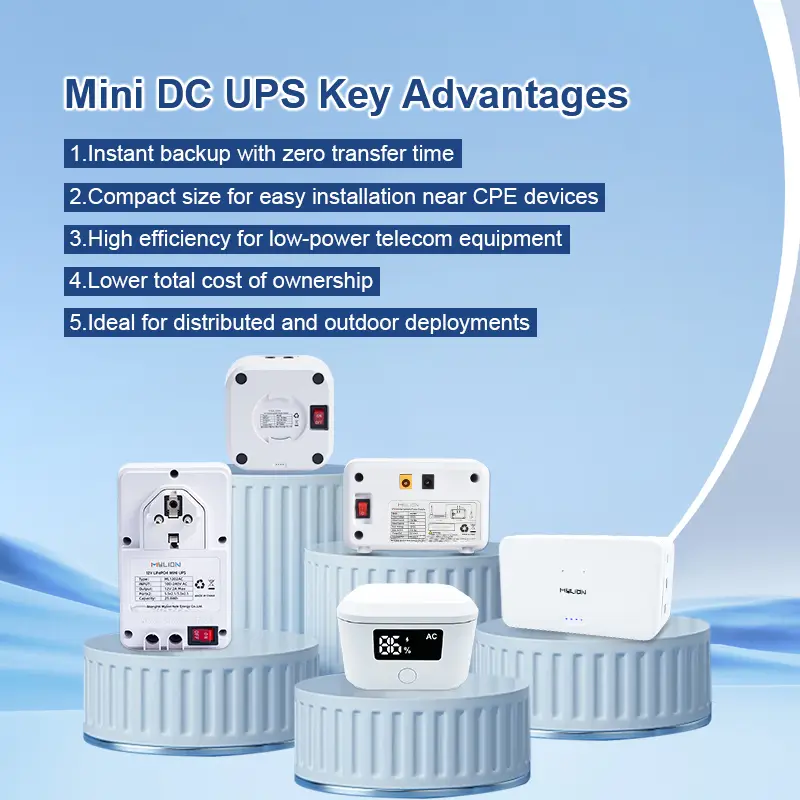
Importance of Certification and Compliance
Regulatory Requirements for B2B Projects
Certified Mini UPS products provide higher reliability and are often mandatory for professional deployments. Certifications demonstrate compliance with international safety, EMC, and quality standards, which is especially important for telecom operators and global projects.
Why Certified Mini UPS Products Are More Reliable
Certification is not just a label—it reflects rigorous testing, quality control, and engineering discipline. Certified products reduce project risk, simplify approvals, and ensure long-term regulatory compliance.
Long-Term Performance and Stability
System Compatibility and Scalability
Understanding application requirements helps ensure optimal performance not only today, but also as systems scale or evolve. A well-matched Mini UPS supports future expansion without compromising reliability.
Reducing Maintenance and Operational Risk
Stable voltage output, high-quality components, and long lifecycle batteries contribute to lower total cost of ownership. For B2B buyers, reliability over time is far more valuable than short-term cost savings.
Why Choose Mylion as Your Mini UPS Partner?
Manufacturer-Direct Advantages
Mylion is a manufacturer-direct Mini UPS supplier, offering full control over design, quality, and production. This ensures consistent performance, competitive pricing, and reliable supply for long-term projects.
Industrial-Grade Design and Global Experience
Mylion Mini UPS systems are built with:
Industrial-grade components
Stable DC voltage output
Long lifecycle lithium batteries
Comprehensive protection features
With extensive global project experience, Mylion supports telecom operators, system integrators, and distributors across multiple regions.
OEM / ODM Capability
In addition to standard models, Mylion offers OEM and ODM customization, enabling clients to tailor voltage, capacity, housing, branding, and interfaces to meet specific project requirements.
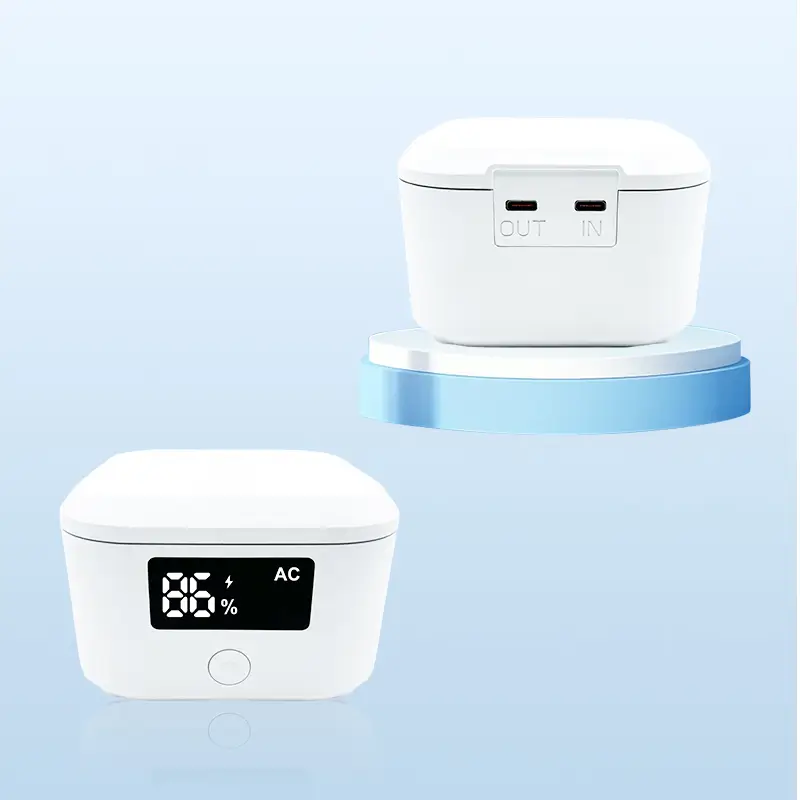
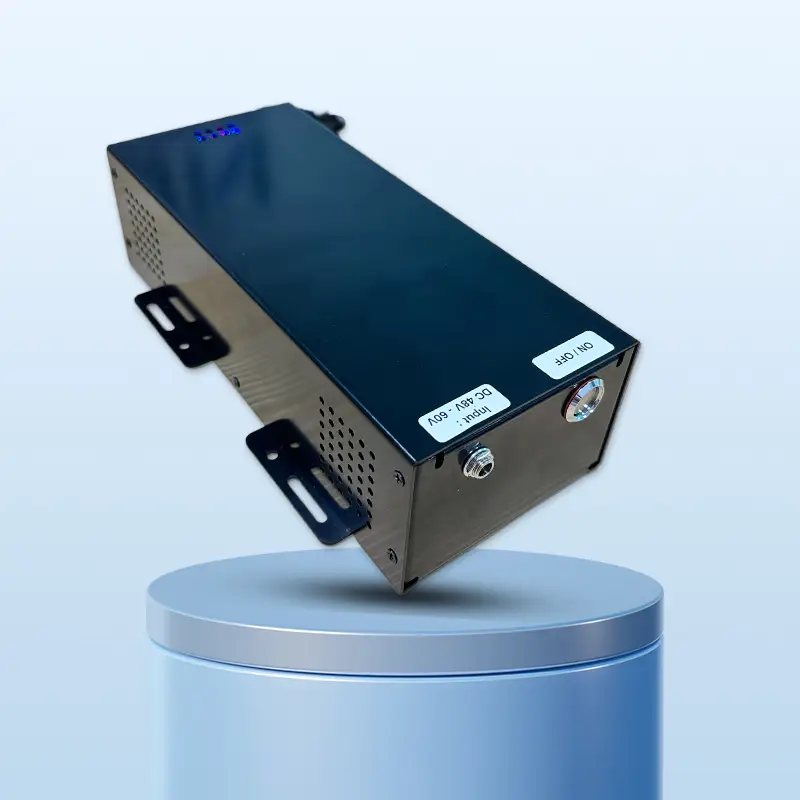
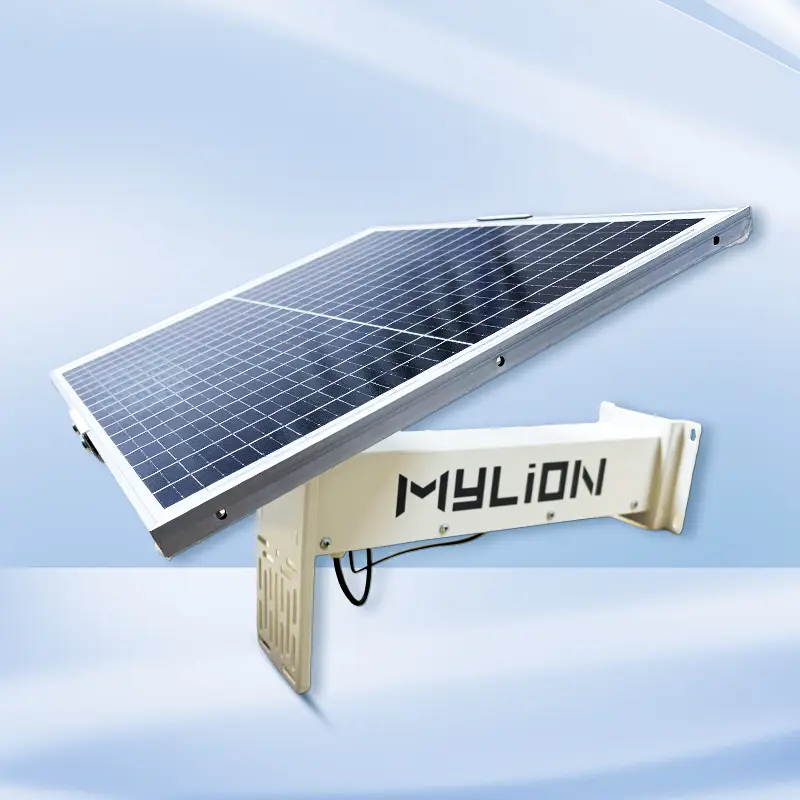
Mylion can provide Mini UPS
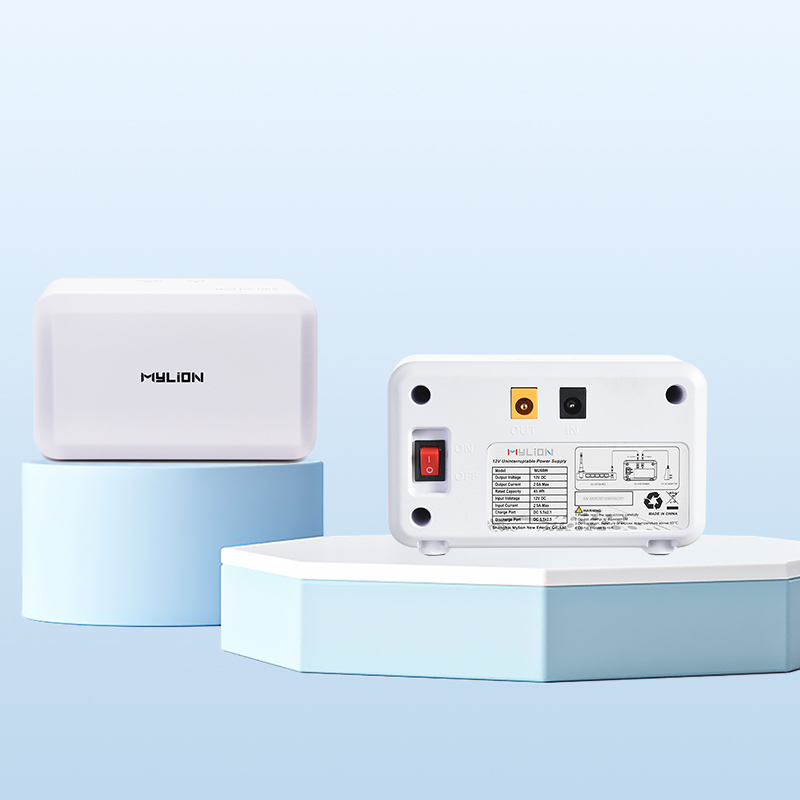
Mylion delivers complete Mini UPS solutions, ensuring stable DC power and long backup time for professional applications.


Conclusion
Choosing the right Mini UPS requires careful evaluation of voltage, current, battery capacity, protection features, certification, and installation environment.
By fully understanding application requirements, B2B buyers can ensure optimal performance, long-term stability, and reduced operational risk.
Mylion is committed to providing professional, certified, and industrial-grade Mini UPS solutions designed specifically for telecom, networking, security, and industrial applications.
If you are a system integrator, ISP, distributor, or project engineer seeking a reliable Mini UPS manufacturer, contact Mylion today to discuss your application requirements and explore customized DC Mini UPS solutions tailored to your project needs.

 English
  简体中文
简体中文  Deutsch
  Français
  Italiano
  Español