

How to Choose the Right Mini UPS for ONT and Router Backup
Battery capacity matters. But for ISP networks, it is never the whole story.
During a power outage, the real issue is not simply whether a backup battery is present. The real issue is whether subscriber connectivity can stay online, whether service complaints can be reduced, and whether field support pressure can be controlled.
That is why, for ISPs, merely focusing on battery capacity when choosing a Mini UPS system is a costly oversight. This guide explores what truly matters when selecting a backup power solution for your network infrastructure.
Why Battery Capacity Alone Is Not Enough
Many buyers start with one question: How big is the battery? This is understandable, but it is also incomplete.
In real broadband deployment, a larger battery does not automatically mean a better backup solution. If the voltage is wrong, the output current is insufficient, the adapter matching is poor, or the load profile is misunderstood, the system may still fail during a power outage.
In many cases, backup problems are not caused by battery quality alone. They are caused by poor system matching.
Typical examples include:
- a Mini UPSwith enough battery energy but not enough output current for the router startup load
- a backup time estimate based on adapter rating instead of actual power consumption
- a single-device designbeing used for ONT and router together
- a solution selected for lab testing but not suited for large-scale deployment consistency
- a product chosen by price only, without considering long-term project reliability
For ISPs, these mistakes create a bigger problem than short backup time. They create unstable service.
What ISPs Really Need from a Mini UPS Solution
From an ISP perspective, the goal of a Mini UPS is not just to keep a battery attached to a device. The real goal is to support service continuity during grid failure.
That means the backup solution should help:
- keep ONT, ONU, router, or gateway online during outage
- reduce subscriber complaints caused by short-term power cuts
- lower truck rolls and avoidable support visits
- improve end-user experience during unstable grid conditions
- support more consistent service performance across deployment batches
In other words, the value of a Mini UPS is not only in stored energy. The value is in reducing operational disruption.
What Matters Beyond Battery Capacity
When evaluating a Mini UPS for ISP deployment, buyers should look beyond capacity and focus on the full backup architecture.
- Voltage Matching
The Mini UPS must match the real device voltage requirement.
Most broadband devices operate on 12V DC, but not all applications are the same. Some telecom equipment may require 24V or 48V solutions. Voltage mismatch is a basic failure point that no battery size can solve.
The Mylion Mini UPS series addresses this with multi-voltage output options (5V/9V/12V). This ensures the device doesn’t just provide power—it provides the correct power profile, preventing equipment damage and ensuring the backup actually engages.
- Output Current Capability
A Mini UPS must support not only normal operating current, but also peak current demand. Some devices appear to be low-power based on nominal data, but in real usage they may draw higher startup current or temporary peak load. If the Mini UPS current margin is too small, the device may reboot or disconnect during outage.
Mylion offers a 12V 5A series of Mini UPS solutions, providing stronger load support and margin for high-power routers and gateways. Of course, for low-power devices, MYlion also provides 1-3A series products, which can meet the needs of different projects.
- Real Backup Time Under Actual Load
ISP projects should estimate runtime based on real device power consumption, not theoretical adapter rating. An ONT-only backup scenario is very different from an ONT plus router deployment. Actual load determines actual runtime.
The Mylion Mini UPS series products address this variability through different capacity levels (2 hours, 3 hours, 4 hours, or 13 hours). This ensures that Internet service providers can match the required load conditions while avoiding over-provisioning.
- Switchover Stability
Battery capacity does not guarantee stable performance when the grid fails. The quality of the power path and switchover design matters. A good Mini UPS should transition smoothly when utility power drops, helping avoid device reset or service interruption.
The Mylion Mini UPS Series adopts advanced zero-delay switching technology. This zero-transition performance ensures that the CPE remains online during power outages without any interruption, thereby safeguarding your Service Level Agreement (SLA) from being affected.
- Adapter and Connector Compatibility
A good battery system can still perform poorly if the adapter matching or connector selection is wrong. For ISP deployment, compatibility across device types, connector requirements, and charging conditions must be reviewed carefully. This is especially important when one project includes multiple device models.
Mylion Mini UPS units are engineered with field compatibility in mind, featuring standardized DC barrel interfaces and optional multi-tip connector kits. This flexibility allows a single MYlion Mini UPS to integrate seamlessly with a wide range of ISP-supplied ONTs and gateways, simplifying inventory management for field technicians.
- Product Consistency for Batch Deployment
For pilot testing, many products may appear acceptable. But for ISP rollout, consistency matters much more. The selected Mini UPS should support repeatable performance across batches, stable quality control, and practical project delivery capability.
MYlion has a stable supply chain and conducts 100% testing on different batches. This minimizes unexpected situations during operation and reduces the risk of premature failures on-site, making MYlion a reliable partner for large-scale deployment scenarios of Internet service providers.
Common ISP Backup Scenarios
Mini UPS selection should start from the application. Different ISP architectures require different backup strategies. Here is how to match MYLION models to specific use cases.
Scenario A: Standard ONT and Lower-Power Router Backup
For fiber terminations where only the ONT (Optical Network Terminal) or a low-power mesh node needs backup, 12V 3A models are the workhorse solution.
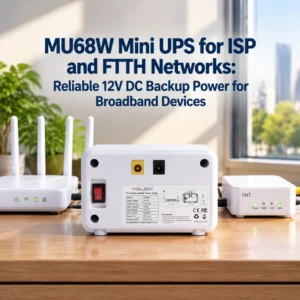
MYlion models such as MU26 Mini UPS, MU48 Mini UPS, and MU68 Mini UPS provide reliable runtime depending on specific capacity requirements, keeping VoIP services active during neighborhood outages.
Scenario B: High-Power Router, Gateway, or Dual-Device Backup
For customers with advanced WiFi 6/7 routers or setups requiring both the ONT and a separate router to be backed up simultaneously, the load increases significantly.
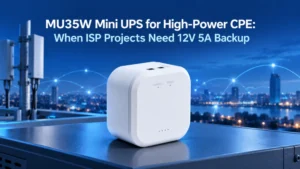
MYlion 12V 5A models such as MU35 Mini UPS provide stronger load support and greater thermal margin, ensuring the entire home network edge remains powered.
Scenario C: Higher-Voltage Telecom Applications
Some telecom demarcation equipment or fixed wireless radios operate on 24V or 48V DC rather than standard 12V.
For these specialized installations, MYlion provides DC backup solutions such as the MU248 Mini UPS series, which can be evaluated based on specific project voltage and power budget needs.
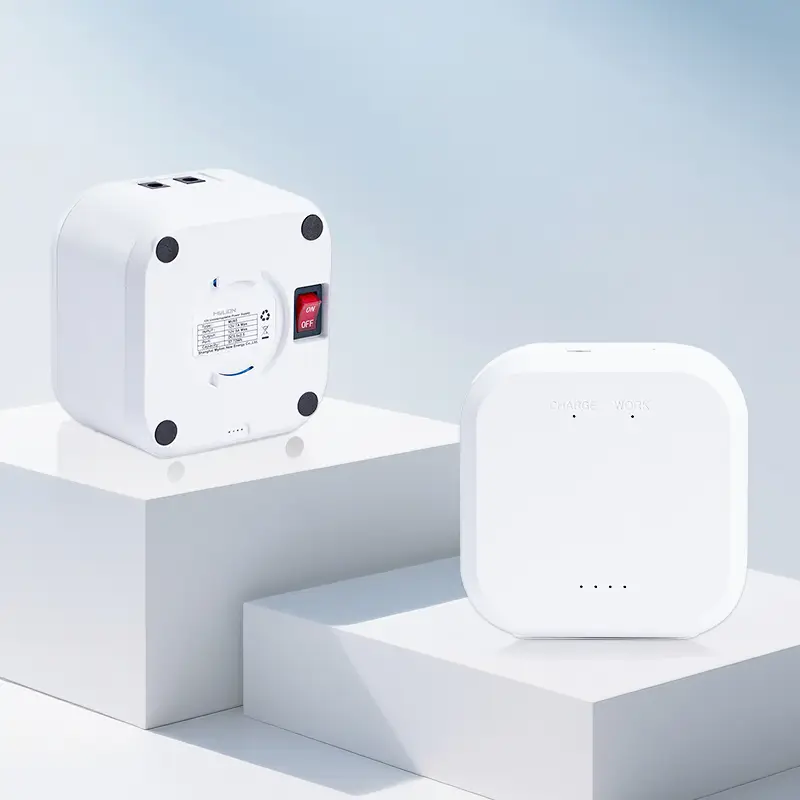
12V 5A MU35 Mini UPS
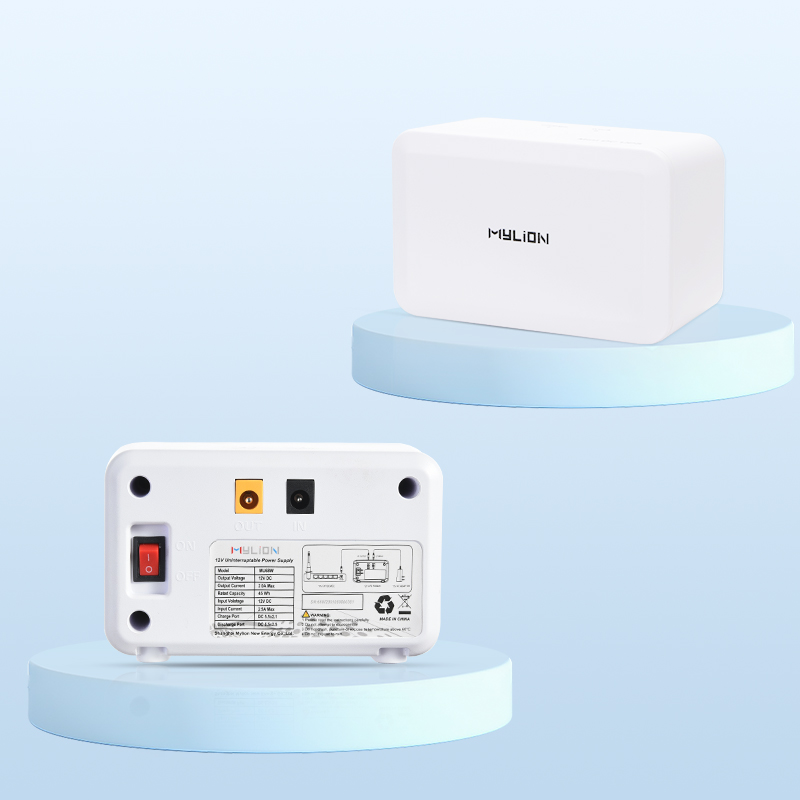
12V 3A MU68 Mini UPS
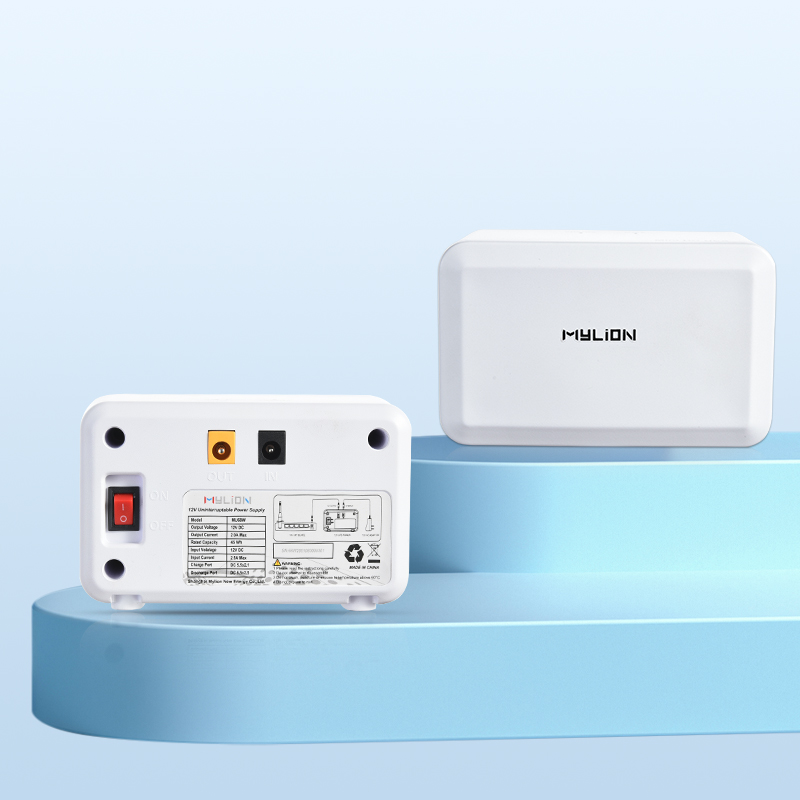
12V 5A MU48 Mini UPS
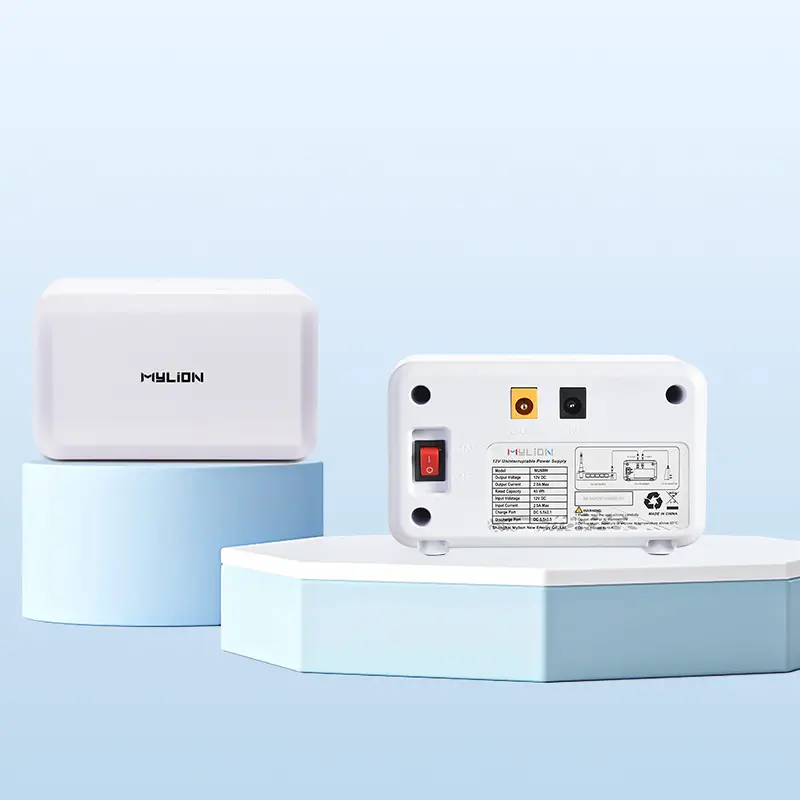
12V 3A MU26 Mini UPS
How MYLION Supports ISP Backup Projects
and network device applications. We believe backup reliability comes from correct matching, stable design, and consistent quality control, not battery size alone.
The MYlion Advantage for ISPs includes:
Multiple voltage regulation:Support for 5V, 9V, 12V, 24V, and 48V DC output options to match the requirements of any ISP project.
- LiFePO4 Battery Technology: Lithium Iron Phosphate chemistry ensures thermal stability and a lifecycle that matches or exceeds the CPE depreciation window.
- ISP Bulk Deployment:MYlion has the capability for large-scale deployment and features a compact design that is suitable for ISP bulk deployment.
- Stable Supply Chain: Ensures consistent quality from pilot phase to full regional deployment.
- Industrial-Grade PCB Design: Robust power path and switchover logic that prevents device resets during grid failure.
Our approach is to recommend Mini UPS based on voltage, current, load, backup time and deployment goals, helping customers select a solution that better meets their actual usage needs. Additionally, MYlion supports OEM/ODM customization, enabling the design of professional Mini UPS solutions tailored to specific project requirements.

FAQ
Q1: Why is battery capacity not enough when choosing a Mini UPS for ISP use?
Because backup performance depends on voltage matching, output current, real load, switchover design, and deployment suitability, not battery size alone.
Q2: What is the main goal of a Mini UPS in ISP networks?
The goal is to maintain service continuity during power outage, reduce subscriber complaints, and lower operational support pressure.
Q3:What should ISPs check before selecting a Mini UPS?
They should check voltage, current, actual power consumption, backup time target, connector compatibility, deployment scenario, and supplier consistency.
Q4: Can one Mini UPS support both ONT and router?
Yes, if the total load is within the output capability and the runtime target remains realistic. Dual-device backup requires proper load evaluation.
Q5: What type of Mini UPS is usually suitable for ONT backup?
In many cases, a 12V 3A Mini UPS is suitable for standard ONT or ONU backup, depending on actual current demand and runtime expectation.
Conclusion
For ISP networks, choosing a Mini UPS is not only about battery capacity. A reliable backup solution must match the actual device, load, backup time, and deployment environment. It should help maintain subscriber connectivity, reduce service disruption, and support more stable project rollout.
 English
  简体中文
简体中文  Deutsch
  Français
  Italiano
  Español