
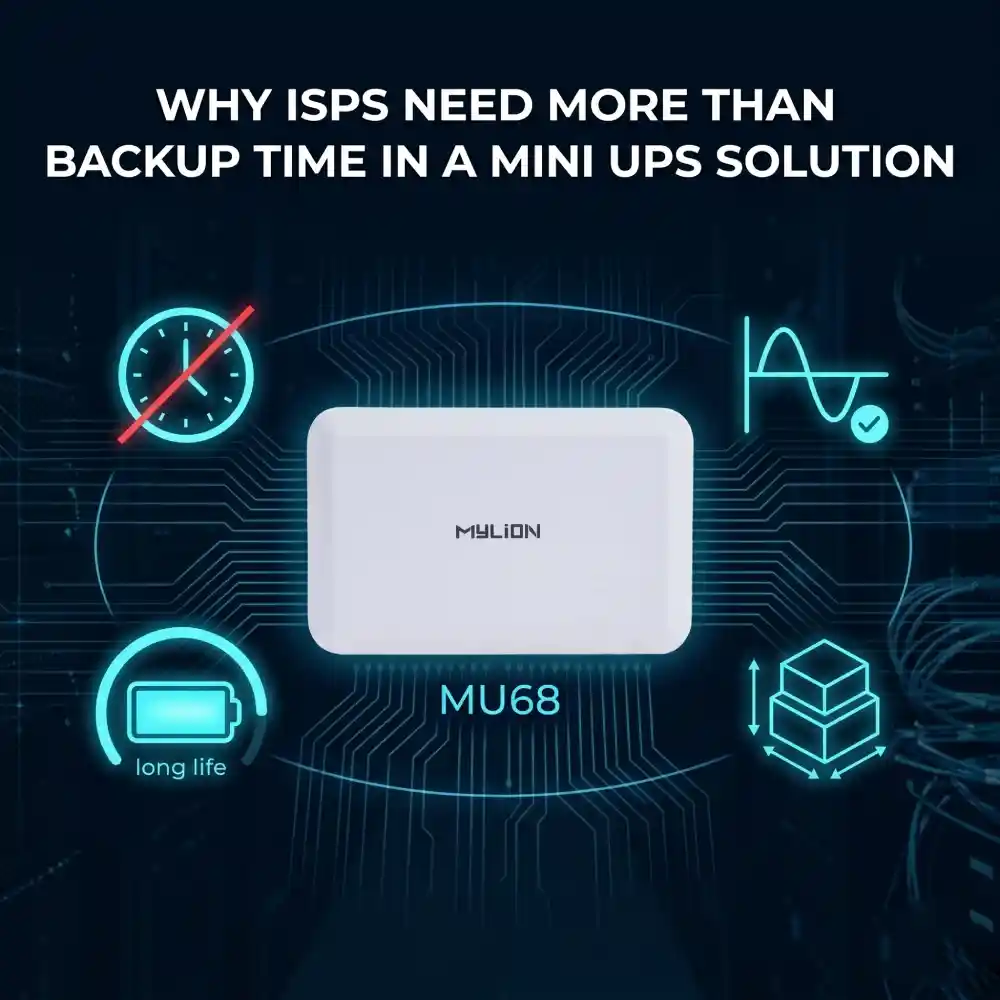
Most ISPs evaluate a mini UPS solution by one metric: backup time. Longer runtime appears better. But in real FTTH, outdoor, or CPE deployments, backup time alone is a misleading metric.
Space is limited. Maintenance costs dominate. Lead-acid batteries fail quickly. ISPs need a mini UPS that fits physically, operates safely, and minimizes truck rolls. This article explains why modern ISPs need to look beyond backup time and how the Mylion Mini UPS series solves the real pain points of network operators.
The Trap: Why “More Backup Time” Isn’t Always Better
Traditional UPS systems designed for office computers are bulky, heavy, and often use lead-acid batteries. To get longer backup time, you need larger battery banks—which means more space, more weight, and more cost.
For an ISP, space is already tight. A typical FTTH cabinet or outdoor node may have only a few liters of internal volume. A standard 12V 7Ah lead-acid UPS can take up half of that. Multiply by hundreds or thousands of sites, and the problem explodes.
Worse, lead-acid batteries degrade quickly in warm environments (common in outdoor or semi-outdoor cabinets). They need replacement every 1–2 years, driving up truck rolls and operational expenses. Learn more about lead-acid battery disadvantages.
The real question isn’t “How long can this UPS run?” but “Does this UPS fit my network’s operational reality?”
1. Smart Voltage Regulation & Clean Output
Network equipment is sensitive to voltage dips, spikes, and waveform distortion. A mini UPS must deliver stable, clean power—not just during outages, but also when switching between line and battery modes.
Mylion models like MU26 Mini UPS and MU68 Mini UPS provide pure sine wave or high-efficiency modified sine wave output, fully compatible with ONUs, ONTs, routers, and small switches. The switchover time is fast enough (0ms) to prevent CPE reboots or packet loss.
2. Fast Recovery & Auto-Reboot After Power Returns
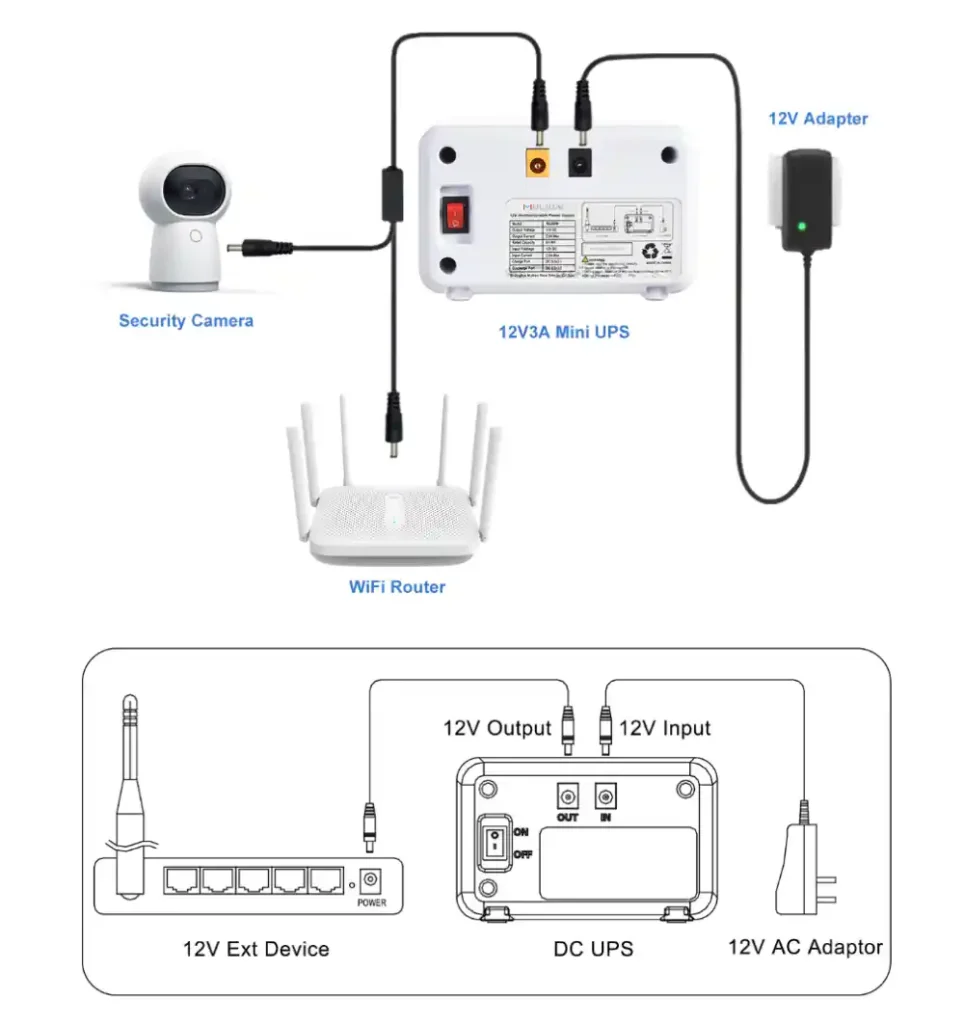
After an outage ends, the UPS should automatically resume charging and pass line power through. No manual reset. No on-site visit. This is critical for maintaining SLA commitments.
All Mylion Mini UPS units are designed for fully automatic operation. Once mains power is restored, they seamlessly return to normal mode, and any connected equipment reboots automatically if needed.
3. Li-ion or LiFePO₄ Batteries: Long Life, Safe, and Maintenance-Free
LiFePO₄ (LFP) reaches 2000+ cycles—3 to 5 times longer than lead-acid. A mini UPS Built-in BMS: Protects against overcharge, over-discharge, short circuit, and over-temperature.
Mylion ML1202AC and MU248 DC UPS use LiFePO₄ cells, delivering exceptional safety and longevity. Other models (like MU35, MU68, MUC85) use high-quality Li-ion cells, balancing energy density with cost. For ISPs, this means fewer battery replacements per site.
4. Compact & Easy to Deploy in Tight Spaces
A mini UPS must fit where it’s needed: inside narrow NAN boxes, on DIN rails, behind customer routers, or in outdoor enclosures.
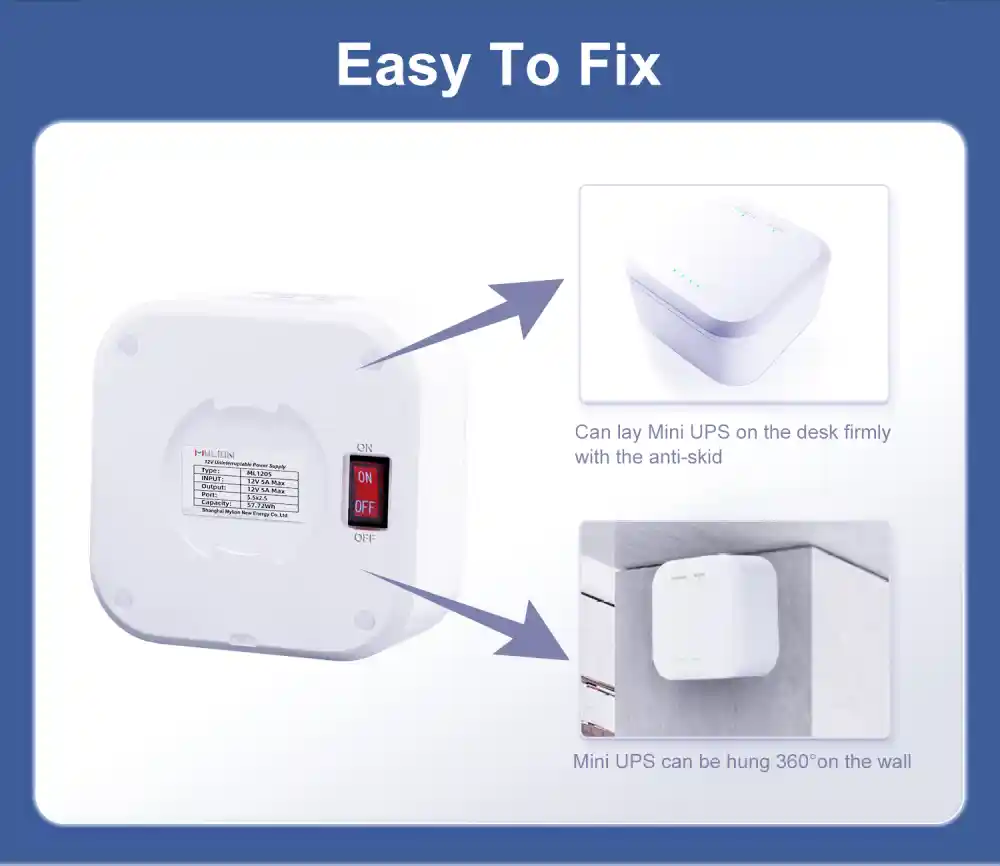
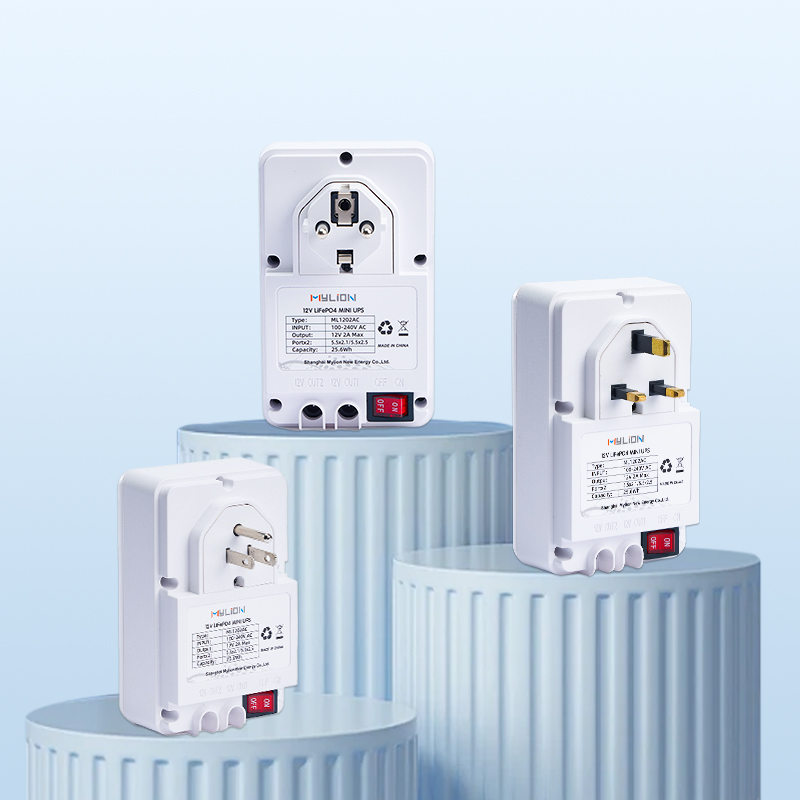
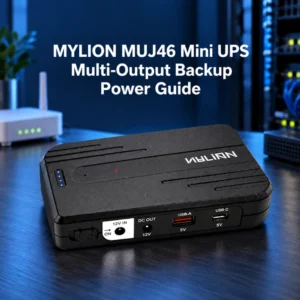
Mylion designs are famously compact. MU26 and MU68 are palm-sized yet powerful. MU35 Mini UPS (12V) is shaped to slide into shallow cabinets. ML1202AC offers an AC output in a flat package. All models support wall-mount or simple tie-wrap installation.
5. Wide Temperature Tolerance & Rugged Reliability
Telecom gear lives in harsh places: hot attics, cold garages, dusty utility rooms. A mini UPS must survive -20°C to 60°C without derating or safety risks.
Mylion Mini UPS units are built with industrial-grade components. The LiFePO₄-based models (MU248 DC UPS) are especially tolerant of high temperatures, while Li-ion models perform well down to freezing.
Why the Mylion Mini UPS Series Is a Better Choice for ISPs
Mylion designs its Mini UPS products specifically for communication equipment, not generic office IT. The series covers nearly every ISP use case:
- Pure sine wave or high-efficiency modified sine wave– MU26 & MU68 are ideal for ONT/ONU/router backup.
- DC 12V / 24V / 48V or AC output– MU35 (12V), MU248 (24V/48V), and ML1202AC (AC output) cover everything from single CPE to multi-device nodes.
- All models use lithium batteries – ML1202AC & MU248 use LiFePO₄ for longest life; others use premium Li-ion cells with BMS.
- USB-C on select models – The MUC85 Mini UPS device features a USB-C PD port. It is suitable for modern network devices that use Type-C power supply.
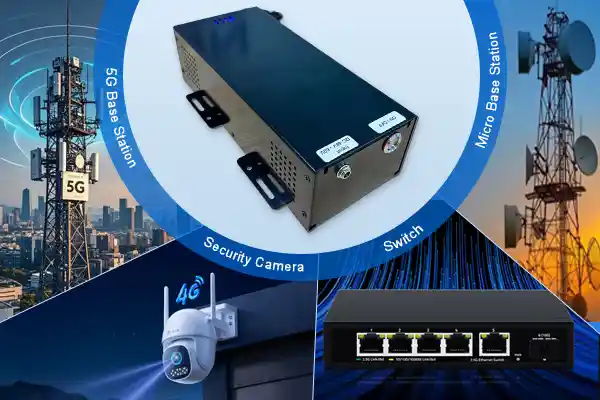
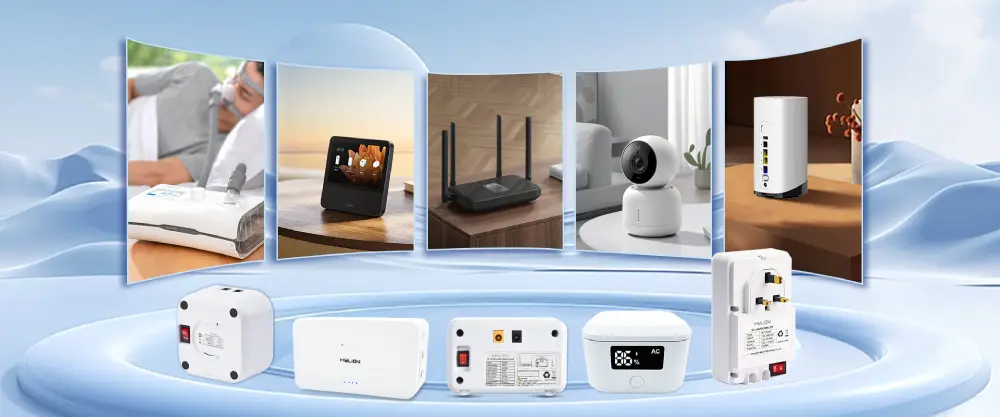
Typical applications include FTTH hallway gateways, outdoor micro base stations, surveillance cameras, and combined network switch + router setups.
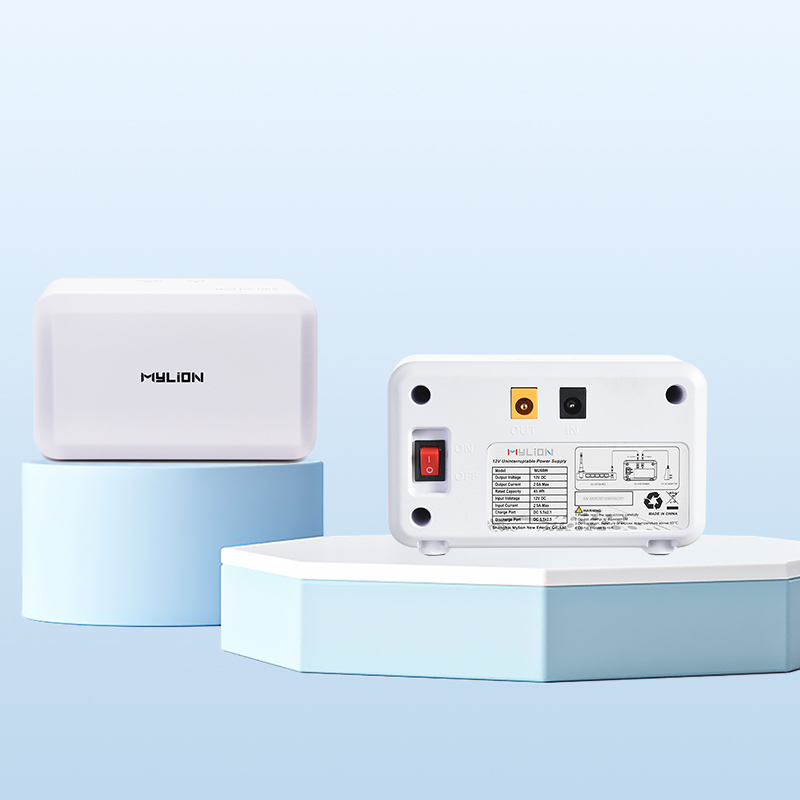

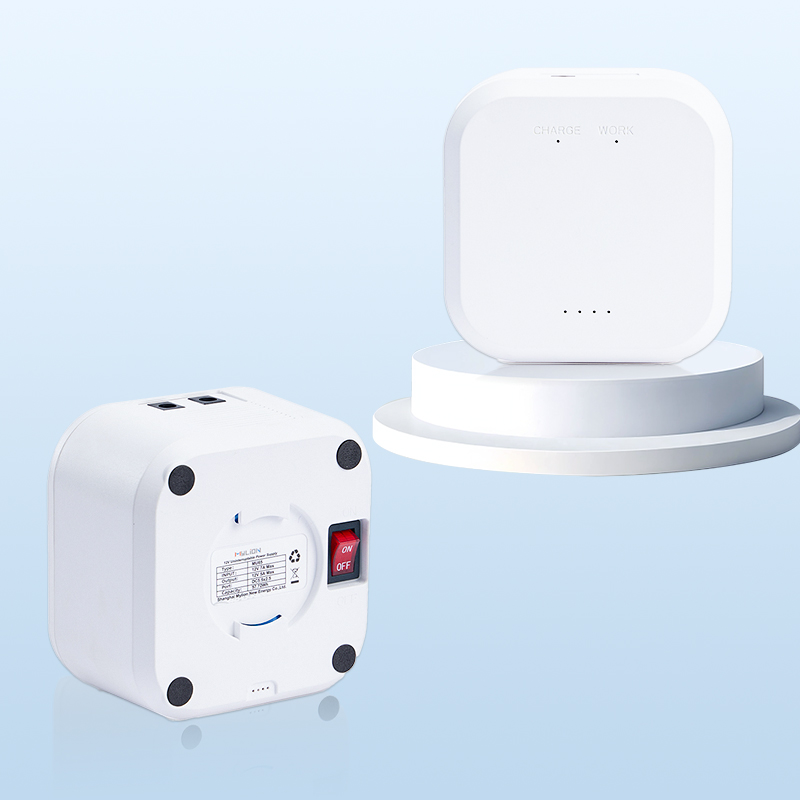
MU26 Mini UPS
MU48 Mini UPS
MU35 Mini UPS
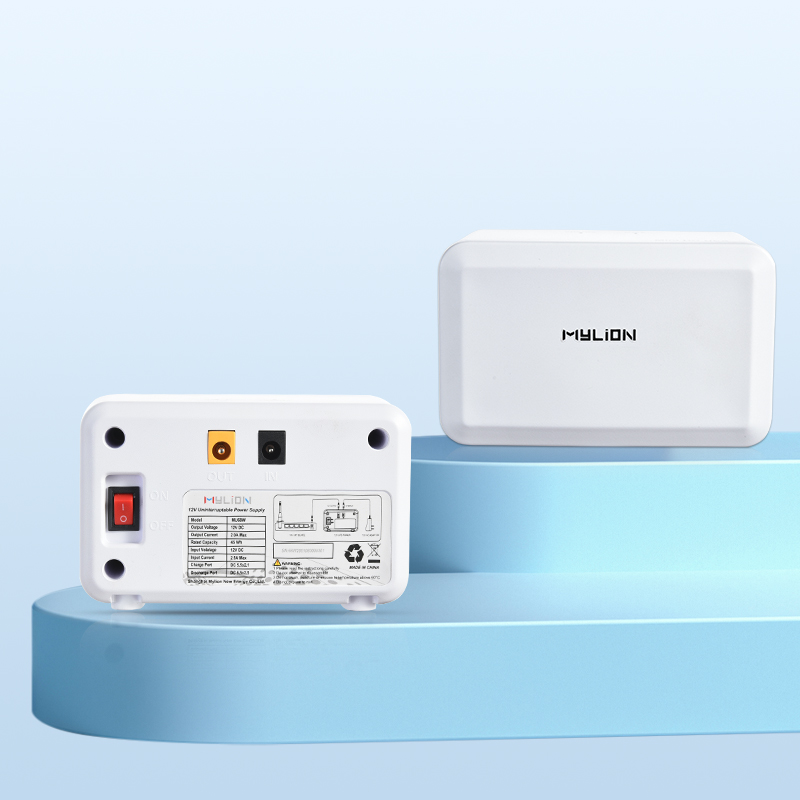
MU68 Mini UPS
LiFePO4 Mini UPS
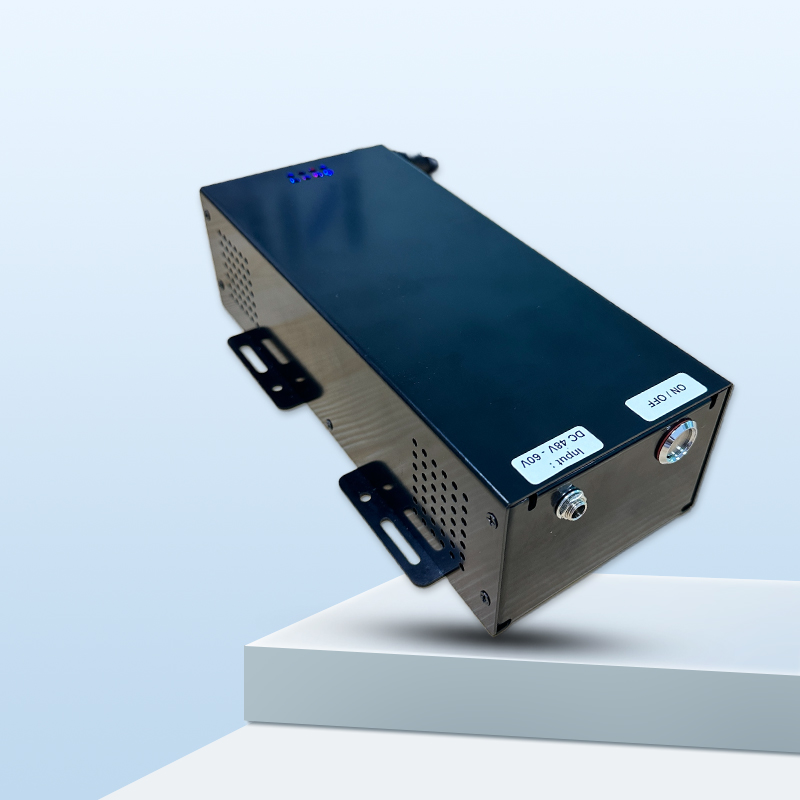
MU248 Mini UPS
Typical Applications—Mini UPS Solution
FTTH hallway gateways
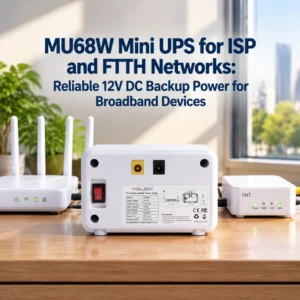
In multi-dwelling unit (MDU) hallways, space is extremely limited. Mylion Mini UPS models like MU26 and MU68 fit into narrow distribution boxes, providing backup power for ONTs and routers during brief grid flickers, preventing customer-reported outages.
Outdoor micro base stations
Small cells and micro base stations are often deployed in weatherproof enclosures without air conditioning. Mylion LiFePO₄-based models (MU248, ML1202AC) operate reliably from -20°C to 60°C, with sealed, maintenance-free batteries that withstand heat and humidity.
Surveillance cameras
IP cameras connected to ISP networks require stable power for continuous recording. Mylion MUC85 (with USB-C) or MU35 (12V DC) can be co-located with PoE injectors or directly power cameras, ensuring no video gaps during short outages.
Combined network switch + router setups
Small branch offices or business CPE often include both a router and a 5-port/8-port switch. Mylion MU248 (24V/48V DC) or ML1202AC (AC output) powers both devices from a single compact UPS, eliminating the need for two backup units.
How to Choose the Right Mini UPS for Your ISP Network: A 4-Step Method
- Identify your load– Voltage (12V/24V/48V/AC), peak power, number of devices.
- Define your outage scenario– Flickers (<5 minutes) or extended outages (30–120 min)? Don’t overspecify runtime.
- Measure your space– Desktop, DIN rail, tie-wrap? Measure internal height/depth.
- Prioritize lithium + BMS– Check cycle life and safety certifications. Choose LiFePO₄ for hot or hard-to-reach sites.
Before finalizing your UPS selection, it’s essential to match backup capacity to your device’s actual power draw. Learn how to calculate UPS runtime for your network load to estimate exactly how many minutes (or hours) you need for your ONT, router, and switch combination.
FAQ
Q1: How much backup time does a Mini UPS need for typical ISP use?
Q2: Is LiFePO₄ really safer than other lithium batteries?
Q3: Does Mylion Mini UPS support USB-C devices? Which model?
Q4: Can I use a Mini UPS in an outdoor weatherproof box?
Q5: Do I need to modify wiring when replacing a lead-acid UPS with a Mylion lithium Mini UPS?
Q6: How many years does a lithium Mini UPS last?
Conclusion
For ISPs, a mini UPS is not a commodity battery box. It’s a network reliability tool that must fit physically, operate safely, and reduce—not increase—maintenance costs.
Backup time is only one variable. What truly matters is compact size, clean output, lithium-based longevity, and smart features like USB-C for easy field servicing.
The Mylion Mini UPS Solution—including MU26, MU68, MU35, MU248, ML1202AC, and MUC85—delivers exactly what ISPs need: LiFePO₄ safety, maintenance-free operation, and form factors that work where traditional UPS fail.
 English
  简体中文
简体中文  Deutsch
  Français
  Italiano
  Español